Kirjojen hintavertailu – 12 903 725 kirjaa ja 27 kauppaa

Kirjailija

Richard Thompson Ford

Kirjat ja teokset yhdessä paikassa: 5 kirjaa, julkaisuja vuosilta 2009–2022, suosituimpiin kuuluu The Race Card. Vertaile teosten hintoja ja tarkista saatavuus suomalaisista kirjakaupoista.

5 kirjaa

Kirjojen julkaisuvuodet: 2009–2022.

Liberties Journal of Culture and Politics

Liberties Journal of Culture and Politics

Mamtimin Ala; Richard Thompson Ford; Jaroslaw Anders; Sean Wilentz; Ange Mlinko; Benjamin Moser; Jonathan Zimmerman; Leonard Cohen; Cass R. Sunstein; Mark Lilla; Helen Vendler; Holly Brewer; Shaul Tchernikhovsky; David Thomson

Liberties Journal Foundation
2021
pokkari
“A Meteor of Intelligent Substance”“Something was Missing in our Culture, and Here It Is”"Liberties is THE place to be. Change starts in the mind." Liberties, a journal of Culture and Politics, is essential reading for those engaged in the cultural and political issues and causes of our time. Liberties features serious, independent, stylish, and controversial essays by significant writers and leaders throughout the world; new poetry; and, introduces the next generation of writers and voices to inspire and impact the intellectual and creative lifeblood of today’s culture and politics. This issue of Liberties includes: new work from Nobel Prize winner Mario Vargas Llosa; drawings by Leonard Cohen published for the first time; Mamtimin Ala’s essay on China’s genocide of the Uyghurs; Jaroslaw Anders’ analysis of the crisis in Belarus; Cass R. Sunstein on liberalism inebriated; Richard Thompson Ford on what slavery does and does not explain; Sean Wilentz on the historical strategy of the Republican Party; Benjamin Moser writes about translation as a form of tourism in literary life; Jonathan Zimmerman on the scandal of college teaching; Mark Lilla on cults of innocence and their victims; Helen Vendler on Adrienne Rich; Holly Brewer on race and enlightenment; David Thomson asks, What shall we watch now?; Celeste Marcus (managing editor) on the legend of Alice Neel; Leon Wieseltier (editor) on Zionism’s beautiful stubbornness of survival; and new poetry from Ange Mlinko and Shaul Tchernikhovsky, translated by Robert Alter.
Universal Rights Down to Earth

Universal Rights Down to Earth

Richard Thompson Ford

WW Norton Co
2013
nidottu
The idea of universal rights—rights shared by all citizens, regardless of nationality, creed, wealth, or geography—has a powerful grip on the way many people feel about justice and global politics. No one should be subjected to torture or disappearance, to starvation or sex trafficking, to economic exploitation or biased treatment under the law. But when it comes to actually enforcing these rights, the results rarely resemble the ideal. In Universal Rights Down to Earth, acclaimed author and legal expert Richard Thompson Ford reveals how attempts to apply “universal” human rights principles to specific cultures can hinder humanitarian causes and sometimes even worsen conditions for citizens. In certain regions, human rights ideals clash with the limits of institutional capabilities or civic culture; elsewhere, rights enforcement leads to further human rights violations. And in some countries, offending regimes use human rights commitments to distract attention from or justify their other abuses. Ford explores how our haste to identify every ideal as a universal right devalues rights as a whole, so that even the most important protections—such as that against torture—become negotiable. In clear, persuasive prose, Ford explores cases ranging from food distribution to the poor in India to sex work in Japan, illustrating how a rights-based approach to these problems often impedes more effective measures—the pragmatic politics of cost weighing, compromise, and collective action. The bad news is that improving lives worldwide isn’t as easy as making a declaration. But the good news, as Universal Rights Down to Earth powerfully demonstrates, is that if we are clear-eyed and culturally aware, it can be done.

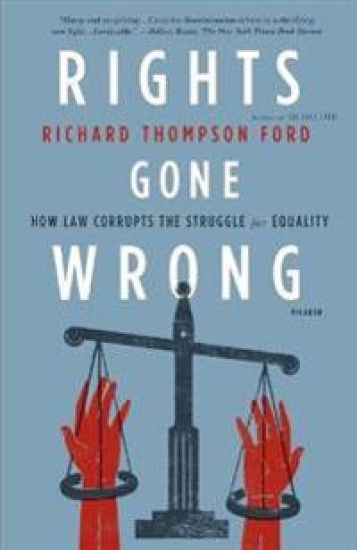
Rights Gone Wrong

Rights Gone Wrong

Richard Thompson Ford

St. Martins Press-3PL
2012
pokkari
A "New York Times Book Review" Notable Book Since the 1960s, ideas developed during the civil rights movement have been astonishingly successful in the fight against overt discrimination. But can they combat the whole spectrum of social injustice---including conditions that aren't directly caused by bigotry? In "Rights Gone Wrong," Richard Thompson Ford argues that extremists on both sides of the political divide have hijacked civil rights for personal advantage, diverting our attention from serious social injustices. Is equality really served by endless litigating and legislating against every grievance or slight? Brilliantly argued, shrewd, and lively, "Rights Gone Wrong" offers "a crisp analysis of the limits of our civil rights laws and a prescription for how to move beyond them" ("Kirkus Reviews").
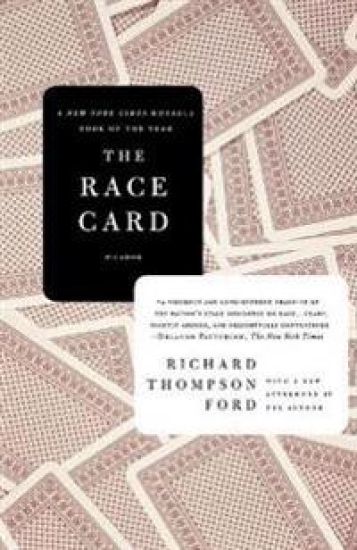
The Race Card

The Race Card

Richard Thompson Ford

Picador USA
2009
pokkari
A New York Times Notable Book of the YearWhat do hurricane Katrina victims, millionaire rappers buying vintage champagne, and Ivy League professors waiting for taxis have in common? All have claimed to be victims of racism. But these days almost no one openly defends bigoted motives, so either a lot of people are lying about their true beliefs, or a lot of people are jumping to unwarranted conclusions--or just playing the race card. Daring, entertaining, and incisive, The Race Card brings sophisticated legal analysis, eye-popping anecdotes, and plain old common sense to this heated topic.