Kirjojen hintavertailu – 12 859 818 kirjaa ja 27 kauppaa
Kirjailija
Rigoberto González
Kirjat ja teokset yhdessä paikassa: 18 kirjaa, julkaisuja vuosilta 1999–2024, suosituimpiin kuuluu Writing the Self-Elegy. Vertaile teosten hintoja ja tarkista saatavuus suomalaisista kirjakaupoista.
Teresa Leo; Jennifer McCauley; John Chavez; Kasey Jueds; Catherine Kyle; Adam Crittenden; Rigoberto Gonzalez; Kyle McCord; Jane Wong; Naomi Ortiz; Denise Leto; Carol Berg; Kristy Bowen; Floydd Michael Elliot; Jehanne Dubrow; Carl Phillips; Bruce Bond; Kevin Prufer; Rusty Morrison; Sheila Black; Lauren Berry; Anne Kaier; TC Tolbert; Raymond Luczak; Stephanie Heit; Juliet Cook; Tanaya Winder
An innovative roadmap to facing our past and present selves Honest, aching, and intimate, self-elegies are unique poems focusing on loss rather than death, mourning versions of the self that are forgotten or that never existed. Within their lyrical frame, multiple selves can coexist—wise and nai¨ve, angry and resigned—along with multiple timelines, each possible path stemming from one small choice that both creates new selves and negates potential selves. Giving voice to pain while complicating personal truths, self-elegies are an ideal poetic form for our time, compelling us to question our close-minded certainties, heal divides, and rethink our relation to others. In Writing the Self-Elegy, poet Kara Dorris introduces us to this prismatic tradition and its potential to forge new worlds. The self-elegies she includes in this anthology mix autobiography and poetics, blending craft with race, gender, sexuality, ability and disability, and place—all of the private and public elements that build individual and social identity. These poems reflect our complicated present while connecting us to our past, acting as lenses for understanding, and defining the self while facilitating reinvention. The twenty-eight poets included in this volume each practice self-elegy differently, realizing the full range of the form. In addition to a short essay that encapsulates the core value of the genre and its structural power, each poet’s contribution concludes with writing prompts that will be an inspiration inside the classroom and out. This is an anthology readers will keep close and share, exemplifying a style of writing that is as playful as it is interrogative and that restores the self in its confrontation with grief.
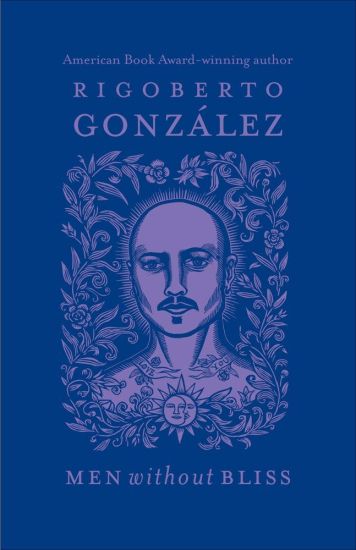
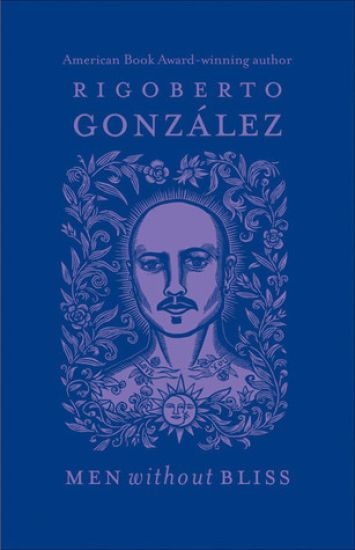
In cities and fields, Mexican American men are leading lives of quiet desperation. In this collection of thirteen startling stories, Rigoberto GonzÁlez weaves complex portraits of Latinos leading ordinary, practically invisible lives while navigating the dark waters of suppressed emotion—true-to-life characters who face emotional hurt, socioeconomic injustice, indignities in the workplace, or sexual repression. But because their culture expects men to symbolize power and control, they dare not risk succumbing to displays of weakness. GonzÁlez shines an empathetic light into the shadows of Mexican culture to portray characters who suffer in silence—men both straight and gay who must come to terms with their grief, loneliness, and pain. By exploring the private moments of men trapped inside unforgiving stereotypes, he critiques long-held assumptions of Latino behavior. He shows us individuals who must break out of various closets to become fully realized adults, and makes us feel the emotional pain of men in a culture that recognizes only the pain and hardship of women. Men without Bliss conveys the silent suffering of all men, not just Latinos. It will open readers’ eyes to unexpected facets of Latino culture, and perhaps of their own lives.
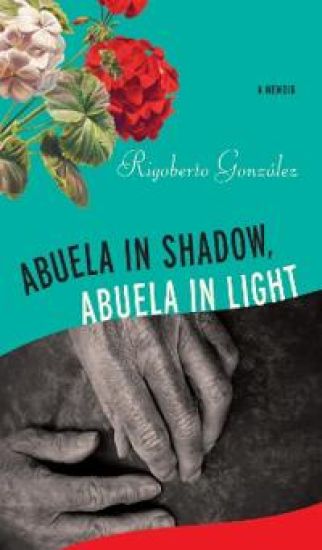
Standing over two graves, Rigoberto GonzÁlez studies the names “Ramon” and “MarÍa” under the family name “GonzÁlez.” “She was MarÍa Carrillo, not MarÍa GonzÁlez,” he thinks. His grandmother is missing. So begins GonzÁlez’s memoir, a journey to recover a more complete picture of his grandmother, who raised him following his mother’s death. GonzÁlez travels to his abuela’s birthplace, MichoacÁn, Mexico, and along the way recovers his memories of a past he had tried to leave behind. A complex woman who was forced to take on maternal roles and suffered years of abuse, his grandmother simultaneously resisted traditional gender roles; she was kind yet unaffectionate, and she kept many secrets in a crowded household with little personal space. Sifting through family histories and anecdotes, GonzÁlez pieces together the puzzling life story of a woman who was present in her grandson’s life yet absent during his emotional journey as a young man discovering his sexuality and planning his escape from a toxic and abusive environment. From fragments of memory and story, GonzÁlez ultimately creates a portrait of an unconventional yet memorable grandmother, a hard-working Indigenous Mexican woman who remained an enigma while she was alive. A grandmother, he shows, is more than what her descendants remember; she is also all that has been forgotten or never known. Through this candid exploration of his own family, GonzÁlez explores how we learn to remember and honor those we’ve lost.
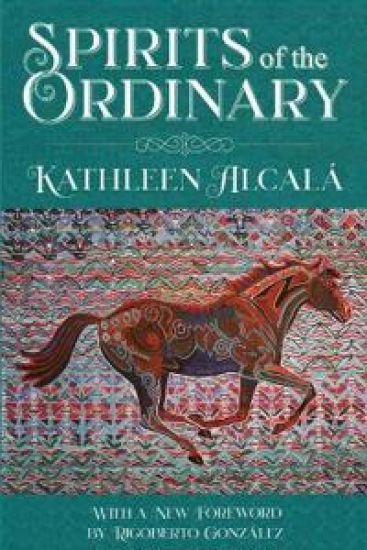
Set in northern Mexico in the 1870s, Spirits of the Ordinary tells interweaving stories centered on Zacar as Carabajal, who leaves his comfortable city home to prospect for gold in the wilderness while his abandoned wife, Estela, struggles to build a new life. Visions, dreams, and portents are part of the everyday world of Spirits of the Ordinary. Estela's siblings, the enigmatic and supernaturally beautiful twins Manzana and Membrillo, discover their gift for water divining. Zacar as's mother, Mariana, has been silent all her adult life after experiencing an apocalyptic vision of angels in her teens. His father, Julio, is an apothecary devoted to Torah study and Jewish mysticism, practicing his religion in secret as generations before him have done. Meanwhile, Zacar as's wanderings turn into a spiritual quest that takes him to the ancient cliff dwellings known as Casas Grandes. Presenting a tapestry of fascinating lives as well as the story of a reluctant mystic in a spectacular desert landscape, Spirits of the Ordinary demonstrates that, as Alcal writes in her introduction, "magic and holiness are all around us."
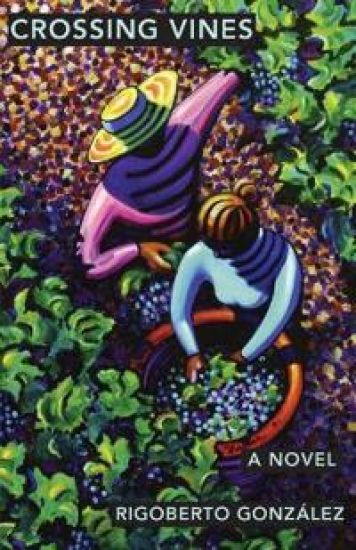
In the grim reality of Southern California's grape fields, even the sun is a dark spot. For the migrant grape pickers in Crossing Vines, Rigoberto González's novel that spans a single workday, the sun is a constant, malevolent force. The characters endure back-breaking, monotonous work as they succumb to the whims of their corrupt bosses. Each minute the sun rises higher in the sky is an eternity. The textures, smells, sights, and emotions of their daily existences engulf the lives of the Mexican laborers. Scarce drinking water, sweltering heat, splintered fingers, contempt for the job, and violence toward one another compose their unflinchingly dark world. In González's brutally honest story, the characters are compelled forward mercilessly by the rising crisis that envelops their interconnected stories. This uncompromisingly thought-provoking tale gives names and faces to the anonymous agricultural laborers, whose lives are like the tangled vines of the fruits of their labor. Not since Tomás Rivera's . . . And the Earth Did Not Devour Him has a novel converged on the lives of migrant workers so profoundly. Like Rivera, González employs nostalgia for Mexican tradition as he looks at the family feuds, economic injustices, and racism prevalent in the migrant worker experience.
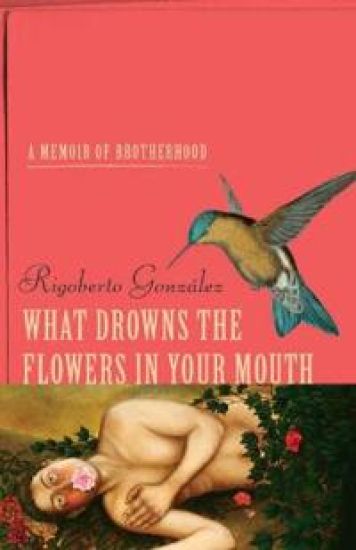
Burdened by poverty, illiteracy, and vulnerability as Mexican immigrants to California's Coachella Valley, three generations of González men turn to vices or withdraw into depression. As brothers Rigoberto and Alex grow to manhood, they are haunted by the traumas of their mother's early death, their lonely youth, their father's desertion, and their grandfather's invective. Rigoberto's success in escaping—first to college and then by becoming a writer—is blighted by his struggles with alcohol and abusive relationships, while Alex contends with difficult family relations, his own rocky marriage, and fatherhood. Descending into a dark emotional space that compromises their mental and physical health, the brothers eventually find hope in aiding each other. This is an honest and revealing window into the complexities of Latino masculinity, the private lives of men, and the ways they build strength under the weight of grief, loss, and despair.
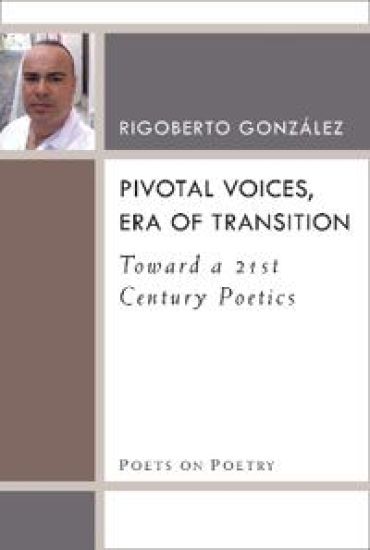
Pivotal Voices, Era of Transition gathers Rigoberto González’s most important essays and book reviews, many of which consider the work of emerging poets whose identities and political positions are transforming what readers expect from contemporary poetry. A number of these voices represent intersectional communities, such as queer writers of color like Natalie Díaz, Danez Smith, Ocean Vuong, and Eduardo C. Corral, and many writers, such as Carmen Giménez Smith and David Tomás Martínez, have deep connections to their Latino communities. Collectively, these writers are enriching American poetry to reflect a more diverse, panoramic, and socially conscious literary landscape. Also featured are essays on the poets’ literary ancestors—including Juan Felipe Herrera, Alurista, and Francisco X. Alarcón—and speeches that address the need to leverage poetry as agency. This book fills a glaring gap in existing poetry scholarship by focusing exclusively on writers of color, and particularly on Latino poetry. González makes important observations about the relevance, urgency, and exquisite craft of the work coming from writers who represent marginalized communities. His insightful connections between the Latino, African American, Asian American, and Native American literatures persuasively position them as a collective movement critiquing, challenging, and reorienting the direction of American poetry with their nuanced and politicized verse. González’s inclusive vision covers a wide landscape of writers, opening literary doors for sexual and ethnic minorities.
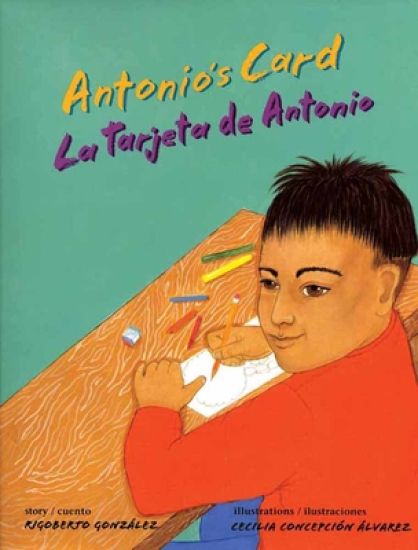
Bilingual English/Spanish. A tender story about a boy struggling to express his love for his mother and her partner in a nontraditional family. Antonio loves words, because words have the power to express feelings like love, pride, or hurt. Mother's Day is coming soon, and Antonio searches for the words to express his love for his mother and her partner, Leslie. But he's not sure what to do when his classmates make fun of Leslie, an artist, who towers over everyone and wears paint-splattered overalls. As Mother's Day approaches, Antonio must choose whether - or how - to express his connection to both of the special women in his life. Rigoberto Gonz lez's bilingual story about a nontraditional family resonates with all children who have been faced with speaking up for themselves or for the people they love. Cecilia Concepci n lvarez's paintings bring the tale to life in tender, richly hued detail.
Unpeopled Eden opens in MictlAn, the region of the dead in Aztec mythology, inviting us down into a world where "the men are never coming home" and "rows of ghosts come forth to sing." Haunted by border crossers and forgotten deportees, lost brothers and sons, GonzAlez unearths the beautiful and musical amidst the grotesque. These poems are prayer and memorial "for those whose / patron saints are longing and despair."
In the Mexican Catholic tradition, retablos are ornamental structures made of carved wood framing an oil painting of a devotional image, usually a patron saint. Acclaimed author and essayist Rigoberto Gonz lez commemorates the passion and the pain of these carvings in his new volume Red-Inked Retablos, a moving memoir of human experience and thought. This frank new collection masterfully combines accounts from Gonz lez's personal life with reflections on writers who have influenced him. The collection offers an in-depth meditation on the development of gay Chicano literature and the responsibilities of the Chicana/o writer. Widely acclaimed for giving a voice to the Chicano GLBT community, Gonz lez's writing spans a wide range of genres: poetry, fiction, nonfiction, and bilingual books for children and young adults. Introduced by Women's Studies professor Maythee Rojas, Retablos collects thirteen pieces that together provide a narrative of Gonz lez's life from his childhood through his career as a writer, critic, and mentor. In Red-Inked Retablos, Gonz lez continues to expand his oeuvre on mariposa (literally, "butterfly") memory, a genre he pioneered in which Chicano/a writers openly address non-traditional sexuality. For Gonz lez, mariposa memory is important testimony not only about reconfiguring personal identity in relation to masculinity, culture, and religion. It's also about highlighting values like education, shaping a sex-positive discourse, and exercising agency through a public voice. It's about making the queer experience a Chicano experience and the Chicano experience a queer one.
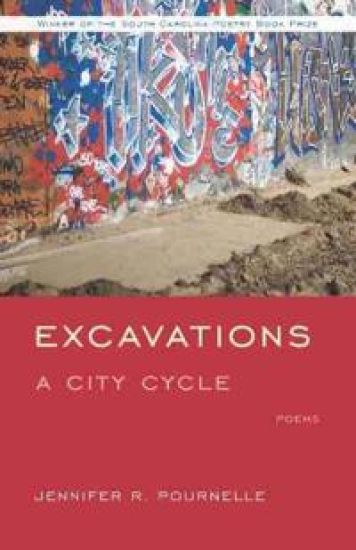
Selected by Rigoberto Gonzales as the winner of the South Carolina Poetry Book Prize, Excavations: A City Cycle is the first collection of poetry from Jennifer R. Pournelle. Set in different cities over fifteen years of peace and war, the collection explores the hidden similarities of these locations' seemingly different landscapes and cultures. She begins in Vienna with the destruction of Saint Michael's Square, then to a reunified Berlin, and from there to the Spanish influenced San Diego, ending in the midst of the religious conflicts of Baghdad. Through vivid explorations of place, Pournelle's narratives bring to the surface defining historical events from these sites and their host cultures as the poems reveal how events rooted in these locations ripple outward to affect the world beyond. A career soldier turned environmental anthropologist and archeologist, Pournelle is deeply attuned to visions of loss and destruction as well as the promise of rebirth and rediscovery. Her poems voice her individual experiences abroad as she sifts--literally and metaphorically--through layers of turbulent history and harsh present circumstances in search of some small promise of future recovery for all that has been lost.
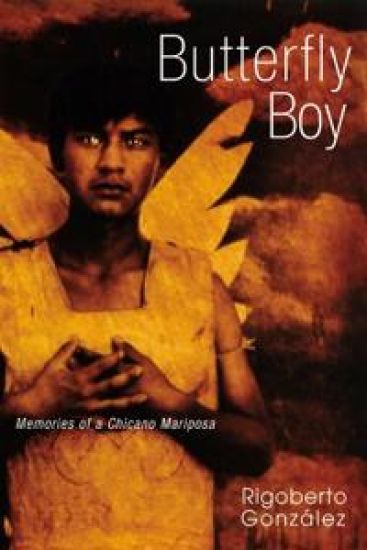
Heartbreaking, poetic, and intensely personal, Butterfly Boy is a unique coming out and coming-of-age story of a first-generation Chicano who trades one life for another, only to discover that history and memory are not exchangeable or forgettable. Growing up among poor migrant Mexican farmworkers, Rigoberto González also faces the pressure of coming-of-age as a gay man in a culture that prizes machismo.
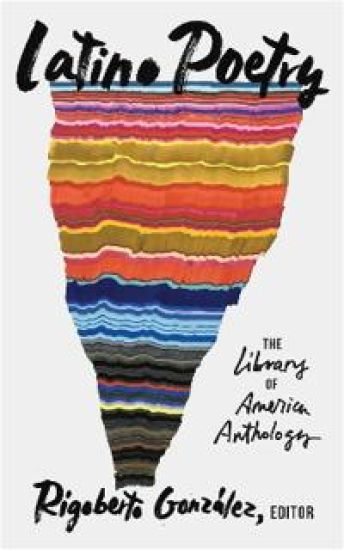
This landmark Latinx poetry collection offers "a wondrous journey through the passions, the ideas, and the diversity of a people redefining what it means to be American" (H ctor Tobar, Pulitzer Prize winner) Includes more than 180 poets, spanning from the 17th century to today, and presents those poems written in Spanish in the original and in English translation For nearly five centuries, the rich tapestry of Latino poetry has been woven from a wealth of languages and cultures--a "tremendous continental mixturao," in the words of the poet Tato Laviera. Now, in an unprecedented anthology edited by the poet and critic Rigoberto Gonz lez, Library of America brings together more than 180 poets whose poems bear witness to the beauty and power of this vital and expanding tradition: its profound engagement with pasts both mythical and historical, its reckoning with the complexities of language, land, and identity, and its vision of a nation enriched by the stories of immigrants, exiles, refugees, and their descendants. There are a brilliant array of contemporary voices here as well, spinning out the tapestry of Latino poetry in daring new directions. Taking the measure of this current renaissance, the anthology culminates with the most comprehensive survey of twenty-first century Latino poetry yet published. Featured poets include: Jos Mart Julia de BurgosSandra CisnerosPedro PietriJuan Felipe HerreraJaime ManriqueJavier ZamoraAracelis GirmayNatalie Diaz, andU. S. Poet Laureate Ada Lim n. This groundbreaking collection captures as never before the richness, diversity, and power of the Latino poetic imagination.
The capstone of a quarter-century career in poetry, To the Boy Who Was Night collects the poetry published by Rigoberto González since 1999, including selections from five previous books as well as new work. Mirroring González's personal trajectory, the arc of this work articulates the course of a life: these poems recall leaving a beloved homeland, confront masculinity and sexuality in new adulthood, imagine the earth devoid of human inhabitants, descend into the realm of ghosts, and return to arrive at Dispatches from the Broken World. This latest section ventures into foreign terrain -- an autobiographical confrontation with isolation and the aging body. His lyrical exploration, like the weather reports scrawled on ancient temple walls, will preserve this age-old message: "likely a poem, surely an epitaph." To the Boy Who Was Night bears the fruit of 25 years of poetry, González's boldest and most comprehensive volume yet.
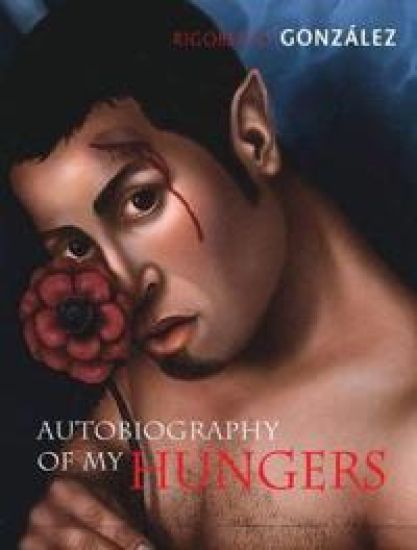
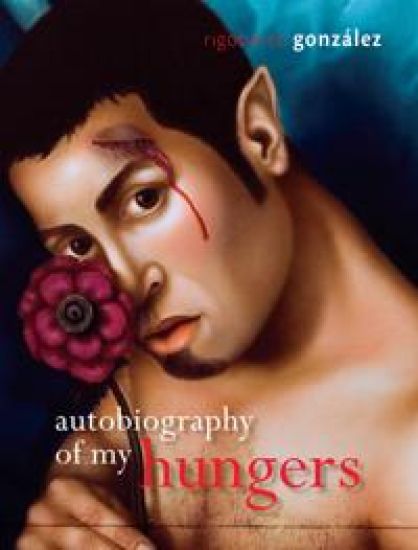
In the second of his trio of acclaimed memoirs, Rigoberto González looks at his past through a startling lens: hunger. A childhood of neglect, adolescent yearnings, and adult desire for a larger world, another lover, a different body—all are explored by González in a series of heartbreaking and poetic vignettes.
Rigoberto González, author of the critically acclaimed memoir Butterfly Boy: Memories of a Chicano Mariposa, takes a second piercing look at his past through a startling new lens: hunger. The need for sustenance originating in childhood poverty, the adolescent emotional need for solace and comfort, the adult desire for a larger world, another lover, a different body—all are explored by González in a series of heartbreaking and poetic vignettes. Each vignette is a defining moment of self-awareness, every moment an important step in a lifelong journey toward clarity, knowledge, and the nourishment that comes in various forms—even ""the smallest biggest joys"" help piece together a complex portrait of a gay man of colour who at last defines himself by what he learns, not by what he yearns for.
In cities and fields, Mexican American men are leading lives of quiet desperation. In this collection of thirteen startling stories, Rigoberto González weaves complex portraits of Latinos leading ordinary, practically invisible lives while navigating the dark waters of suppressed emotion - true-to-life characters who face emotional hurt, socioeconomic injustice, indignities in the workplace, or sexual repression. But because their culture expects men to symbolize power and control, they dare not risk succumbing to displays of weakness. González shines an empathetic light into the shadows of Mexican culture to portray characters who suffer in silence - men both straight and gay who must come to terms with their grief, loneliness, and pain. By exploring the private moments of men trapped inside unforgiving stereotypes, he critiques long-held assumptions of Latino behavior. He shows us individuals who must break out of various closets to become fully realized adults, and makes us feel the emotional pain of men in a culture that recognizes only the pain and hardship of women. Men without Bliss conveys the silent suffering of all men, not just Latinos. It will open readers' eyes to unexpected facets of Latino culture, and perhaps of their own lives.
An astonishing new talent, Rigoberto GonzÁlez writes with a clarity of the senses that pulls the reader into a marvelous and unfamiliar world. The sidewalk preacher, the umbrella salesman, the nurse on the graveyard shift, the professional mourner- all allow GonzÁlez a clandestine glimpse of their lives. Crackling with the dry electricity of the desert and flashing with the brilliant colors of Mexico, GonzÁlez's poems are rooted in the fertile soil beneath poverty's dust, the border's violence, and longing's desolation.