Kirjojen hintavertailu – 12 903 724 kirjaa ja 27 kauppaa

Kirjailija

Ritu Versha

Kirjat ja teokset yhdessä paikassa: 7 kirjaa, julkaisuja vuodelta 2024, suosituimpiin kuuluu Vergelijking van de werkzaamheid van Triclosan versus Chloorhexidine gecoate hechtdraad. Vertaile teosten hintoja ja tarkista saatavuus suomalaisista kirjakaupoista.

7 kirjaa

Vergleich der Wirksamkeit von mit Triclosan und Chlorhexidin beschichtetem Nahtmaterial
Unter den antimikrobiellen Mitteln haben Triclosan und Chlorhexidin ein breites antibakterielles Spektrum sowie hohe Biokompatibilit tsindizes. Triclosan, ein antibakteriell beschichtetes Polyglactin 910 (Vicryl Plus), und Chlorhexidin, ein antibakteriell beschichtetes Polyglactin 910(3-0) (PECTRYL CS, Dolphin-Faden), ersetzen die herk mmliche Methode der Antibiotikagabe bei Routineeingriffen im dritten Molaren und tragen dazu bei, den antimikrobiellen Nutzen lokal zu maximieren und die Antibiotikabelastung und die damit verbundenen Komplikationen systematisch zu reduzieren. Abgesehen von den vielversprechenden Studienergebnissen zu triclosanbeschichtetem Nahtmaterial hat Triclosan auch Nachteile, darunter die Bildung von toxischen Nebenprodukten (z. B. chlorierte Phenole, Methyltriclosan) und Antibiotikaresistenzen, was wahrscheinlich auf seine weite Verbreitung in Kosmetika und Seife zur ckzuf hren ist. Dar ber hinaus f rdert Triclosan die proteinvermittelte Bindung von Staphylokokken an Wirtszellen, was zu einer erh hten Anzahl von Naseninfektionen durch S. aureus-Besiedlung in Gegenwart von Triclosan f hrt. Aufgrund dieser Einschr nkungen bei der Verwendung von Triclosan werden dringend Alternativen ben tigt. Chlorhexidin ist eine hochwirksame Alternative, die die relevanten Erreger von Wundinfektionen hemmt.
Confronto dell'efficacia della sutura rivestita di triclosan rispetto a quella rivestita di clorexidina
Tra gli antimicrobici, il triclosan e la cloroesidina hanno un ampio spettro antibatterico e indici di biocompatibilit elevati. Il triclosan, un rivestimento antibatterico in poliglactina 910 (vicryl plus) e la cloroesidina, un rivestimento antibatterico in poliglactina 910 (3-0) (PECTRYL CS, sutura Dolphin), sostituiscono il metodo convenzionale di somministrazione di antibiotici negli interventi di routine sul terzo molare e contribuiscono a massimizzare i benefici antimicrobici a livello locale e a ridurre sistematicamente il carico di antibiotici e le complicazioni che ne conseguono. Oltre ai promettenti risultati degli studi sulle suture rivestite di triclosan, il triclosan presenta anche degli svantaggi, tra cui la formazione di prodotti collaterali tossici (ad esempio fenoli clorurati, metil triclosan) e resistenze agli antibiotici, probabilmente a causa della sua prevalenza nei cosmetici e nei saponi. Inoltre, il triclosan favorisce il legame proteico mediato degli stafilococchi alle cellule dell'ospite, con la conseguenza di un aumento del numero di infezioni nasali causate dalla colonizzazione dello S. aureus in presenza di triclosan. A causa di queste restrizioni nell'uso del triclosan, urgente trovare delle alternative. La cloroesidina un'alternativa molto efficace, in grado di inibire gli agenti patogeni rilevanti per le infezioni delle ferite.
Comparaison de l'efficacité des sutures enduites de Triclosan et de Chlorhexidine
Parmi les antimicrobiens, le triclosan et la chlorohexidine ont un large spectre antibact rien ainsi que des indices de biocompatibilit lev s. Le triclosan, un polyglactin 910 (vicryl plus) enduit d'un agent antibact rien, et la chlorohexidine, un polyglactin 910 (3-0) enduit d'un agent antibact rien (PECTRYL CS, suture Dolphin), remplacent la m thode conventionnelle d'administration d'antibiotiques dans les chirurgies courantes de la troisi me molaire et permettent de maximiser les avantages antimicrobiens au niveau local et de r duire syst matiquement la charge antibiotique et les complications qui s'ensuivent. Outre les r sultats prometteurs des tudes sur les sutures enduites de triclosan, le triclosan pr sente galement des inconv nients, notamment la formation de produits secondaires toxiques (ph nols chlor s, m thyltriclosan) et de r sistances aux antibiotiques, probablement en raison de sa pr valence dans les cosm tiques et le savon. En outre, le triclosan favorise la liaison des staphylocoques aux cellules de l'h te par l'interm diaire des prot ines, ce qui entra ne une augmentation du nombre d'infections nasales caus es par la colonisation de S. aureus en pr sence de triclosan. En raison de ces restrictions d'utilisation du triclosan, il est urgent de trouver des alternatives. La chlorohexidine est une alternative tr s efficace, qui inhibe les agents pathog nes responsables des infections des plaies.

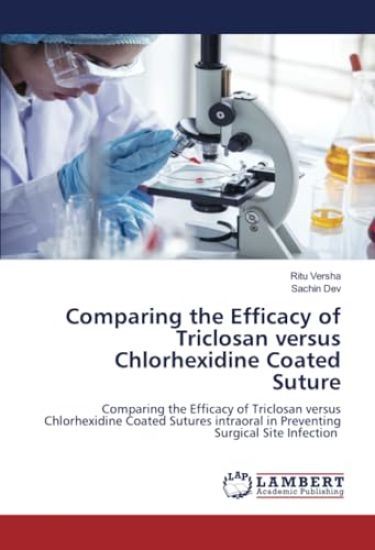
Comparing the Efficacy of Triclosan versus Chlorhexidine Coated Suture

Comparing the Efficacy of Triclosan versus Chlorhexidine Coated Suture

Ritu Versha; Sachin Dev

Lap Lambert Academic Publishing
2024
pokkari
Among antimicrobials, triclosan and chlorohexidine have a broad antibacterial spectrum as well as high biocompatibility indices. Triclosan, an antibacterial coated polyglactin 910(vicryl plus) and chlorohexidine, an antibacterial coated polyglactin 910(3-0) (PECTRYL CS, Dolphin suture) which replace the conventional method of administering antibiotic in routine third molar surgeries and help in maximizing antimicrobial benefits locally and reducing antibiotic load systematically and the complications that follow. Apart from promising study result of triclosan- coated sutures, triclosan also has drawbacks including formation of toxic side products(e.g. chlorinated phenols, methyl triclosan) and antibiotic resistances, likely due to its prevalence in cosmetics and soap. Additionally, triclosan promotes the protein mediated binding of staphylococci to host cells with the consequence of an increased number of nasal infections caused by S. aureus colonization in the presence of triclosan. Due to these restrictions in the use of triclosan, alternatives are urgently needed. Chlorohexidine are highly effective alternatives, inhibiting relevant pathogens of wound infections.