Kirjojen hintavertailu – 12 903 725 kirjaa ja 27 kauppaa

Kirjailija

Rob Anderson

Kirjat ja teokset yhdessä paikassa: 16 kirjaa, julkaisuja vuosilta 1994–2025, suosituimpiin kuuluu My Little Pony: Friends Forever Volume 1. Vertaile teosten hintoja ja tarkista saatavuus suomalaisista kirjakaupoista.

16 kirjaa

Kirjojen julkaisuvuodet: 1994–2025.

My Little Pony: Friends Forever Volume 1

My Little Pony: Friends Forever Volume 1

Alex De Campi; Jeremy Whitley; Ted Anderson; Rob Anderson

Idea Design Works
2014
pokkari
Introducing four tales dedicated to exploring the magic of friendship. First, Applejack and Pinkie Pie enter a baking contest! Then, The Cutie MarkCrusaders team up with Discord, Spike enlists Princess Celestia to help him finda birthday present, and finally, Twilight Sparkle and Shining Armor chase down amysterious ghost.
The Spanish Passion

The Spanish Passion

Rob Anderson

HELION COMPANY
2025
pokkari
The Spanish Civil War is often seen as a socialist against fascist war, but this is not always the case. The people living in Spain during the 1930's had more to them than either being left, or right wing and it is a misconception to put them in "boxes" for ease of simplicity. Spain was not only a hotbed of political ideals during the period but also a place of religion and the old way of Spanish life. When the Republican Government got into power all these conceptions were thrown into the melting pot and what came out was a modern war, the like of which had never been seen. This war was seen as a testing ground for some of the major powers at the time and their influence would be revisited during World War Two. Saturated bombing, tank tactics and new weaponry were used to an extent never seen before in Europe and would dictate the future. It was the scene of some horrendous atrocities which would only be overshadowed by the next major conflict. Many lessons were learned, including the large movement of troops in a short period of time (the Army of Africa to Spain by the Condor Legion and the Italian Air Force) or how to defend areas against modern weapons (the Republican Army around the University in Madrid). There were also tactics used from the previous World War including trenches which were employed to hold up the advancement of troops and still showed they were necessary even against more modern armies. As in any civil war the uniforms, other than those of the international participants, were similar on either side at the beginning of the conflict but as time went on there became differences following the aid from "sponsor" countries. Together with these changes the appearance of other armies in Spain led to a myriad of varied uniforms and weapons which are included in the book. The war lasted for just under three years with numerous large battles taking place, some of which are regularly written about, but in addition there are even more smaller fights which took place. Most of the smaller actions lend themselves to time limited wargames which are playable in one session each, giving the players an achievable objective. The gaming side of the Spanish Civil War has given us numerous figure manufacturers over the years and in addition to this an abundance of information both English and foreign language for everyone interested in the period to read and gain useful information from.
Gay Science

Gay Science

Rob Anderson

DK
2024
sidottu
New York Times BestsellerComedian Rob Anderson examines queer stereotypes and LGBTQ+ culture with humorous explanations borrowed from real principles across multiple fields of science. Class is in session, babe! Discover the inner workings of the LGBTQ+ community with this humorous and informative book. Author and comedian Rob Anderson borrows the familiar science textbook format to skewer ridiculous queer stereotypes with his own version of science. Using the principles of natural, social, and formal sciences, Rob answers extremely serious questions like: Why can’t gays sit in a chair properly? Why don’t lesbians have electricity in their movies? Are colleges turning people bisexual? How does gaydar work? Will bottoms survive the apocalypse? You’ll read about the three subtypes of the gay uncle species, examine the Periodic Table of LGBTQ+ Elements, understand gay crime and punishment, and get educated on the types of bacteria and viruses that exclusively affect the LGBTQs, like the state of Florida. Inspired by his viral “Gay Science” series, Rob recreates some of his most popular episodes in a literary format, and also tackles completely fresh subjects, presenting them with super empirical and totally evidence-based homosexual data. Gay Science includes:Coverage of 60 topics across 29 fields of science including biology, chemistry, physics, genetics, botany, nutrition, astronomy, anthropology, oceanography, sociology, criminology, engineering, computer science, and more! Informative sidebars including Get PrePared, The Tea, Serving Conclusions, The Gloss, Yas or Naur, Fagtoids, and A Lesbian Explains. Diagrams, charts, illustrations, and maps to explain the gayest concepts. Rob Anderson is course-correcting decades of educational shortcomings by explaining the scientific reasonings behind every aspect of LGBTQ+ life. If you’re looking for a fun book that will probably be banned (if it isn’t already), add Gay Science to your personal lesson plan.

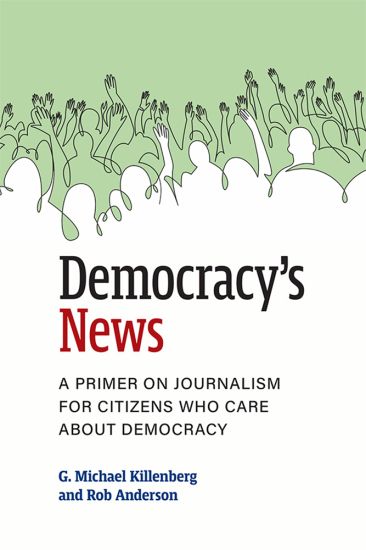
Democracy's News

Democracy's News

G. Michael Killenberg; Rob Anderson

THE UNIVERSITY OF MICHIGAN PRESS
2023
nidottu
Since the Founding, America’s faith in a democratic republic has depended on citizens who could be trusted to be communicators. Vigorous talk about equality, rights, and collaboration fueled the Revolution, the Declaration of Independence, and the Constitution with its amendments. In a republic, the people set the terms for their lives not individually, but in community. The genius of keeping it alive exists in how everyday citizens talk and listen, write and read, for a common good. Dialogue and deliberation—rather than an accumulation of individual preferences—sustains a republic, yet a diminished and scarred institution of journalism jeopardizes citizens’ access to shared and truthful information. A disturbing “what’s in it for me?” attitude has taken over many citizens, and a creeping, autocratic sense of dismissive accusation too often characterizes the political style of elected officials. The basic fuel for democracy is the willingness of informed citizens to take each other seriously as they talk about political choices. Once we begin to clam up, build walls, and dismiss each other, we unravel the threads tying us to the Founders’ vision of a republic. A free press and free speech become meaningless if not supported by sustained listening to multiple positions. There are those who profit by dividing citizens into two camps: a comfortable “us” versus a scary “them.” They make their case with accusations and often with lies. They warp the very meaning of communication, hoping citizens never truly discover each other’s humanity. Democracy’s News discusses today’s problems of public communication in the context of history, law, and interpersonal life. News should not be something to dread, mistrust, or shun. Aided by reliable, factual journalism, citizens can develop a community-based knowledge to cope with social issues great and small. They come to treat neighbors and strangers as more than stereotypes or opponents. They become collaborators with whom to identify and sustain a working republic where news, citizenship, and public discourse merge.
Democracy's News

Democracy's News

G. Michael Killenberg; Rob Anderson

THE UNIVERSITY OF MICHIGAN PRESS
2023
sidottu
Since the Founding, America’s faith in a democratic republic has depended on citizens who could be trusted to be communicators. Vigorous talk about equality, rights, and collaboration fueled the Revolution, the Declaration of Independence, and the Constitution with its amendments. In a republic, the people set the terms for their lives not individually, but in community. The genius of keeping it alive exists in how everyday citizens talk and listen, write and read, for a common good. Dialogue and deliberation—rather than an accumulation of individual preferences—sustains a republic, yet a diminished and scarred institution of journalism jeopardizes citizens’ access to shared and truthful information. A disturbing “what’s in it for me?” attitude has taken over many citizens, and a creeping, autocratic sense of dismissive accusation too often characterizes the political style of elected officials. The basic fuel for democracy is the willingness of informed citizens to take each other seriously as they talk about political choices. Once we begin to clam up, build walls, and dismiss each other, we unravel the threads tying us to the Founders’ vision of a republic. A free press and free speech become meaningless if not supported by sustained listening to multiple positions. There are those who profit by dividing citizens into two camps: a comfortable “us” versus a scary “them.” They make their case with accusations and often with lies. They warp the very meaning of communication, hoping citizens never truly discover each other’s humanity. Democracy’s News discusses today’s problems of public communication in the context of history, law, and interpersonal life. News should not be something to dread, mistrust, or shun. Aided by reliable, factual journalism, citizens can develop a community-based knowledge to cope with social issues great and small. They come to treat neighbors and strangers as more than stereotypes or opponents. They become collaborators with whom to identify and sustain a working republic where news, citizenship, and public discourse merge.
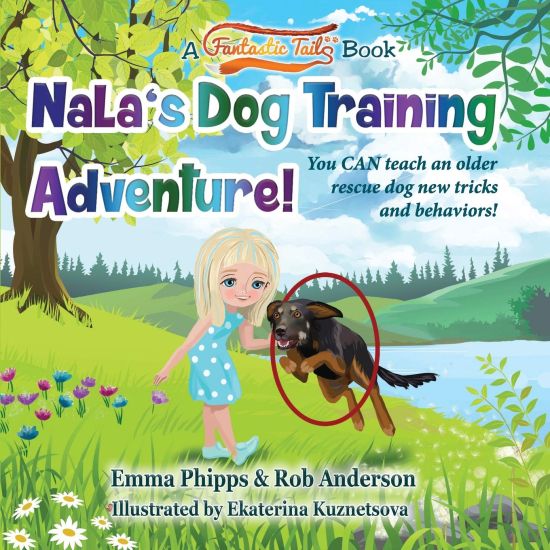
Nala's Dog Training Adventure!: You Can Teach an Old Rescue Dog New Tricks and Behaviors!
Emma is so happy that she adopted her older rescue dog Nala and that she is in her life Usually, Nala does the things Emma wants her to do, but lately, Nala has been pulling on the leash, digging holes, and chewing on shoes. In this great story about rescue dogs, Emma researches how to train her rescue dog Nala to have better behaviors and also how to do tricks. While on her dog training adventure Emma is introduced to dog agility and decides to teach Nala how to run through the obstacles in the course. She even decides to enter Nala into a local dog agility competition to see if she can win a trophy Will Nala win the dog agility competition and celebrate with all of her friends? Will Emma be able to communicate the behaviors that she wants Nala to do and also teach her to do cool and fun tricks? Enjoy this beautifully illustrated children's book that teaches a wonderful lesson about how you can teach an older dog new tricks in this great engaging and fun story
Public Health and Epidemiology at a Glance

Public Health and Epidemiology at a Glance

Margaret Somerville; K. Kumaran; Rob Anderson

John Wiley Sons Inc
2016
nidottu
First Prize in Public health in the 2017 BMA Medical Book Awards Public Health and Epidemiology at a Glance is a highly visual introduction to the key concepts and major themes of population health. With comprehensive coverage of all the core topics covered at medical school, it helps students understand the determinants of health and their study, from personal lifestyle choices and behaviour, to environmental, social and economic factors. This fully updated new edition features:• More coverage of audit and quality improvement techniques• Brand new sections on maternal and child health, and health of older people• New chapters on social determinants of health and guideline development• Expanded self-assessment materialThis accessible guide is an invaluable resource for medical and healthcare students, junior doctors, and those preparing for a career in epidemiology and public health
Long Term Care Customer Service Participant Resource Guide: Evidenced-Based Training for Skilled Nursing Homes, Assisted Living Facilities and Anyone
As part of this purchase a link will be sent to you for the free Companion Video. Please email [email protected]. Long Term Care Customer Service is designed to accelerate your skills and your resident's satisfaction. This course includes: -A systematic and simple method for improving customer service skills-Learning sessions as short as 15 minutes -Practical skills you can apply immediately to improve how you work with your colleagues and your residents"I have been GUSHING about your training to my peers. I enjoy the simplicity of it and the fact that it utilizes life skills not everyone seems to pick up along the way. I think it should be implemented at facilities everywhere." Jamie Reynolds, LPNMennonite Home CommunitiesPennsylvania Regional Committee Member, Person Centered CareCertified Dementia TrainerLong Term Care Customer Service provides consistent reinforcement of what's learned through role plays and other learning exercises, testing, repetition of the basic principles and immediate application. The evidence-based curriculum is designed to meet the objectives of key national long term care initiatives including the Advancing Excellence in America's Nursing Homes Campaign, Quality Assurance and Performance Improvement (QAPI), and the AHCA Quality Initiative. Through careful study of the learning modules you will learn the importance of:1. Skillfully Resolving Intercultural Conflict2. Employing Strategies for Handling Conflict3. Asserting Yourself Respectfully4. Identifying Your Conflict "Style"5. Using Active Listening Skills Effectively6. Overcoming Barriers to Listening and Understanding7. Learning Why You Aren't Listening to Others8. Developing Rapport with Different Personality Types9. Managing Your Attitude10. Avoiding "Rapport Killer" Words and Phrases11. Tailoring Communication to Fit a Customer12. Improving Customer Interactions13. Managing Stress in a Long Term Care Facility14. Relaxing with Visualization and Abdominal Breathing 15. Identifying Who Are the Customers in Your Facility 16. Communicating with Authority and Credibility17. Demonstrating the Power of Friendliness 18. Providing Excellent Customer Service at Mealtimes19. Understanding The Impact of a Dissatisfied Customer20. Identifying Customer Touchpoints21. Adhering to Your Facility's Dress Code22. Reducing the Risk of Lawsuit23. Placing Your Facility Above the Competition24. Employing the Power of First Impressions25. Understanding Customer Expectations26. Building Relationships with Empathy and Compassion 27. Understanding Emotional Triggers28. Creating Unforgettable Customer "Experiences"29. Learning to Ask Questions Effectively30. Employing Strategies to Manage Difficult Customers31. Taking Effective Steps to Resolve Complaints... And many other critical skillsHuman beings are complex and our behavior consistently misunderstood. To enhance how we work together takes time and commitment. Long Term Care Customer Service is an effective tool you can use to improve your skills and the lives of your residents.
Long Term Care Customer Service Instructor's Guide: Evidenced-Based Training for Skilled Nursing Homes, Assisted Living Facilities and Anyone Working
As part of this purchase a link will be sent to you for the free Companion Video. Please email [email protected]. Long Term Care Customer Service is designed to accelerate your staff's skills and your resident's satisfaction. Your facility's benefits include: -A systematic and simple method for improving customer service skills-Learning sessions as short as 15 minutes -Practical skills your front line can apply immediately to improve how staff work with each other and with your residents-Reduced risk of lawsuit-Improved referrals to your facility-Increased QIS and Standard Survey scores"I have been GUSHING about your training to my peers. I enjoy the simplicity of it and the fact that it utilizes life skills not everyone seems to pick up along the way. I think it should be implemented at facilities everywhere." Jamie Reynolds, LPNMennonite Home CommunitiesPennsylvania Regional Committee Member, Person Centered CareCertified Dementia TrainerIt's been proven that effective and consistent customer service training increases staff satisfaction, reduces turnover, and improves your resident's quality of care. This course is a time- and cost-effective means to raise your facility's customer service standards. Long Term Care Customer Service provides consistent reinforcement of what's learned through role plays and other learning exercises, testing, repetition of the basic principles and immediate application. The evidence-based curriculum is designed to meet the objectives of key national long term care initiatives including the Advancing Excellence in America's Nursing Homes Campaign, Quality Assurance and Performance Improvement (QAPI), and the AHCA Quality Initiative. While studying the learning modules your staff will learn the importance of:1. Skillfully Resolving Intercultural Conflict2. Employing Strategies for Handling Conflict3. Asserting Themselves Respectfully4. Identifying Their Conflict "Style"5. Using Active Listening Skills Effectively6. Overcoming Barriers to Listening and Understanding7. Learning Why They Aren't Listening to Others8. Developing Rapport with Different Personality Types9. Managing Their Attitude10. Avoiding "Rapport Killer" Words and Phrases11. Tailoring Communication to Fit a Customer12. Improving Customer Interactions13. Managing Stress in a Long Term Care Facility14. Relaxing with Visualization and Abdominal Breathing 15. Understanding Who Are the Customers in Your Facility 16. Communicating with Authority and Credibility17. Demonstrating the Power of Friendliness 18. Providing Excellent Customer Service at Mealtimes19. Understanding The Impact of a Dissatisfied Customer20. Identifying Customer Touch Points21. Adhering to Your Facility's Dress Code22. Reducing the Risk of Lawsuit23. Placing Your Facility Above the Competition24. Employing the Power of First Impressions25. Understanding Customer Expectations26. Building Relationships with Empathy and Compassion 27. Understanding Emotional Triggers28. Creating Unforgettable Customer "Experiences"29. Learning to Ask Questions Effectively30. Employing Strategies to Manage Difficult Customers31. Taking Effective Steps to Resolve Complaints... And many other critical skillsHuman beings are complex and our behavior consistently misunderstood. To enhance how we work together takes time and commitment. Long Term Care Customer Service is an effective tool your facility can employ to achieve continuous quality improvement.
Interviewing

Interviewing

Rob Anderson; G. Michael Killenberg

Oxford University Press Inc
2008
nidottu
In the second edition of Interviewing, experienced educators Rob Anderson and G. Michael Killenberg explain and demystify the interviewing process, offering students a practical guide to the fascinating art of asking and answering questions. Throughout, they urge students not to view interviewing as a procedure or as a collection of techniques; instead, they present the process of interviewing as a fascinating opportunity for learning through dialogue. The basic motivation for interviewing is learning something new. Each chapter features two sections: "The Basics," which describes essential skills, and "Beyond the Basics," which places them into a relevant context. Moreover, interviewing skills are clearly divided into three interrelated types: Listening, Questioning, and Framing. To highlight the practical, real-world significance of interviewing, the authors encourage students to apply their learning actively and to connect their skills with ideas from other communication, social science, and humanities courses. This student-friendly text also includes the following features: * An emphasis on how interviewing contributes to the quality of public dialogue * An integrated approach to both interviewer and interviewee roles * In-depth coverage of culture and ethics * Innovative boxed supplements, including: - "Interviewers/Interviewees in Action" boxes, featuring first-person accounts - "Trying Out Your Skills" boxes - End-of-chapter "Making Your Decision" boxes, which present interactive hypothetical situations designed to generate class discussion In addition, each chapter includes "The Interview Bookshelf," an annotated section recommending books that students will find helpful for further reading or for future interviewing-related assignments in other classes. A comprehensive online Instructor's Resource Guide is also available and provides suggestions for class activities, resources, and assignments.
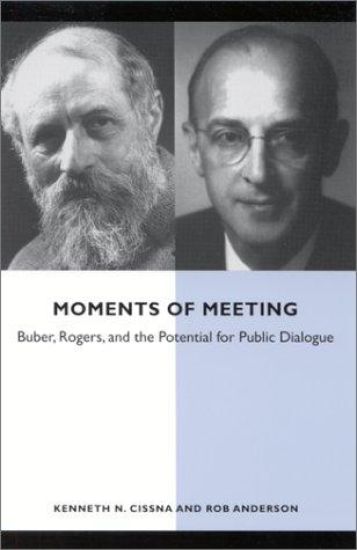
Moments of Meeting

Moments of Meeting

Cissna Kenneth N.; Rob Anderson

State University of New York Press
2002
Sidottu
Tells the story of the relationship between two of the last century's foremost scholars of dialogue, philosopher Martin Buber and psychotherapist Carl Rogers. Moments of Meeting tells the story of a uniquely important event in twentieth-century intellectual history, the 1957 public dialogue of philosopher Martin Buber and psychotherapist Carl Rogers, and explores the practical implications of that event for contemporary social and cultural theory. Supported by original historical research, close textual analysis, and a variety of interviews, the book illuminates the careers, theories, and practices of two of the last century's foremost scholars of dialogue, while it clarifies what they shared in common. Following a careful case study of the Buber-Rogers public conversation about the dynamics of dialogue itself, the authors conclude that public dialogue cannot be built primarily upon skillful technique. Instead, we must support settings and attitudes that enable unique "moments of meeting."
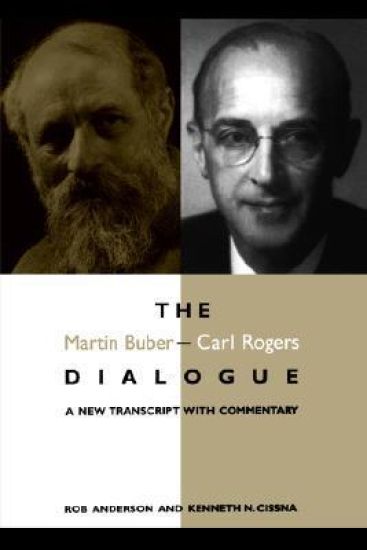
The Martin Buber - Carl Rogers Dialogue

The Martin Buber - Carl Rogers Dialogue

Rob Anderson; Kenneth N. Cissna

State University of New York Press
1997
pokkari

Halvin toimitettuna 42,50 €

A corrected and extensively annotated version of the sole meeting between two of the most important figures in twentieth-century intellectual life. The Martin Buber-Carl Rogers Dialogue offers a corrected and extensively annotated version of this central text in human sciences. Focusing on the sole meeting between these two central figures in twentieth-century intellectual life, Anderson and Cissna return to the original 1957 audio tape and to a variety of other primary sources as they correct and clarify the historical record. The authors highlight hundreds of errors, major and minor, in previously distributed and published transcripts—beginning with the typescript circulated by Rogers himself. They also show how an accurate text enhances our understanding of the relationship between Buber's philosophy and Rogers's client- and person-centered approach to interpersonal relations. Anderson and Cissna discuss the central issues of the conversation, including the limits of mutuality, approaches to "self," alternative models of human nature, confirmation of others, and the nature of dialogic relation itself. Although Buber and Rogers conversed nearly forty years ago, their topics clearly resonate with contemporary debates about postmodernism, forms of otherness, cultural studies, and the possibilities for a dialogic public sphere.
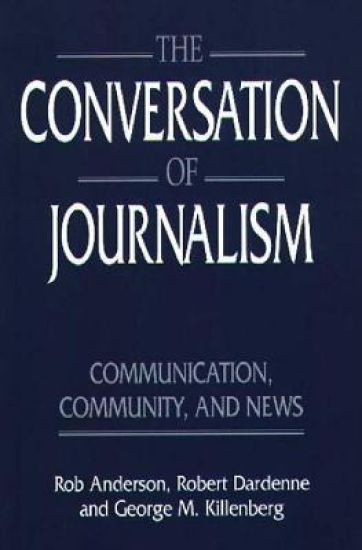
The Conversation of Journalism

The Conversation of Journalism

Rob Anderson; Robert Dardenne; George Killenberg

Praeger Publishers Inc
1996
nidottu
Arguing in the first book-length exploration of a conversational and dialogic model for journalism that accurately reporting the news is a surprisingly limiting if not disabling mission, the authors draw optimistically on past strengths of the media, especially print journalism, to reform and redefine a more ecumenical, constructive, participative, and democratically responsive role for journalism's institutional future. The book's scope is wide, and it includes many current trends: minority voices, contextualizing the news, providing interactive community forums, reconciling informational and entertainment functions, creating public opinion, and understanding the nature of bias.
The Conversation of Journalism

The Conversation of Journalism

Rob Anderson; Robert Dardenne; George Killenberg

Praeger Publishers Inc
1994
sidottu
Draws on media's past strengths to define a more responsive role for journalism's future. This work covers many current trends: minority voices, providing interactive community forums, reconciling informational and entertainment functions, understanding bias and creating "public opinion".