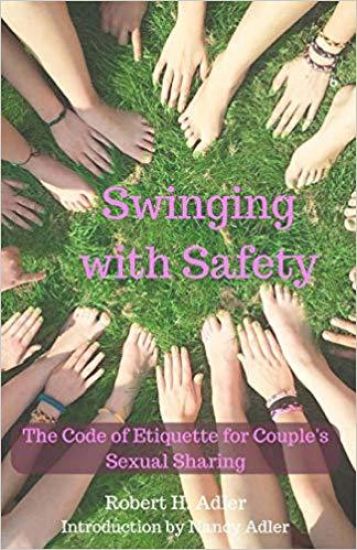
Swinging With Safety: The code of etiquette for couple's sexual sharing
Robert Adler
Createspace Independent Publishing Platform
2018
nidottu
Swinging with Safety is a comprehensive guide to the history, behavioral etiquette, common stumbling blocks and lifestyle norms of the swinging subculture. Written by the co-founder of one of the most popular and far-reaching lifestyle clubs in the United States, Robert Adler records his observations and ruminations in this remarkable text. Contrary to common belief and portrayals in the media, swinging is not sexual anarchy and is, in fact, based upon respect, personal boundaries and the rule of 'No.' Only when the word 'No' is unquestionably respected can a person or couple feel comfortable saying 'Yes.' The author makes keen distinctions between the 'couple's sport' of swinging and other common alternative lifestyles such as open relationships, polyamory and threesomes. This text covers not only the evolution of modern day swinging, but also contains insights into the psychological reasons for swinging, into the protective benefits it offers to committed couples, and contains chapters going in depth into the issues of jealously, morality, fear and self-esteem. In the 1970s Robert and his wife Nancy began their exploration into non-monogamous sexual sharing in a small community in Costa Rica. Upon moving to Florida in 1981 and wanting to continue their explorations, they found countless couples who were interested in partner sharing but who lived in a dearth of information of how to navigate it. After making an offhanded joke one day that they really should teach a class in swinging, Robert and Nancy held their first seminar. And then another, and another, until it grew into a community composed entirely of committed couples looking to explore recreational sex. Each and every one of the 200+ active couples had completed the seminar and were held to a set standard of behavior, including universal respect and the rule of 'No.' These behavioral standards worked, and as the members moved away the standards spread to now form the basis of the American swingers subculture. It was Adler who first realized that in order to be self-sustaining, swingers had to move to a more matriarchal mindset rather than the patriarchal 'wife swapping' out of which the lifestyle evolved. Unfortunately Robert Adler passed away in 1993 before completing his work. To honor his memory his loving widow, Nancy, has compiled this book from his writings and presents it here now, in hopes of guiding and educating new couples on the structure and cultural norms of this alternative lifestyle. Whether you are a monogamous couple interested but unsure about swinging, an experienced swinger looking for tips on throwing your first house party, or an academic researcher interested in first-hand accounts and insights into alternative forms of sexuality, this book is the one for you.