Kirjojen hintavertailu – 12 903 725 kirjaa ja 27 kauppaa

Kirjailija

Robert E. Hales

Kirjat ja teokset yhdessä paikassa: 4 kirjaa, julkaisuja vuosilta 2008–2016, suosituimpiin kuuluu What Your Patients Need to Know About Psychiatric Medications. Vertaile teosten hintoja ja tarkista saatavuus suomalaisista kirjakaupoista.

4 kirjaa

Kirjojen julkaisuvuodet: 2008–2016.

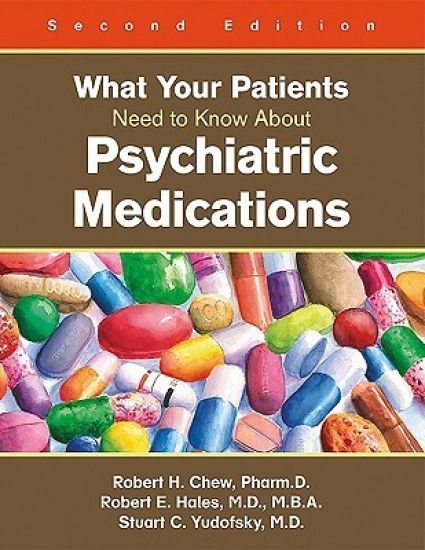
What Your Patients Need to Know About Psychiatric Medications

What Your Patients Need to Know About Psychiatric Medications

Robert H. Chew; Robert E. Hales; Stuart C. Yudofsky

American Psychiatric Association Publishing
2016
pokkari
Whether it is patients' anxiety at being in the physician's office, psychiatric disorders that may impair attention and concentration, skepticism at the effectiveness of medication, or the physician's own busyness, there are varied reasons why patients may not request all of the information they need about a psychiatric medication that is being prescribed or why physicians may not provide it. What Your Patients Need to Know About Psychiatric Medications, Third Edition, remedies this problem by offering clear, accurate, and accessible information on more than 70 medications from all of the major medication classes, from antianxiety medications such as diazepam and lorazepam, to antidepressants such as fluoxetine and sertraline, to stimulants for attention-deficit/hyperactivity disorder such as dexmethylphenidate and oral methylphenidate. Updated to reflect new medications that have come into the marketplace and changes to the dosing, format, and methods of prescription of existing medications, the book evaluates each medication in eight categories: • General information• Dosing information• Common side effects• Adverse reactions and precautions• Risk in during pregnancy and breast-feeding• Potential drug interactions• Overdose• Treatment summary With its quick-reference format, What Your Patients Need to Know About Psychiatric Medications, Third Edition, is not just an invaluable resource for clinical social workers, clinical psychiatrists, psychiatric nurses and residents, and community and psychiatric pharmacists. It is also a source of accessible, jargon-free guidance for patients, who can leave the physician's office with tangible material about their specific medication, which they can retain and refer to later.
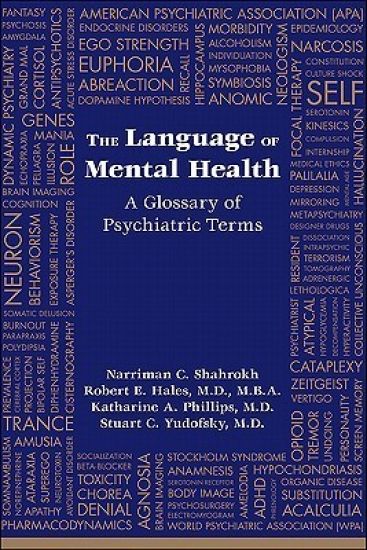
The Language of Mental Health

The Language of Mental Health

Narriman C. Shahrokh; Robert E. Hales; Katharine A. Phillips; Stuart C. Yudofsky

American Psychiatric Association Publishing
2011
pokkari
For many years, the American Psychiatric Glossary has been the standard reference for psychiatrists, residents, psychiatric social workers, and other mental health professionals. Last published 8 years ago, it enjoyed unparalleled dominance in the mental health market. Now comes The Language of Mental Health: A Glossary of Psychiatric Terms, which is designed not only to replace its predecessor but also to improve upon its offerings and bring the content firmly into the twenty-first century. This comprehensive, user-friendly reference boasts an abundance of features, both time-tested and new, as follows: • The number of Glossary definitions has been increased by 25%, and coverage has been expanded to include terms specific to newer psychiatric subspecialties, such as geriatric psychiatry, addiction psychiatry, psychosomatic medicine, and child and adolescent psychiatry.• The section on "Medications Used in Psychiatry" is expanded and up to date. Medications are organized by drug class (e.g., antidepressants), subclass (e.g., selective serotonin reuptake inhibitors), trade name (e.g., Prozac), and generic name (e.g., fluoxetine).• The section on "Psychiatric Measures" is robust and detailed. For example, the entry under "Neuropsychiatric Measures for Cognitive Disorders" lists nearly a dozen assessments, along with their acronyms or abbreviations.• The section on "Mental Health Resources" includes vital descriptions and current contact information for dozens of organizations. The Web addresses are especially useful for those seeking immediate assistance or access to information. Although the reference maintains the level of theoretical, diagnostic, and therapeutic accuracy one would expect from a book for clinicians, it will also prove useful to advocacy groups, attorneys, and mental health patients and their families. Compact enough to slip into a pocket or briefcase, yet substantial enough to withstand frequent consultations and extended study, The Language of Mental Health is a worthy successor to the American Psychiatric Glossary and is the only reference of its caliber and completeness on the market.
What Your Patients Need to Know About Psychiatric Medications

What Your Patients Need to Know About Psychiatric Medications

Robert H. Chew; Robert E. Hales; Stuart C. Yudofsky

American Psychiatric Associati
2009
pokkari
A compendium of no-nonsense handouts designed to provide patients with essential information on the drugs you prescribe. It includes all major classes of medications, along with detailed information on specific agents - information that's more in-depth and easier to understand than what can be obtained from pharmacies or found on the Internet.
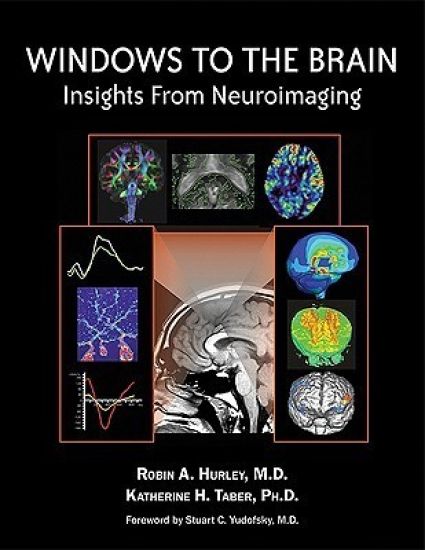
Windows to the Brain

Windows to the Brain

Robin A. Hurley; Katherine H. Taber; Stuart C. Yudofsky; Robert E. Hales

American Psychiatric Association Publishing
2008
sidottu
Windows to the Brain is the only book to synthesize neuroanatomical and imaging research as it pertains to selected neuropsychiatric diseases, containing all of the "Windows to the Brain" papers published from 1999-2006 in the Journal of Neuropsychiatry and Clinical Neurosciences. These reader-friendly summaries by more than sixty contributors present modern imaging techniques that assist in the diagnosis of neuropsychiatric illness, enhanced by easily understood color graphics of the neuroanatomical circuits of behavior, memory, and emotion. They provide a basic understanding of how to apply a variety of imaging techniques to the study of adult neuropsychiatric disease and how to use neuroimaging to assist in diagnostic work-ups for conditions ranging from sleep disorders to epilepsy to borderline personality. Integrated, color-coded graphics present functional anatomical information in a manner that promotes understanding and use in clinical practice, while the text encompasses a wide range of diseases and injuries across the adult lifespan. The book is organized into four sections that will help readers increase their appreciation of the wide range of research and clinical applications for imaging in neuropsychiatry: chapters on imaging techniques discuss underlying principles, strengths and weaknesses, and applications; chapters on specific diseases demonstrate a range of investigative techniques; anatomy/circuit chapters focus on particular brain structures or functional neuropsychiatric circuits; and final chapters present image-based approaches to understanding or selecting treatment options. Some of the applications described are: • Use of fMRI in posttraumatic stress disorder to reveal the delicate balance between the structures of the emotion and memory tracks;• Use of high-resolution MRI and nuclear imaging to distinguish between panic disorder and simple partial seizure disorder;• Use of functional imaging studies to detect corticobasal degeneration, as a means of better understanding dementia;• Use of newer imaging techniques in identifying progressive multifocal leukoencephalopathy, to enable more rapid and reliable tailoring of individual therapy for HIV;• Use of functional neuroimaging in the study of fear, in order to better understand and treat anxiety-based psychiatric disorders;• Use of neuroimaging studies in conversion disorder, showing implications for the disruption of selfhood in dissociative identity disorder and schizophrenia;• Use of FDG-PET scans to look for predictors of treatment response in childhood-onset obsessive-compulsive disorder. Windows to the Brain can help bring less-experienced readers up to speed on advanced imaging and anatomical details that pertain to the modern practice of neuropsychiatry. It is must-reading for specialists in neuropsychiatry and cognitive/behavioral neurology, or for general psychiatrists with an interest in neuroimaging.