Kirjojen hintavertailu – 12 903 725 kirjaa ja 27 kauppaa
Kirjailija
Robert G. Lee
Kirjat ja teokset yhdessä paikassa: 28 kirjaa, julkaisuja vuosilta 2001–2026, suosituimpiin kuuluu University of South Wales 1st Year Law Pack. Vertaile teosten hintoja ja tarkista saatavuus suomalaisista kirjakaupoista.
Kirsty Horsey; Erika Rackley; Steve Wilson; Helen Rutherford; Tony Storey; Natalie Wortley; Emily Finch; Stefan Fafinski; Nicola Monaghan; Richard Taylor; Damian Taylor; Matthew Dyson; Lisa Webley; Harriet Samuels; Robert G. Lee
Picture the classic story of Job, reimagined as a Princess Bride fractured fairy tale, co-written by C. S. Lewis and Monty Python, and you'll have a picture of the warm, witty and wonderfully romantic adventure that awaits you in Perceval the Altruistic. The tale begins with a tragically unimaginable loss, then follows Perceval as he struggles through his own pilgrim's progress of grief until he fights his way to a confrontation with the King. Will his bravery be rewarded with an answer to his soul-searching plea, or a demand he forfeit his very life? Throughout, the book is teeming with wry commentary on modern society, unrequited affections, heartfelt laughs, and, yes, the discovery of the long-lost secret to happiness.
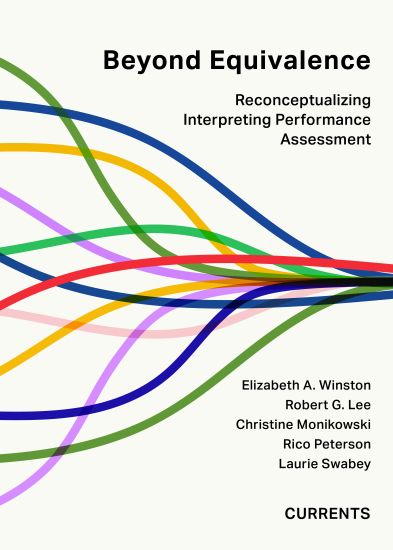
There is a longstanding need for valid, reliable measurements of interpreting competence. Although rubrics and checklists are commonly used in both academic and employment settings, a review of available rubrics indicates that many do not focus on interpreting performance. Traditional metrics for sign language interpreting often conflate language proficiency with interpreting proficiency. Conflating fundamental aspects of language in use--vocabulary, grammar, and prosody-- with fundamental aspects of interpretation--content, intent, and monitoring--compromises the valid assessment of interpreting proficiency. Beyond Equivalence: Reconceptualizing Interpreting Performance Assessment argues for a shift toward more nuanced and evidence-based conceptualizations of interpreting, communication, and meaning to improve the creation and use of rubrics for assessment in interpreter education, certification, and professional development. This inaugural volume in the Currents series introduces a rubric and accompanying scale, which can be used to assess both simultaneous and consecutive interpreting performance in terms of both process and product, in both signed and spoken language interpreting, and in a variety of settings. Beyond Equivalence offers an appreciation of the multivarious nature of meaning in the interpreting process and presents a new paradigm for the measurement of interpreting proficiency.
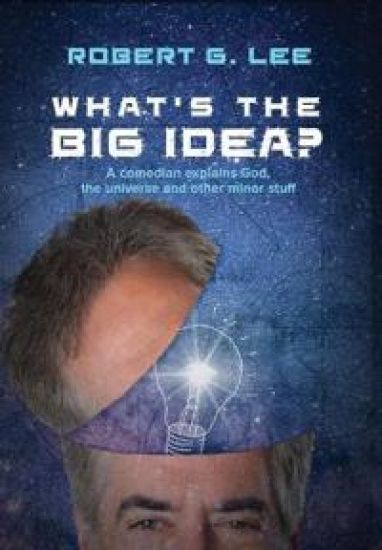
What's the Big Idea? is a smart aleck's commentary on the intersection between faith and science told through the lens of the author's own personal journey of belief. It uses both humor and heart to lay out overwhelming evidence for the existence of an Intelligent Designer. This book is aimed at our current short attention span society that is fluent in both cynicism and sarcasm. People who appreciate The Onion and The Babylon Bee will enjoy the satirical approach the author uses when he dissects both science and religion. Readers of The Case for Christ will be drawn to the well-researched information explaining why Christianity is a faith founded on reason and intellect while Christian parents of teens and millennials will appreciate a book they can share with their children that proves theirs is not a mindless faith. Throughout the book, the reader will be stunned by the awe-inspiring amount of precise fine tuning our world and universe demand as well as be amazed at how much information they've totally forgotten since high school.
What's the Big Idea? is a smart aleck's commentary on the intersection between faith and science told through the lens of the author's own personal journey of belief. It uses both humor and heart to lay out overwhelming evidence for the existence of an Intelligent Designer. This book is aimed at our current short attention span society that is fluent in both cynicism and sarcasm. People who appreciate The Onion and The Babylon Bee will enjoy the satirical approach the author uses when he dissects both science and religion. Readers of The Case for Christ will be drawn to the well-researched information explaining why Christianity is a faith founded on reason and intellect while Christian parents of teens and millennials will appreciate a book they can share with their children that proves theirs is not a mindless faith. Throughout the book, the reader will be stunned by the awe-inspiring amount of precise fine tuning our world and universe demand as well as be amazed at how much information they've totally forgotten since high school.
This volume represents a cross section of research on how communities in forested areas develop and change. It focuses on the need to define forestry and community, and to show how natural resources sociology can be used to study the linkage between forestry and community. .
The contributors consider how social science perspectives can contribute to our understanding of communities and their conflicting choices regarding the allocation and use of forest, agriculture and other natural resources. The topics discussed include community stability, community adjustment to economic and technological change and the public's
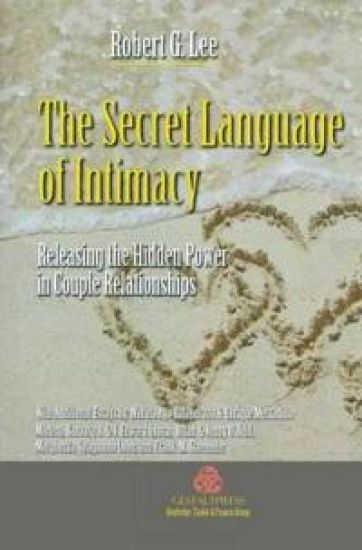
In The Secret Language of Intimacy, shame and its consequences are foregrounded as a major, if not the major, impediment to the healthy functioning in the relationships of couples. In the first part of the book, Robert Lee presents the "Secret Language of Intimacy Workshop," developed and presented for the first time at the 1998 Annual Conference of the Association for the Advancement of Gestalt Therapy. Lee not only describes how the hidden forces of shame and belonging regulate couple dynamics, but also how the workshop itself has facilitated the acceptance of these forces and promoted therapeutic resolution, utilizing clinical vignettes. The second half of the book is comprised of internationally contributed essays from leading names in the Gestalt perspective, each adding to and redefining the role of shame and belonging in the theory and practice of Gestalt couples therapy. Their conclusions, however, are just as insightful for purveyors of other psychoanalytic and psychodynamic therapies as well.