Kirjojen hintavertailu – 12 903 725 kirjaa ja 27 kauppaa

Kirjailija

Robert J. Goldstein

Kirjat ja teokset yhdessä paikassa: 7 kirjaa, julkaisuja vuosilta 1983–2015, suosituimpiin kuuluu The Betta Handbook. Vertaile teosten hintoja ja tarkista saatavuus suomalaisista kirjakaupoista.

Nimi esiintyy myös muodoissa: Robert J Goldstein

7 kirjaa

Kirjojen julkaisuvuodet: 1983–2015.

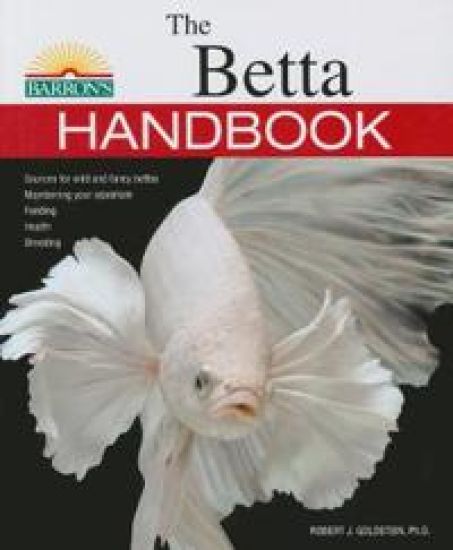
The Betta Handbook

The Betta Handbook

Robert J Goldstein

Barron's Educational Series Inc.,U.S.
2015
pokkari
Titles in B. E. S.'s popular series of Pet Handbooks present comprehensive information and helpful advice from breeders, veterinarians, and other pet experts. These full-color books instruct on housing, feeding, healthcare, and more. In The Betta Handbook, those interested in these brilliantly colored beginners' fishes will learn how to keep them well-fed and healthy so they can continue to brighten the aquarium tank. This book covers all the Betta varieties.
Coastal Fishing in the Carolinas

Coastal Fishing in the Carolinas

Robert J. Goldstein

John F Blair Publisher
2000
pokkari
Whether you enjoy angling from surf, pier, groin, bridge, or jetty, Robert Goldstein's Coastal Fishing in the Carolinas will equip you with the fishing know-how to land that prize catch! Every aspect of your fishing trip is explored, from selecting rod and tackle to determining the right times and the right locales for the best catch of the day. Filled with amusing anecdotes and tips from the seasoned locals, this comprehensive guide is perfect for every fisherman who wants to explore Carolina coastal fishing from every "angle"! Robert Goldstein is an avid fisherman who has spent his life studying the sea. He is known in fishing circles nationwide for his lively wit and tireless enthusiasm for fishing. In addition to Coastal Fishing in the Carolinas and Pier Fishing in North Carolina, he is the author of numerous other books and magazine articles ranging from seafood recipes to studies of fish migrations. Goldstein and his wife, Joyce, reside in Raleigh, North Carolina, where he is president of his own environmental consulting firm, Robert J. Goldstein and Associates.
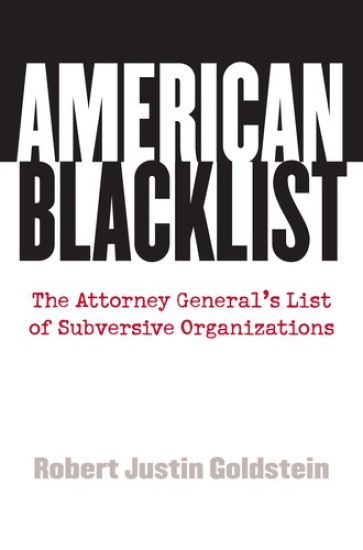
American Blacklist

American Blacklist

Robert J. Goldstein

University Press of Kansas
2008
sidottu
Resonating with disturbing implications for the present, ""American Blacklist"" is the only full-length study of the so-called Attorney General's List of Subversive Organizations (AGLOSO) and its critical role in the post - World War II Red Scare. Although earlier versions of AGLOSO date back as far as 1903 and were wielded by the federal government during both the post - World War I Red Scare and World War II, they were not widely publicized. But beginning in December 1947, as part of the Truman administration's loyalty program, the federal government engaged in a massive effort to publicize the AGLOSO lists. In the process, it threatened, damaged, or destroyed nearly 300 organizations, all of which were listed without any notice, evidence, or hearings. Drawing heavily on previously classified FBI, Justice Department, and other documents, Robert Goldstein demonstrates how the listed organizations and their members (including a large number of federal employees) came under suspicion, were investigated, and suffered numerous public and private penalties. These included the loss of federal tax-exempt status, the denial of passports, deportations and immigration exclusions, ejection from federally subsidized housing, and private employment bans. AGLOSO, which was dominated by J. Edgar Hoover's FBI, also placed a huge damper on political dissent throughout the nation. After 1954, AGLOSO and the Red Scare both came under increasing attack as serious violations of American civil liberties. Indeed, AGLOSO's declining significance after 1954 reflected a more general decline in the postwar Red Scare campaign itself. Both gradually diminished in impact and importance, but they left a long-lasting legacy. As Goldstein reveals, AGLOSO's final demise in 1974 resulted from congressional opposition to President Richard Nixon's attempt to revive it via a 1971 executive order, which was severely attacked as an abuse of executive authority and an attack on civil liberties. The subsequent controversy preceded by only three months the Watergate investigation and the collapse of the Nixon presidency, events that continue to leave their unsettling mark on an equally troubled present.

Flag Burning and Free Speech

Flag Burning and Free Speech

Robert J. Goldstein

University Press of Kansas
2000
nidottu
When Gregory Lee Johnson burned a flag, he was convicted for flag desecration under Texas law, but the Court of Appeals reversed the conviction. This work examines the case and the attendant controversy over whether protection of the flag conflicts with constitutional guarantees of free speech.
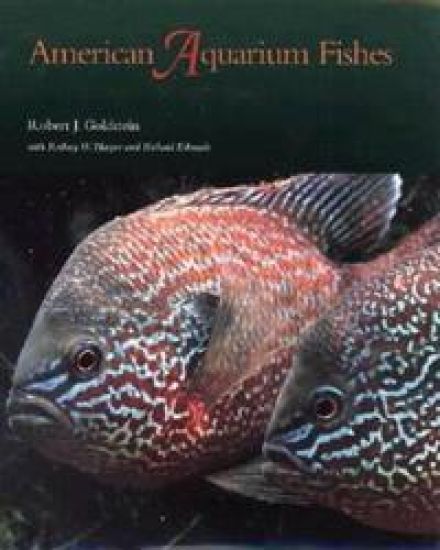
American Aquarium Fishes

American Aquarium Fishes

Robert J. Goldstein; Rodney W. Harper; Richard Edwards

Texas A M University Press
2000
sidottu
This guide provides step-by-step instructions on where to find, how to identify, how to catch, and how to keep and breed many types of fish native to America. The book is designed to be of use to aquarists, hobbyists and biologists.
The War for the Public Mind

The War for the Public Mind

Robert J. Goldstein

Praeger Publishers Inc
2000
sidottu
From 1815 to 1914, European governments and their political oppositions were engaged in a constant war for the minds of the general population, especially the working classes. The German socialist newspaper, Hamburger Echo, declared on September 27, 1910, In waging our war, we do not throw bombs. Instead we throw our newspapers amongst the masses of the working people. Printing ink is our explosive. The most comprehensive study ever published about European censorship practices during the 1815-1914 period, this book discusses the censorship of books, newspapers, caricatures, theater, and film through an analytical introductory survey and six chapters by leading specialists who summarize 19th-century censorship practices in the six major countries of continental Europe: Germany, Italy, France, Austria, Russia, and Spain. As a result of the massive transformation of European life in the post-Napoleonic period and the simultaneously rapid growth in industrialization, urbanization, literacy, transportation, and communication, the average European emerged quite suddenly as a potential player who could no longer be ignored by the ruling elite.