Kirjailija
Robert Lopresti
Kirjat ja teokset yhdessä paikassa: 7 kirjaa, julkaisuja vuosilta 2014–2025, suosituimpiin kuuluu Black Cat Mystery Magazine #16. Vertaile teosten hintoja ja tarkista saatavuus suomalaisista kirjakaupoista.
7 kirjaa
Kirjojen julkaisuvuodet: 2014–2025.

Black Cat Mystery Magazine #11
O'Neil De Noux; Elizabeth Zelvin; Robert Lopresti
WILDSIDE PRESS
2022
pokkari
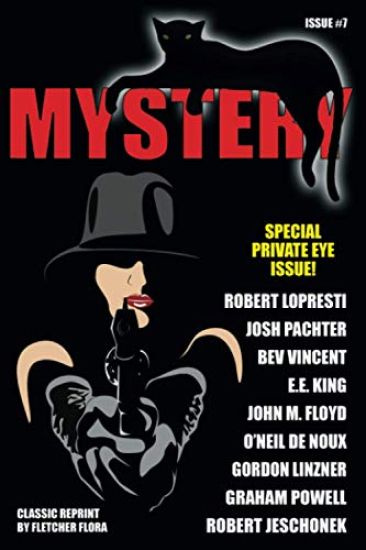

Black Cat Mystery Magazine #6
Michael Bracken; Robert Lopresti; John Hegenberger
Wildside Press
2020
pokkari
The sixth issue of Black Cat Mystery Magazine presented a stellar lineup of new stories, plus a classic reprint. Included in this issue are: NEW STORIES: SEVEN CARD JOKER HIGH, by Trey R. Barker THE LOSER, by Robert Guffey BLEST BE THE TIE THAT BINDS, by Michael Bracken THE MAGNIFICENT SCORE, by John Hegenberger WORSE THAN DEATH, by Robert Lopresti THE LAST THING HE REMEMBERED, by Patricia Dusenbury PAINT THE CLOWN RED, by Laird LongCLASSIC REPRINT: THE CONTAGIOUS KILLER, by Bryce Walton
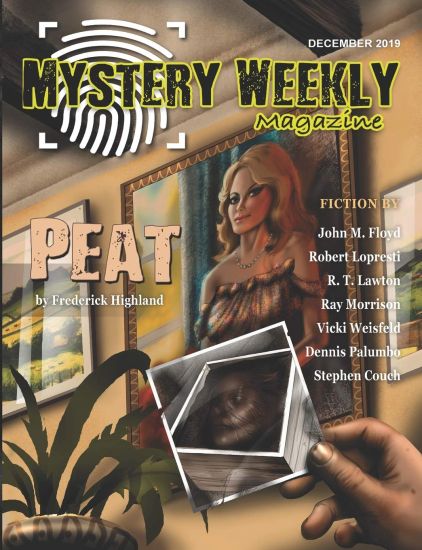
Mystery Weekly Magazine: December 2019
Vicki Weisfeld; Robert Lopresti; Stephen Couch
Independently Published
2019
nidottu
At the cutting edge of crime fiction, Mystery Weekly Magazine presents original short stories by the world's best-known and emerging mystery writers. The stories we feature in our monthly issues span every imaginable subgenre, including cozy, police procedural, noir, whodunit, supernatural, hardboiled, humor, and historical mysteries. Evocative writing and a compelling story are the only certainty. Get ready to be surprised, challenged, and entertained--whether you enjoy the style of the Golden Age of mystery (e.g., Agatha Christie, Arthur Conan Doyle), the glorious pulp digests of the early twentieth century (e.g., Dashiell Hammett, Raymond Chandler), or contemporary masters of mystery. In this issue: In our cover feature "Peat" by Frederick Highland we are taken not far from a remote section of Hadrian's Wall, where archaeologists have departed for the season leaving the innkeeper of Wycherly's On The Moor, Hans Seefeldt, anticipating some peaceful downtime. Peaceful, that is, until a local peat cutter arrives bearing unwanted gifts." The Job Interview" by R. T. Lawton warns us when you need money, job interviews can be tricky situations. At "Rachel's Place" by John M. Floyd, a blind woman becomes the target of bank robbers who believe she can identify them." A Really Great Team" by Dennis Palumbo is a story filled with so many crimes-one thing leads to another ..." Robot Carson" by Robert Lopresti is a mystery set in the near future where robots have replaced most cops. Mary discovers that this leads to some new problems-as well as some old ones. In "The West Texas Rookie" by Vicki Weisfeld a young Texas newspaper reporter has trouble fitting into the old boys' club in the office. When she's given the throwaway assignment of a four-victim murder, she sets out to solve the crime. In "Exposure" by Stephen Couch homeless shelter volunteers discover the frozen corpse of a city official, but find their amateur sleuthing over his demise may lead them into deadlier waters than they ever imagined. In "Taking Debbie Rabbit" by Ray Morrison a hitman's latest assignment doesn't quite add up, leading to some deadly surprises.
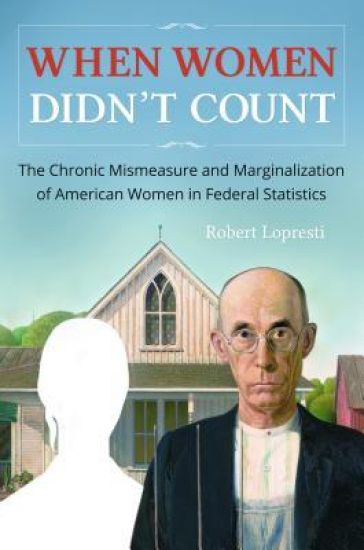
Erroneous government-generated "data" is more problematic than it would appear. This book demonstrates how women's history has consistently been hidden and distorted by 200 years of official government statistics. Much of women's history has been hidden and filtered through unrealistic expectations and assumptions. Because U. S. government data about women's lives and occupations has been significantly inaccurate, these misrepresentations in statistical information have shaped the reality of women's lives. They also affect men and society as a whole: these numbers influence our investments, our property values, our representation in Congress, and even how we see our place in society. This book documents how U. S. federal government statistics have served to reveal and conceal facts about women in the United States. It reaches back to the late 1800s, when the U. S. Census Bureau first listed women's occupations, and forward to the present, when the U. S. government relies on nonprofit groups for statistics on abortion. Objective and accurate, When Women Didn't Count isn't focused on numbers and census results as much as on recognizing problems in data, exposing the hidden facets of government data, and using critical thinking when considering all seemingly authoritative sources. Readers will contemplate how the government decided that a "farmer's wife" could be a farmer, how the ongoing battle over abortion has been reflected in the numbers the government is allowed to keep and publish, the consequences of the Census Bureau "correcting" reports of women in unusual occupations in 1920, and why the official count of women-owned businesses dropped 20 percent in 1997.