Kirjojen hintavertailu – 12 903 725 kirjaa ja 27 kauppaa
Kirjailija
Robert O'Dowd
Kirjat ja teokset yhdessä paikassa: 6 kirjaa, julkaisuja vuosilta 2012–2024, suosituimpiin kuuluu A Few Good Men, Too Many Chemicals. Vertaile teosten hintoja ja tarkista saatavuus suomalaisista kirjakaupoista.
2,3,7,8-Tetrachlorodibenzo-p-dioxin (2,3,7,8-TCDD) is formed as an unintentional by-product of incomplete combustion. It may be released to the environment during the combustion of fossil fuels and wood, and during the incineration of municipal and industrial wastes. It causes chloracne in humans, a severe acne-like condition. This chemical has been shown to be very toxic in animal studies, causing effects on the skin and cancer in people. This is the contaminant in Agent Orange. The base's four landfills burned waste for over 56 years (1943 to 1999). No incinerators were used. The Navy made $650 million on the sale of the base. The state of California published a clear statement that Dioxin is a contaminant of concern for El Toro. Nothing from the EPA, the Navy, and the Marine Corps on the risks of exposure to Dioxin at El Toro from the burnings at the four landfills and the crash crew pits. Dioxin found its way into the soil and the base wells. We drank the water, got cancer and many of us died. These were my brothers. This is totally unacceptable.
2,3,7,8-Tetrachlorodibenzo-p-dioxin (2,3,7,8-TCDD) is formed as an unintentional by-product of incomplete combustion. It may be released to the environment during the combustion of fossil fuels and wood, and during the incineration of municipal and industrial wastes. It causes chloracne in humans, a severe acne-like condition. This chemical has been shown to be very toxic in animal studies, causing effects on the skin and cancer in people. This is the contaminant in Agent Orange. The base's four landfills burned waste for over 56 years (1943 to 1999). No incinerators were used. The Navy made $650 million on the sale of the base. The state of California published a clear statement that Dioxin is a contaminant of concern for El Toro. Nothing from the EPA, the Navy, and the Marine Corps on the risks of exposure to Dioxin at El Toro from the burnings at the four landfills and the crash crew pits. Dioxin found its way into the soil and the base wells. We drank the water, got cancer and many of us died. These were my brothers. This is totally unacceptable.
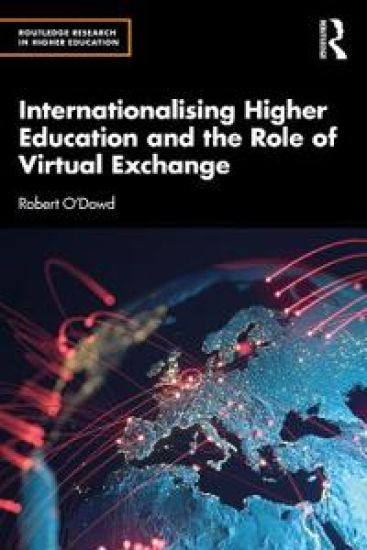
This volume introduces Virtual Exchange (VE) as an innovative form of online intercultural learning and investigates the myriad of ways VE is being carried out across universities, ultimately arguing for its integration into university internationalisation policies and course curricula. Against the backdrop of increased digitalisation initiatives throughout universities given the effects of the pandemic, chapters focus not only on providing new research findings, but also on providing a comprehensive introduction and argumentation for the use of VE in university education and also in demonstrating how it can be put into use by both university decision-makers and educators. Reviewing the limitations of the activity, this timely work also fundamentally posits how VE and blended mobility more broadly could be developed in future higher education initiatives. This book will be of interest to researchers, academics, scholars, and students involved with Open & Distance Education and eLearning, approaches to internationalisation in education, and the study of higher education more broadly. Those interested in innovative methods for teaching and learning, as well as educational research, will also benefit from this volume.
This volume introduces Virtual Exchange (VE) as an innovative form of online intercultural learning and investigates the myriad of ways VE is being carried out across universities, ultimately arguing for its integration into university internationalisation policies and course curricula. Against the backdrop of increased digitalisation initiatives throughout universities given the effects of the pandemic, chapters focus not only on providing new research findings, but also on providing a comprehensive introduction and argumentation for the use of VE in university education and also in demonstrating how it can be put into use by both university decision-makers and educators. Reviewing the limitations of the activity, this timely work also fundamentally posits how VE and blended mobility more broadly could be developed in future higher education initiatives. This book will be of interest to researchers, academics, scholars, and students involved with Open & Distance Education and eLearning, approaches to internationalisation in education, and the study of higher education more broadly. Those interested in innovative methods for teaching and learning, as well as educational research, will also benefit from this volume.
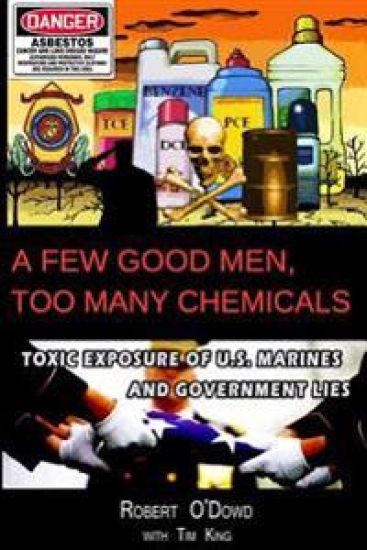
A Few Good Men, Too Many Chemicals is an investigative report of U. S. Marines who were exposed to organic solvents, benzene, radiation, and other carcinogens in their drinking water and through dermal contact and inhalation while working with toxic chemicals without protective clothing and face masks. Thousands of veterans and their families were once stationed at Marine Corps Air Station El Toro, CA, the premier Marine Corps jet fighter base, until closed in July 1999. Dioxin 2,3,7,8 TCDD was reported at six sites, and is listed as a probable contaminant of concern by the California Department of Toxic Substances Control (DTSC). Dioxin is the toxic component in Agent Orange. A Radium 226 paint room in Hangar 296 contaminated the work space in one portion of this huge hangar (200,000 sq. feet), forcing the Navy to remediate the contaminants before turning the hangar over to local authorities. Remediation by a Navy contractor continued as of 2015. A Trichloroethylene (TCE) plume from Hangars 296 and 297 cut a path through the base wells into Orange County's principal aquifer. TCE is a known carcinogen. At Marine Corps Base Camp Lejeune, NC, the base wells were contaminated with organic solvents from 1953 to 1987 with an estimated one million people exposed to trichloroethylene (TCE), benzene and other toxic chemicals. Legislation to provide health care for Camp Lejeune, an active military installation, was passed in the 112th Congress. In September 2016, Lejeune veterans were eligible for presumptive VA disability compensation for eight health conditions linked to toxic exposure in the base wells. Marines have died without 'connecting the dots' between their killing diseases and military service. There is no VA health care and presumptive disability compensation for El Toro veterans. El Toro Marines have fight the battle for VA benefits, one Marine at a time. These two bases are part of the 130 military bases on the EPA Superfund database, the most toxic environments in the US. See: https: //www.amazon.com/Few-Good-Men-Many-Chemicals/dp/1542442397 and http: //www.envirostor.dtsc.ca.gov/public/profile_report?global_id=30970003.
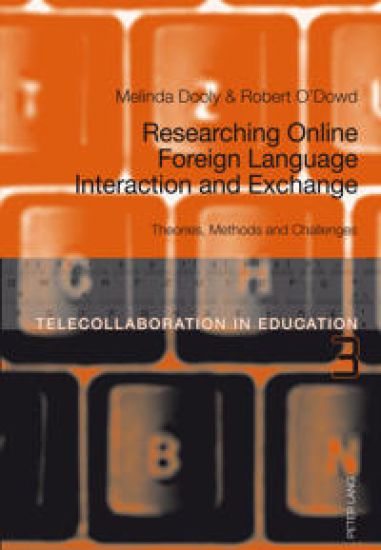
This book provides an accessible introduction to some of the methods and theoretical approaches for investigating foreign language (FL) interaction and exchange in online environments. Research approaches which can be applied to Computer-Mediated Communication (CMC) are outlined, followed by a discussion of the way in which tools and techniques for data-collection in diverse online contexts can contribute to our understanding of online foreign language interaction. The compilation of chapters presents a comprehensive overview of key issues in virtual, intercultural and multimodal research contexts and gives insight into the particular challenges and situations which this area of language learning implies. Researching Online Foreign Language Interaction and Exchange addresses the needs of researchers and newcomers to the area who are hoping to learn about the current state of the field by providing overviews of varying approaches and extensive literature review as well as extracts of real data to illustrate the theories, methods or issues in question.