Kirjojen hintavertailu – 12 903 725 kirjaa ja 27 kauppaa

Kirjailija

Robert Paul Lamb

Kirjat ja teokset yhdessä paikassa: 5 kirjaa, julkaisuja vuosilta 2010–2023, suosituimpiin kuuluu Poe's Fiction. Vertaile teosten hintoja ja tarkista saatavuus suomalaisista kirjakaupoista.

5 kirjaa

Kirjojen julkaisuvuodet: 2010–2023.

Poe's Fiction

Poe's Fiction

G R Thompson; Robert Paul Lamb; Philip Haldeman

English Hill Press
2023
pokkari
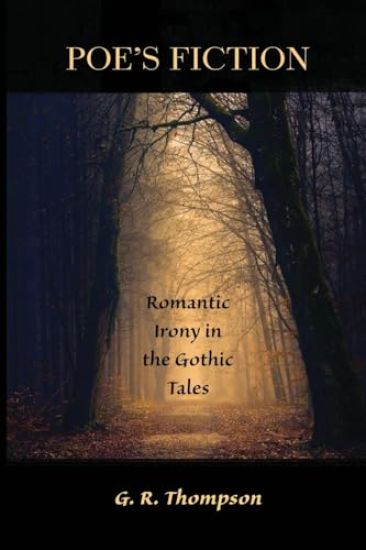
This 50th anniversary reissue of G. R. Thompson's Poe's Fiction makes available for Poe scholars, students, and aficionados the groundbreaking work that changed the course of Poe studies. Written in highly accessible prose, the book reads as fresh today as when it first appeared. Poe's Fiction, which established that Poe was neither a hack nor a madman, neither a writer purely devoted to ideality nor solely a morbid Gothicist-but rather consistently a romantic ironist-was not only the first book to make full sense of Poe, it also helped to explain Poe's enormous influence on twentieth-century literature.
The Hemingway Short Story

The Hemingway Short Story

Robert Paul Lamb

Louisiana State University Press
2015
nidottu
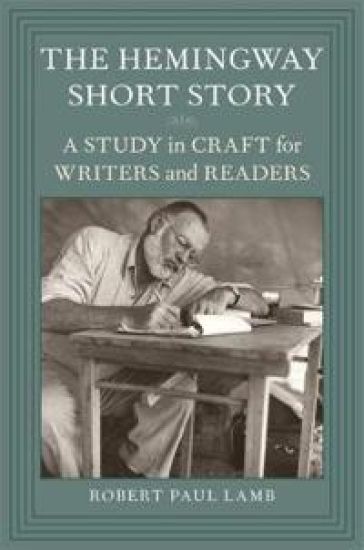
In The Hemingway Short Story: A Study in Craft for Writers and Readers, Robert Paul Lamb delivers a dazzling analysis of the craft of this influential writer. Lamb scrutinizes a selection of Hemingway's exemplary stories to illuminate the author's methods of construction and to show how craft criticism complements and enhances cultural literary studies. The Hemingway Short Story, the highly anticipated sequel to Lamb's critically acclaimed Art Matters: Hemingway, Craft, and the Creation of the Modern Short Story, reconciles the creative writer's focus on art with the concerns of cultural critics, establishing the value that craft criticism holds for all readers. Beautifully written in clear and engaging prose, Lamb's study presents close readings of representative Hemingway stories such as Soldier's Home, A Canary for One, God Rest You Merry, Gentlemen, and Big Two-Hearted River. Lamb's examination of Indian Camp, for instance, explores not only its biographical contexts -- showing how details, incidents, and characters developed in the writer's mind and notebook as he transmuted life into art -- but also its original, deleted opening and the final text of the story, uncovering otherwise unseen aspects of technique and new terrains of meaning. Lamb proves that a writer is not merely a site upon which cultural forces contend, but a professional in his or her craft who makes countless conscious decisions in creating a literary text. Revealing how the short story operates as a distinct literary genre, Lamb provides the meticulous readings that the form demands -- showing Hemingway practicing his craft, offering new inclusive interpretations of much debated stories, reevaluating critically neglected stories, analyzing how craft is inextricably entwined with a story's cultural representations, and demonstrating the many ways in which careful examinations of stories reward us.
The Hemingway Short Story

The Hemingway Short Story

Robert Paul Lamb

Louisiana State University Press
2013
sidottu
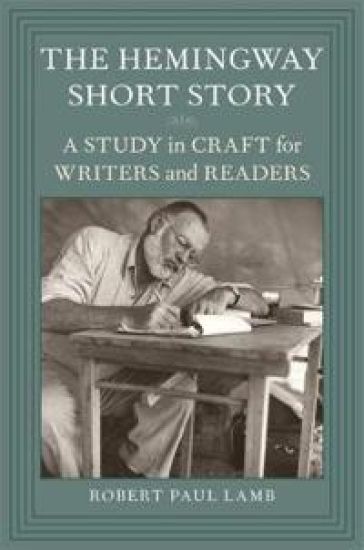
In The Hemingway Short Story: A Study in Craft for Writers and Readers, Robert Paul Lamb delivers a dazzling analysis of the craft of this influential writer. Lamb scrutinizes a selection of Hemingway's exemplary stories to illuminate the author's methods of construction and to show how craft criticism complements and enhances cultural literary studies. The Hemingway Short Story, the highly anticipated sequel to Lamb's critically acclaimed Art Matters: Hemingway, Craft, and the Creation of the Modern Short Story, reconciles the creative writer's focus on art with the concerns of cultural critics, establishing the value that craft criticism holds for all readers. Beautifully written in clear and engaging prose, Lamb's study presents close readings of representative Hemingway stories such as Soldier's Home, A Canary for One, God Rest You Merry, Gentlemen, and Big Two-Hearted River. Lamb's examination of Indian Camp, for instance, explores not only its biographical contexts -- showing how details, incidents, and characters developed in the writer's mind and notebook as he transmuted life into art -- but also its original, deleted opening and the final text of the story, uncovering otherwise unseen aspects of technique and new terrains of meaning. Lamb proves that a writer is not merely a site upon which cultural forces contend, but a professional in his or her craft who makes countless conscious decisions in creating a literary text. Revealing how the short story operates as a distinct literary genre, Lamb provides the meticulous readings that the form demands -- showing Hemingway practicing his craft, offering new inclusive interpretations of much debated stories, reevaluating critically neglected stories, analyzing how craft is inextricably entwined with a story's cultural representations, and demonstrating the many ways in which careful examinations of stories reward us.
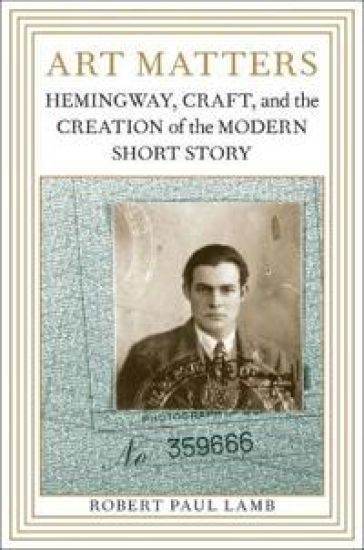
Art Matters

Art Matters

Robert Paul Lamb

Louisiana State University Press
2011
nidottu
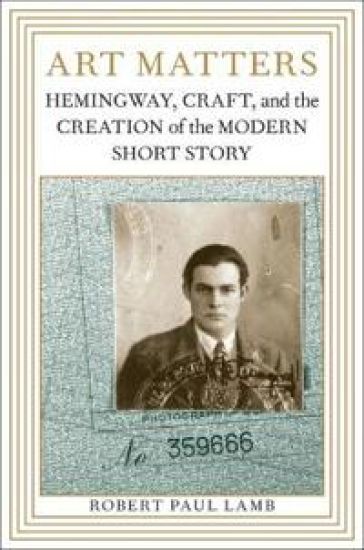
In Art Matters, Robert Paul Lamb provides the definitive study of Ernest Hemingway's short story aesthetics. Lamb locates Hemingway's art in literary historical contexts and explains what he learned from earlier artists, including Edgar Allan Poe, Paul Cézanne, Henry James, Guy de Maupassant, Anton Chekhov, Stephen Crane, Gertrude Stein, James Joyce, and Ezra Pound. Examining how Hemingway developed this inheritance, Lamb insightfully charts the evolution of the unique style and innovative techniques that would forever change the nature of short fiction. Art Matters opens with an analysis of the authorial effacement Hemingway learned from Maupassant and Chekhov, followed by fresh perspectives on the author's famous use of concision and omission. Redefining literary impressionism and expressionism as alternative modes for depicting modern consciousness, Lamb demonstrates how Hemingway and Willa Cather learned these techniques from Crane and made them the foundation of their respective aesthetics. After examining the development of Hemingway's art of focalization, he clarifies what Hemingway really learned from Stein and delineates their different uses of repetition. Turning from techniques to formal elements, Art Matters anatomizes Hemingway's story openings and endings, analyzes how he created an entirely unprecedented role for fictional dialogue, explores his methods of characterization, and categorizes his settings in the fifty-three stories that comprise his most important work in the genre. A major contribution to Hemingway scholarship and to the study of modernist fiction, Art Matters shows exactly how Hemingway's craft functions and argues persuasively for the importance of studies of articulated technique to any meaningful understanding of fiction and literary history. The book also develops vital new ways of understanding the short story genre as Lamb constructs a critical apparatus for analyzing the short story, introduces to a larger audience ideas taken from practicing storywriters, theorists, and critics, and coins new terms and concepts that enrich our understanding of the field.

Art Matters

Art Matters

Robert Paul Lamb

Louisiana State University Press
2010
sidottu
In Art Matters, Robert Paul Lamb provides the definitive study of Ernest Hemingway's short story aesthetics. Lamb locates Hemingway's art in literary historical contexts and explains what he learned from earlier artists, including Edgar Allan Poe, Paul Cézanne, Henry James, Guy de Maupassant, Anton Chekhov, Stephen Crane, Gertrude Stein, James Joyce, and Ezra Pound. Examining how Hemingway developed this inheritance, Lamb insightfully charts the evolution of the unique style and innovative techniques that would forever change the nature of short fiction. Art Matters opens with an analysis of the authorial effacement Hemingway learned from Maupassant and Chekhov, followed by fresh perspectives on the author's famous use of concision and omission. Redefining literary impressionism and expressionism as alternative modes for depicting modern consciousness, Lamb demonstrates how Hemingway and Willa Cather learned these techniques from Crane and made them the foundation of their respective aesthetics. After examining the development of Hemingway's art of focalization, he clarifies what Hemingway really learned from Stein and delineates their different uses of repetition. Turning from techniques to formal elements, Art Matters anatomizes Hemingway's story openings and endings, analyzes how he created an entirely unprecedented role for fictional dialogue, explores his methods of characterization, and categorizes his settings in the fifty-three stories that comprise his most important work in the genre. A major contribution to Hemingway scholarship and to the study of modernist fiction, Art Matters shows exactly how Hemingway's craft functions and argues persuasively for the importance of studies of articulated technique to any meaningful understanding of fiction and literary history. The book also develops vital new ways of understanding the short story genre as Lamb constructs a critical apparatus for analyzing the short story, introduces to a larger audience ideas taken from practicing storywriters, theorists, and critics, and coins new terms and concepts that enrich our understanding of the field.