Kirjojen hintavertailu – 12 903 731 kirjaa ja 27 kauppaa

Kirjailija

Robert S Heaney

Kirjat ja teokset yhdessä paikassa: 5 kirjaa, julkaisuja vuosilta 2015–2019, suosituimpiin kuuluu From Historical to Critical Post-Colonial Theology. Vertaile teosten hintoja ja tarkista saatavuus suomalaisista kirjakaupoista.

Nimi esiintyy myös muodoissa: Robert S. Heaney

5 kirjaa

Kirjojen julkaisuvuodet: 2015–2019.

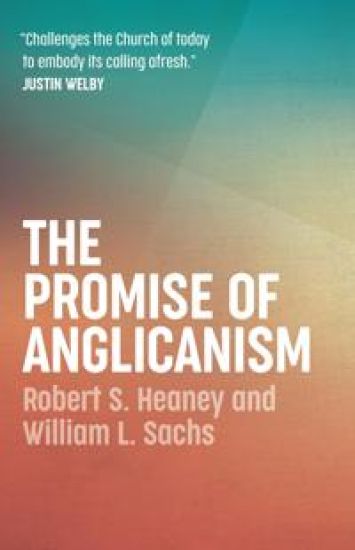
The Promise of Anglicanism

The Promise of Anglicanism

Robert S. Heaney; William L. Sachs

SCM Press
2019
nidottu
Anglicanism is one of the largest and most widely dispersed of all religious traditions. How it reached this status is replete with irony and with conflict. The origins of Anglicanism lie in the Church of England, still its largest branch and arguably its defining center. But the majority of Anglicans now reside in sub-Saharan Africa and do not speak English as their primary language. Given Anglicanism’s roots, and its integration into British colonialism, the expansion of this branch of Christianity seems puzzling. Moreover, intramural Anglican conflict, from the end of colonialism onward, seemingly has torn the fabric of Anglican life. It seems problematic that this tradition, and the church bodies that represent it, will remain intact. By looking at the Church through the lens of the biblical theme of promise, this book seeks to offer neither lament for a tattered tradition nor facile hope for an expanding one. It considers the key phases of Anglican history, each defined by clear intentions, from securing English national life, to mission, to finding contextual roots in various locales. Whilst not denying that the ongoing contestation about the proper shape of Anglican faith and practice has become central, the book highlights the emergence of fresh consensus among Anglicans, centered on grassroots initiative and innovation, creating informal patterns of collaboration that can transcend context and overlook divergence.
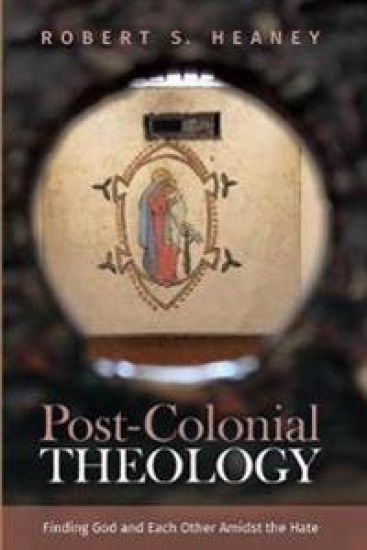
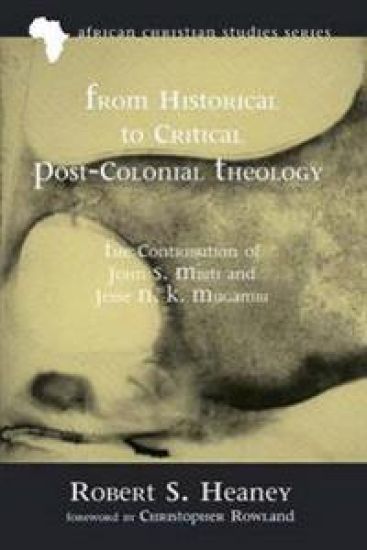
Post-Colonial Theology

Post-Colonial Theology

Robert S Heaney

Cascade Books
2019
pokkari
Hate is unveiled on our streets. Politics is polarized and the cohesion of communities is under stress and threat. Religious and theological leaders appear compromised or paralyzed. Robert S. Heaney grew up in a Northern Ireland where enmity paraded itself and policed the boundaries between segregated identities and aspirations. Such conflict, with deep historic roots, is inextricably linked to religion and colonization. The theologizing of colonialism, and the ongoing implications of colonialism, cannot be ignored by those who wish to understand the most intractable of human conflicts. Religious adherents and scholars are increasingly seeking to understand colonialism and decolonization in theological terms. The field of post-colonial studies, across a range of contexts and in a complex network of inter-disciplinary analyses, has emerged as a major scholarly movement seeking to provide resources for such a task. Theologians have increasingly seen the field as a resource and have made their own contributions to its development. However, depending as it does on a series of theoretical and technical commitments, post-colonialism remains inaccessible to the uninitiated. Beginning with his own particular context of formation, in this book Heaney provides an accessible introduction to post-colonial theology.
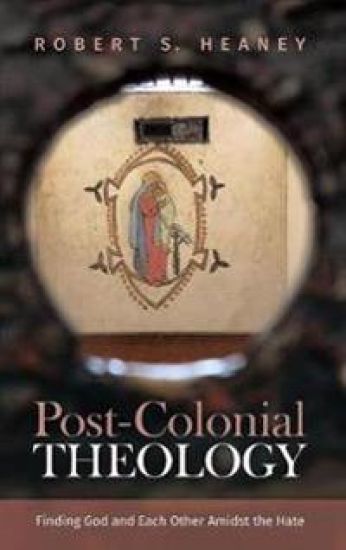
Post-Colonial Theology

Post-Colonial Theology

Robert S Heaney

Cascade Books
2019
sidottu
Hate is unveiled on our streets. Politics is polarized and the cohesion of communities is under stress and threat. Religious and theological leaders appear compromised or paralyzed. Robert S. Heaney grew up in a Northern Ireland where enmity paraded itself and policed the boundaries between segregated identities and aspirations. Such conflict, with deep historic roots, is inextricably linked to religion and colonization. The theologizing of colonialism, and the ongoing implications of colonialism, cannot be ignored by those who wish to understand the most intractable of human conflicts. Religious adherents and scholars are increasingly seeking to understand colonialism and decolonization in theological terms. The field of post-colonial studies, across a range of contexts and in a complex network of inter-disciplinary analyses, has emerged as a major scholarly movement seeking to provide resources for such a task. Theologians have increasingly seen the field as a resource and have made their own contributions to its development. However, depending as it does on a series of theoretical and technical commitments, post-colonialism remains inaccessible to the uninitiated. Beginning with his own particular context of formation, in this book Heaney provides an accessible introduction to post-colonial theology. ""A wholly new approach to the contentious relation between critical theory and theological application. This engaging piece of theological writing effortlessly transforms one of the most misunderstood forms of critical theory--postcolonial criticism--into a valuable instrument for constructing a cogent theology for ordinary people. The author's candor and inventiveness come through forcefully in these pages."" --R. S. Sugirtharajah, University of Birmingham ""This is no ordinary academic book in post-colonial studies. Where so many other volumes offer theoretical, and often a-contextual, readings of coloniality dominated by jargon, Heaney engages post-colonial thought in clear language grounded in particular contexts and experiences. While many postcolonial writers exclude religions/theologies altogether as only and inevitably problematic vehicles of colonialism, Heaney, amid the recognition of theology's propensities for cooptation by imperial interests, calls for the engagement of intercultural theology as a resource for post-coloniality: 'At the heart of the Christian gospel is the revolutionary idea that God interrupted the power of empire.' The result is a practical post-colonial theology that interrogates the work of hate in relationships marked by colonized-colonizer enmity. This work is situated in four particular lived experiences of coloniality. It brings each one into conversation not only with the conceptual framework of postcolonial theory but also with texts and practices of Christian traditions. Starting with his own location as an Anglo-Protestant Christian growing up in Northern Ireland, Heaney engages Irish poet W. B. Yeats to give voice to the ambiguities and instabilities of colonial identities where the boundaries between colonizer and colonized are 'porous.' Heaney considers three other settings shaped by struggles for emancipation from imperial powers--Kenya, Korea, and U. S. Native American contexts. He explores themes of particularity, agency, coloniality, hybridization, and resistance in relation to these contexts, which anchors the book's post-colonial theoretical discourse in lived experiences of colonial contestation. For readers new to this thought world, the book provides a helpful introduction to post-colonial studies with definitions of key terms and concept-linking. For seasoned readers of post-colonial literature, Heaney's book offers a fresh perspective by situating this post-colonial project as a form of practical theology that aims toward transformation. This book is a must-read for theologians who are not content with merely describing and uncovering Christianity's role in cultural domi

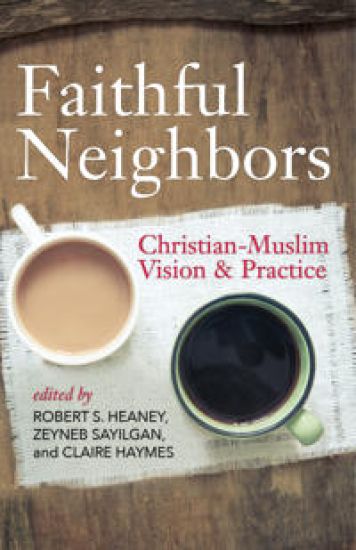
Faithful Neighbors

Faithful Neighbors

Robert S. Heaney; Zeyneb Sayilgan; Claire Haymes

Church Publishing
2016
pokkari
Faithful Neighbors outlines an introduction to the rationale for interfaith work through both theological and practical viewpoints, using stories from real experiences of interfaith cooperation to offer encouragement, inspiration, and practical steps to do the same. The book has eight chapters in three main sections. Section one provides a Christian and Muslim rationale for engaging with the Other. Section two outlines stories of those involved in interfaith work in a series of contexts: academic research, intercultural, pastoral care, youth work, and peace work. The concluding section details recommendations and resources for best practice. Faithful Neighbors exhorts both Muslims and Christians to be faithful neighbors drawing on their traditions and real life practice for the sake of life-giving community.