Kirjojen hintavertailu – 12 903 725 kirjaa ja 27 kauppaa
Kirjailija
Robert Savage
Kirjat ja teokset yhdessä paikassa: 12 kirjaa, julkaisuja vuosilta 2008–2026, suosituimpiin kuuluu Stefan Loose Reiseführer USA, Der Osten. Vertaile teosten hintoja ja tarkista saatavuus suomalaisista kirjakaupoista.
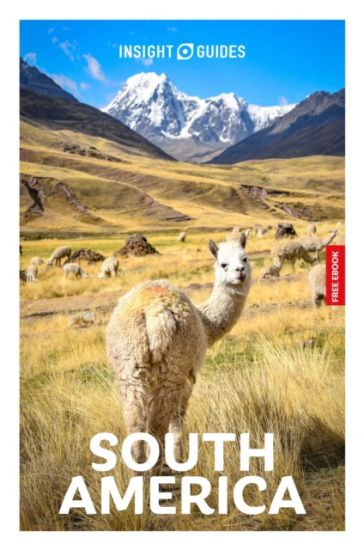
This South America guidebook, perfect for travellers planning longer trips, is written by Insight Guides' destination experts. It blends detailed coverage of local history, culture and places to visit with the visual appeal of an illustrated magazine, packed with enticing photos that will inspire excitement for your travels. Printed on eco-friendly paper for sustainability. In this South America travel guidebook, you will find: Top Attractions and Editors' Choice - must-visit highlights including Iguaz Falls, The Lake District, The Amazon, Rio de Janeiro, Machu Picchu, Old Quito, Lake Titicaca, Easter Island, Avenue of Volcanoes, showcasing the best of what South America has to offerIn-depth coverage of attractions - detailed narrative descriptions of sites and hidden gem destinations, all organised by geographical locationWhen to go to South America - guidance on the perfect times to visit, with details on the high and low seasons, climate and festivalsPractical travel information - essential advice on logistics, including getting there, moving around, budgeting tips, dining and shoppingInsider recommendation - top tips on beating the crowds, saving money and finding the best local spotsEngaging essays - thoughtful features on the country's history, culture, contemporary life and politics give a deeper understandingHigh-quality maps - detailed maps, featuring must-see places organised by number and corresponding to textStriking pictures - inspirational photography on every pageColour-coded chapters - each chapter is assigned a unique colour, aiding in easy navigationFree download of eBook - after purchasing the printed guidebook, you'll also have access to a free download of the eBookCoverage includes: Colombia, Venezuela, Guyana, Suriname and French Guiana, Peru, Bolivia, Ecuador, Galapagos Islands, Brazil, The Southern Cone, Chilean Lake District, Argentina
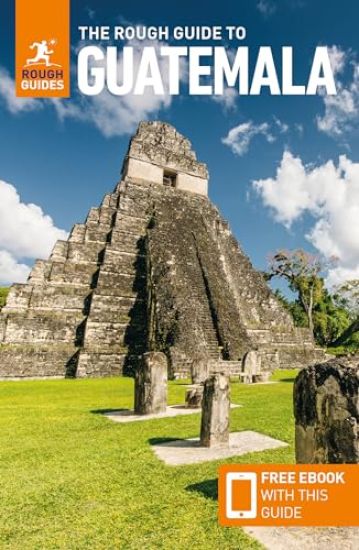
Ideal for independent travellers, this guidebook to Guatemala, written by destination experts, combines must-see sights with hidden gems and offers essential tips for both planning and on-the-ground adventures. It's sustainably printed to ensure environmental responsibility. Inside this Guatemala travel book, you'll find:- Regional deep dive - coverage of key regions, offering a rich selection of places and experiences, and honest reviews of each one- Itinerary samples - designed for various durations and interests- Practical information - tips on how to get there and get around, use public transport, beat the crowds, save time and money, travel responsibly and more- Expert recommendations - insider advice on where to eat, drink, and stay, alongside tips for nightlife and outdoor activities- Seasonal tips - when to go to Guatemala, climate details, and festival highlights to plan your perfect trip- Must-See pick - a curated selection of not-to-miss sights as chosen by our authors - Lago de Atitlán, Maya textiles, Centro Histórico, Río Dulce, Quetzal, Volcán de Pacaya, Semana Santa, the Ixil Region, Antigua, Tikal, Ron Zacapa Centenario, rainforest wildlife, Lívingston, Semuc Champey, Mirador Basin- Navigational maps - colour-coded maps highlighting essential spots for dining, accommodation, shopping and entertainment- Cultural insights - engaging stories delve into the local culture, history, arts and more, enriching your understanding of Guatemala- Language essentials - a handy Spanish, Maya dictionary and glossary to help you communicate and connect with locals- Inspiring travel photography - full-colour pictures capture the essence of Guatemala, bringing each location to life and fuelling your wanderlust- Bonus eBook - Free download with purchase, offering digital access to our comprehensive guide- Coverage includes: Guatemala City, Antigua, El Quiché, Quetzaltenango, Huehuetenango, the Pacific Coast, the Oriente and Izabal, Cobán and the Verapaces, Petén, Honduras
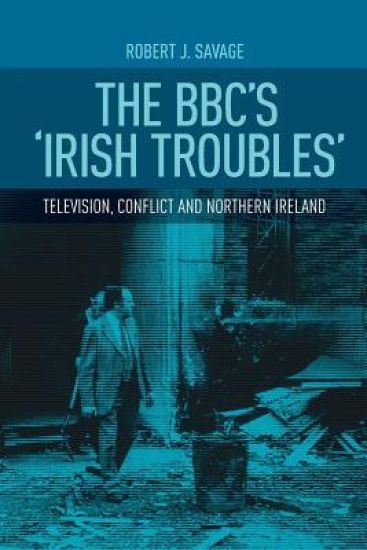
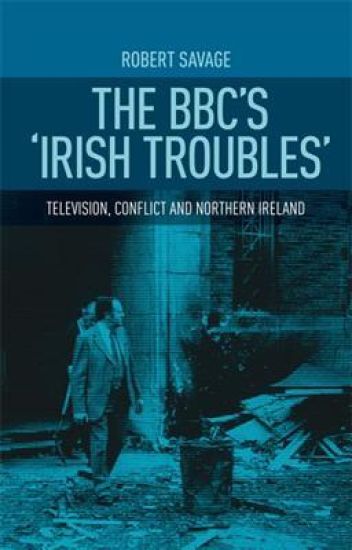
This book explores how news and information about the conflict in Northern Ireland was disseminated through the most accessible, powerful and popular form of media: television. It focuses on the BBC and considers how its broadcasts complicated the 'Troubles’ by challenging decisions, policies and tactics developed by governments trying to defeat a stubborn insurgency that threatened national security. The book uses highly original sources to consider how the BBC upset the efforts of a number of governments to control the narrative of a conflict that claimed over 3,500 lives and caused deep emotional scarring to thousands of people. Using recently released archival material from the BBC and a variety of government archives, the book addresses the contentious relationship between broadcasting officials, politicians, the army, police and civil service from the outbreak of violence throughout the 1980s.
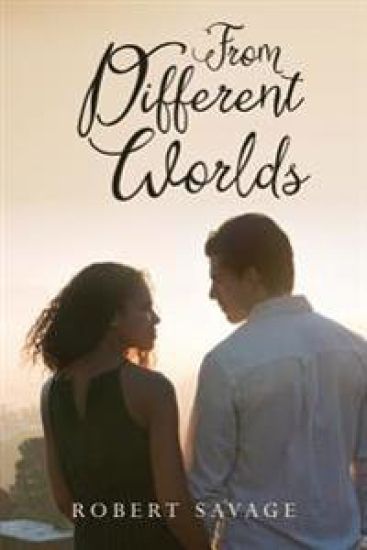
She has a beautiful daughter, a supportive circle of friends, and a handsome, successful fianc , Nick. To outsiders, it would seem like Crystal is living the perfect life. But when Nick accepts a promotion that would force them to move from her hometown of Jacksonville, Florida, to Houston, Texas, Crystal can't escape a lingering sense of doubt. Now she has the rest of the summer to pack up her old life and prepare for a new start-but is this guy she's ready to give everything up for really Mr. Right? When she meets a total stranger at a local park, it only adds to her confusion. A white-skinned loner with no real career ambitions, Adam could be considered Nick's polar opposite in every single way. But while the career-driven Nick prefers to buy affection, Adam is genuine and true-and he even hits it off with her daughter, Angel, right away. As the lives of these perfect strangers collide, they both must face difficult choices-as they each experience a growing sense of longing that transcends racial and socioeconomic lines. But will they manage to be honest about their true feelings, to themselves and each other, before it's too late?
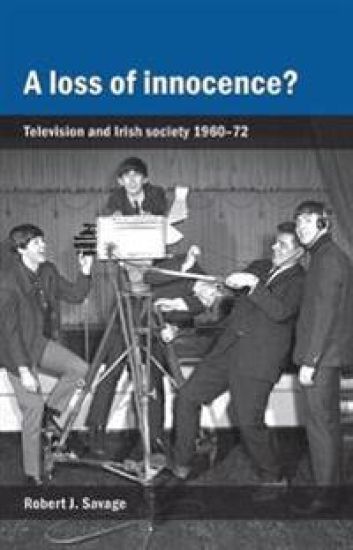
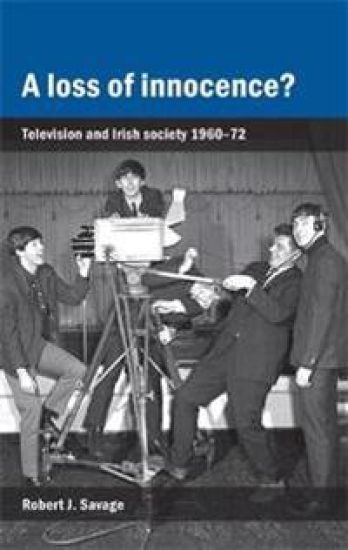
This book explores the evolution of Ireland’s national television service during its first tumultuous decade, addressing how the medium helped undermine the conservative political, cultural and social consensus that dominated Ireland into the 1960s. It also traces the development of the BBC and ITA in Northern Ireland, considering how television helped undermine a state that had long governed without consensus. Using a wide array of new archival sources and extensive interviews Savage illustrates how an increasingly confident television service upset political, religious and cultural elites who were profoundly uncomfortable with the changes taking place around them. Savage argues that during this period television was not a passive actor, but an active agent often times aggressively testing the limits of the medium and the patience of governments. Television helped facilitate a process of modernisation that slowly transformed Irish society during the 1960s. This book will be essential for those interested in contemporary Irish political and cultural history and readers interested in media history, and cultural studies.
This book explores how news and information about the conflict in Northern Ireland was disseminated through the most accessible, powerful and popular form of media: television. It focuses on the BBC and considers how its broadcasts complicated the 'Troubles’ by challenging decisions, policies and tactics developed by governments trying to defeat a stubborn insurgency that threatened national security. The book uses a wide array of highly original sources to consider how Britain’s public service broadcaster upset the efforts of a number of governments to control the narrative of a conflict that claimed over 3,500 lives and caused deep emotional scarring to thousands of citizens in Northern Ireland, Britain and the Irish Republic. Using recently released archival material from the BBC and a variety of government archives the book addresses the contentious relationship between broadcasting officials, politicians, the army, police and civil service from the outbreak of violence throughout the 1980s.
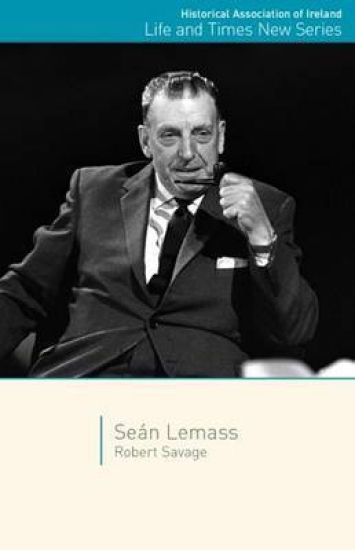
Sean Lemass is generally regarded as the man most responsible for the modernisation of Irish society. This book considers how Lemass evolved as a key figure in Fianna Fail governments and later to become one of the most influential leaders of twentieth-century Ireland. Professor Savage argues that by the time Lemass emerged out of the shadow of Eamon de Valera he had learned valuable lessons concerning the limitations of political power. By 1959 Lemass understood that principle sometimes had to be compromised to ensure the maintenance of political power. This short biography uses a wide array of resources to consider the policies he initiated during his long political career. It also addresses the relationships he developed with a number of institutions including the Government of Northern Ireland and the Catholic Church. This study considers how Lemass grappled with four critical issues during his tenure as Taoiseach. It explores how he tried to advance Ireland's moribund economy, and improve problematic relations with Northern Ireland, the British Government and the Catholic Church. What emerges is a portrait of a shrewd politician intent on moving Ireland forward as a modern, self-confident European nation.
This book explores the evolution of Ireland’s national television service during its first tumultuous decade, addressing how the medium helped undermine the conservative political, cultural and social consensus that dominated Ireland into the 1960s. It also traces the development of the BBC and ITA in Northern Ireland, considering how television helped undermine a state that had long governed without consensus. Using a wide array of new archival sources and extensive interviews Savage illustrates how an increasingly confident television service upset political, religious and cultural elites who were profoundly uncomfortable with the changes taking place around them. Savage argues that during this period television was not a passive actor, but an active agent often times aggressively testing the limits of the medium and the patience of governments. Television helped facilitate a process of modernisation that slowly transformed Irish society during the 1960s. This book will be essential for those interested in contemporary Irish political and cultural history and readers interested in media history, and cultural studies.
The first book-length study of Hölderlin's postwar reception and a case study of Germanistik. Toward the end of the Second World War, the works of the great German poet Friedrich Hölderlin were heavily exploited by Nazi propaganda as a source of spiritual strength for the war-weary German people. Once the fires had burnedout, scholars attempted to absolve Hölderlin of any responsibility for his wartime (mis)appropriation. Only a few saw that his work would have to be reread in the light of the iniquities that had been said and done in his name. This book examines how Hölderlin was taken up by three such thinkers, among the most influential and controversial of their time: Martin Heidegger, Theodor W. Adorno, and Bertolt Brecht. It extrapolates from their writings on the poet three irreconcilable paradigms of reception -- conversation, polemic, and citation -- that are of significance for the broader project of working through the tarnished German cultural legacy after 1945. In each case, Hölderlinis examined as the occasion for salvaging that legacy after, from, and in view of the catastrophe. This first full-length study of Hölderlin's postwar reception will be of interest to students and scholars working in the fields ofGerman literature, European philosophy, the politics of cultural memory, and critical theory. Robert Savage is ARC Postdoctoral Fellow in the Center for Comparative Literature and Cultural Studies, Monash University, Melbourne, Australia.