
Kirjojen hintavertailu – 12 859 818 kirjaa ja 27 kauppaa

Kirjailija

Robert Scollay

Kirjat ja teokset yhdessä paikassa: 2 kirjaa, julkaisuja vuosilta 2001–2010, suosituimpiin kuuluu Australia New Zealand Closer Economic Relations Trade Agreement (ANZCERTA) and Regional Integration. Vertaile teosten hintoja ja tarkista saatavuus suomalaisista kirjakaupoista.

2 kirjaa

Kirjojen julkaisuvuodet: 2001–2010.

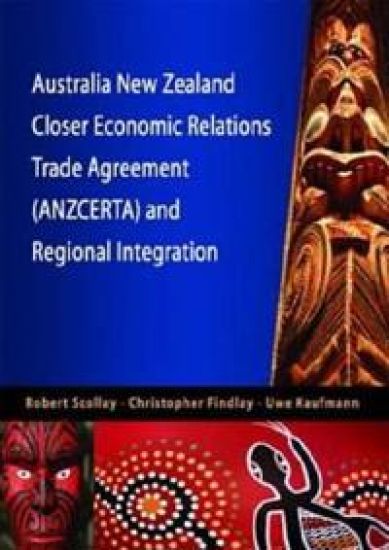
Australia New Zealand Closer Economic Relations Trade Agreement (ANZCERTA) and Regional Integration

Australia New Zealand Closer Economic Relations Trade Agreement (ANZCERTA) and Regional Integration

Robert Scollay; Christopher Findlay; Uwe Kaufmann

Institute of Southeast Asian Studies
2010
nidottu
The origins, evolution and impact of the Australia New Zealand Closer Economic Relations Trade Agreement are examined in this book. ANZCERTA is often referred to as a benchmark for trade agreements. Not only does the book examine the agreement and how it evolved, but it also provides lessons for others, particularly in ASEAN, as they work on regional bilateral economic relations. The special features of the Agreement are identified and its evolution is charted. Current debates are reviewed and assessments of its impact are discussed. Ten lessons for the designers of other agreements are presented.
New Regional Trading Arrangements in the Asia Pacific?

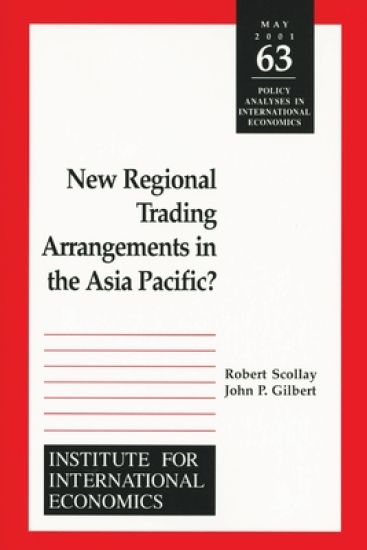
New Regional Trading Arrangements in the Asia Pacific?

Robert Scollay; John Gilbert

The Peterson Institute for International Economics
2001
nidottu
What are the choices the Asia-Pacific community will face if it proceeds further down the path of developing preferential regional trading arrangements? Fragmentation of the region into preferential trading arrangements on a bilateral or subregional basis promises relatively little economic gain and considerable risk of increased trade conflict. Larger preferential trading blocs, spanning the whole of East Asia, the Western Pacific, or the APEC membership, offer greater potential economic benefits but also face formidable political obstacles. In this study, Scollay and Gilbert weigh the economic consequences of the increased use of preferential trading arrangements in the Asia-Pacific region, whether these develop on the basis of trans-Pacific cooperation or solely within the East Asian or Western Pacific sub-regions. They evaluate the economic effects of both the existing proposals for new bilateral and multilateral agreements and of more far-reaching developments involving the creation of a substantial trading bloc or blocs in the region. Comparisons between the economic effects of establishing such bloc(s) in the region and the effects of achieving APEC's Bogor goals on the basis of "open regionalism" suggest that the latter approach continues to offer a worthwhile alternative. The study demonstrates that the benefits of global free trade dominate those available from establishment of any combination of major blocs or from APEC's "open regionalism".