
Kirjojen hintavertailu – 12 859 824 kirjaa ja 27 kauppaa

Kirjailija

Roberto P. Camagni

Kirjat ja teokset yhdessä paikassa: 2 kirjaa, julkaisuja vuosilta 2008–2010, suosituimpiin kuuluu Modelling Regional Scenarios for the Enlarged Europe. Vertaile teosten hintoja ja tarkista saatavuus suomalaisista kirjakaupoista.

2 kirjaa

Kirjojen julkaisuvuodet: 2008–2010.

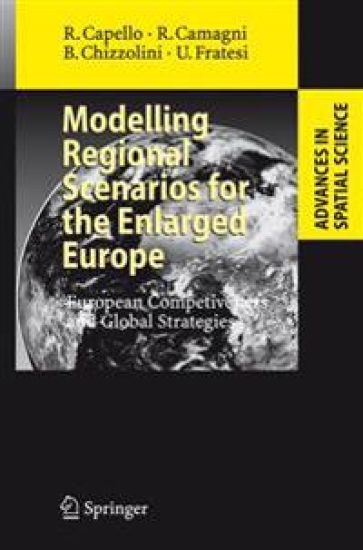
Modelling Regional Scenarios for the Enlarged Europe

Modelling Regional Scenarios for the Enlarged Europe

Roberta Capello; Roberto P. Camagni; Barbara Chizzolini; Ugo Fratesi

Springer-Verlag Berlin and Heidelberg GmbH Co. K
2010
nidottu
The aim of this book is to tackle the question of what the European territory will look like over the next fifteen years by providing quali-quantitative territorial scenarios for the enlarged Europe, under different assumptions on future globalisation strategies of BRIC (Brazil, Russia, India and China) and East and West European countries. The approach is as neutral as possible vis-à-vis the results, leaving to a new forecasting model, the MASST model, built by the authors, to produce the tendencies and behavioural paths of regional GDP and population growth in each individual European region under alternative assumptions on the competitiveness strategies of different blocks of countries. The results are accompanied by strong policy messages intended to encourage long-term strategic thinking among a wide range of actors, scientists and policy makers in response to the risks and opportunities that the European territory will face.
Modelling Regional Scenarios for the Enlarged Europe

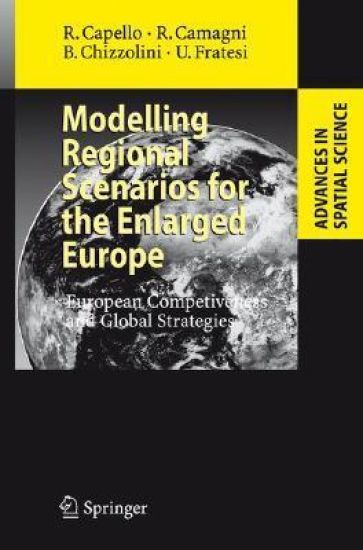
Modelling Regional Scenarios for the Enlarged Europe

Roberta Capello; Roberto P. Camagni; Barbara Chizzolini; Ugo Fratesi

Springer-Verlag Berlin and Heidelberg GmbH Co. K
2008
sidottu
The aim of this book is to tackle the question of what the European territory will look like over the next fifteen years by providing quali-quantitative territorial scenarios for the enlarged Europe, under different assumptions on future globalisation strategies of BRIC (Brazil, Russia, India and China) and East and West European countries. The approach is as neutral as possible vis-à-vis the results, leaving to a new forecasting model, the MASST model, built by the authors, to produce the tendencies and behavioural paths of regional GDP and population growth in each individual European region under alternative assumptions on the competitiveness strategies of different blocks of countries. The results are accompanied by strong policy messages intended to encourage long-term strategic thinking among a wide range of actors, scientists and policy makers in response to the risks and opportunities that the European territory will face.