
Kirjojen hintavertailu – 12 903 725 kirjaa ja 27 kauppaa

Kirjailija

Roberto Porzecanski

Kirjat ja teokset yhdessä paikassa: 2 kirjaa, julkaisuja vuodelta 2010, suosituimpiin kuuluu The Dragon in the Room. Vertaile teosten hintoja ja tarkista saatavuus suomalaisista kirjakaupoista.

2 kirjaa

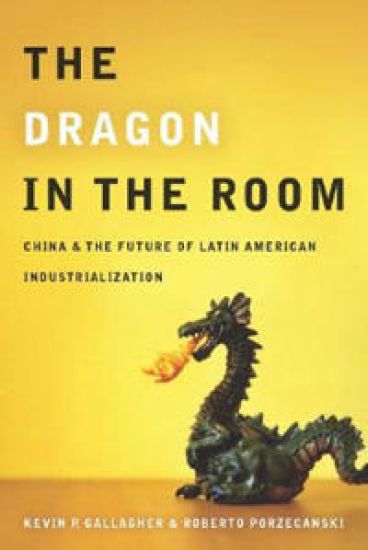
The Dragon in the Room

The Dragon in the Room

Kevin Gallagher; Roberto Porzecanski

Stanford University Press
2010
pokkari
In the eyes of many, China's unprecedented economic rise has brought nothing but good news to the countries of Latin America and the Caribbean. Indeed, China's growing appetite for primary products, and the ability of Latin America to supply that demand, has played a role in restoring growth in Latin America, both in the run-up to the global financial crisis and in its aftermath. The dragon in the room that few are talking about is the fact that China is simultaneously out-competing Latin American manufacturers in world markets—so much so that it may threaten the ability of the region to generate long-term economic growth. One of the authors' key claims is that China is rapidly building the technological capabilities necessary for industrial development, whereas Latin American tech innovation and sophistication lags considerably. At a deeper level, the findings in this volume imply that China's road to globalization, one that emphasizes gradualism and coordinated macro-economic and industrial policies, is far superior to the "Washington Consensus" route taken by most Latin American nations, particularly Mexico.
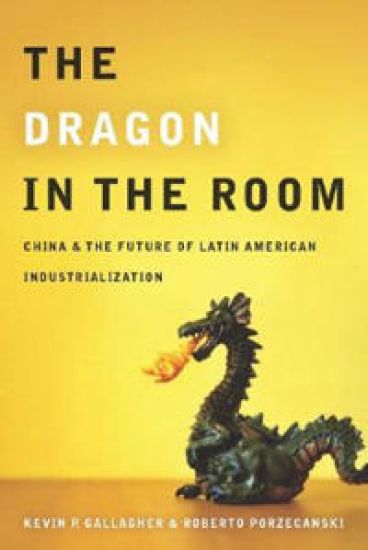
The Dragon in the Room

The Dragon in the Room

Kevin Gallagher; Roberto Porzecanski

Stanford University Press
2010
sidottu
In the eyes of many, China's unprecedented economic rise has brought nothing but good news to the countries of Latin America and the Caribbean. Indeed, China's growing appetite for primary products, and the ability of Latin America to supply that demand, has played a role in restoring growth in Latin America, both in the run-up to the global financial crisis and in its aftermath. The dragon in the room that few are talking about is the fact that China is simultaneously out-competing Latin American manufacturers in world markets—so much so that it may threaten the ability of the region to generate long-term economic growth. One of the authors' key claims is that China is rapidly building the technological capabilities necessary for industrial development, whereas Latin American tech innovation and sophistication lags considerably. At a deeper level, the findings in this volume imply that China's road to globalization, one that emphasizes gradualism and coordinated macro-economic and industrial policies, is far superior to the "Washington Consensus" route taken by most Latin American nations, particularly Mexico.