Kirjojen hintavertailu – 12 859 827 kirjaa ja 27 kauppaa
Kirjailija
Robin Carruthers
Kirjat ja teokset yhdessä paikassa: 4 kirjaa, julkaisuja vuosilta 2010–2018, suosituimpiin kuuluu Maritime Networks, Port Efficiency, and Hinterland Connectivity in the Mediterranean. Vertaile teosten hintoja ja tarkista saatavuus suomalaisista kirjakaupoista.
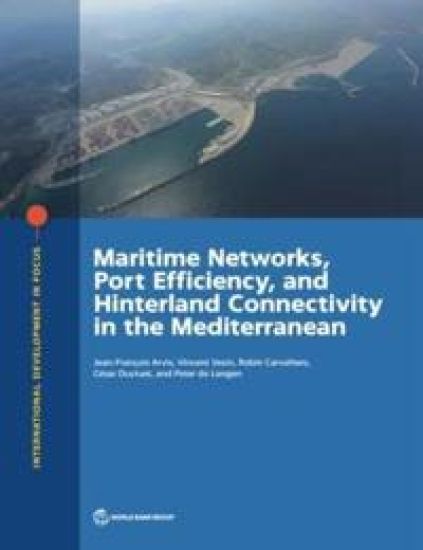
This book is a practical exploration of the three interdependent dimensions of trade connectivity in the Mediterranean: maritime networks, port efficiency, and hinterland connectivity. Understanding how trade connectivity works is important to policy makers concerned with the economic benefits of large investments in infrastructure.
Global trade moves along a few select high-density routes or corridors. Such routes have existed for several millennia, of which the Silk Road is the most famous. In fact, all regions of the world, developed and developing, have several trade and transport corridor initiatives. Such initiatives take even more importance for landlocked countries which depend on them to provide access to seaports in neighbouring countries, and through them, to overseas markets. Any weaknesses or inefficiencies in the performance of international trade corridors increase trade costs and impact the competitiveness of the affected countries. As a result, trade and transport facilitation projects designed around regional trade corridors are increasing. In some instances the projects involve at least two countries and include infrastructure development, improvement to logistics services, regulatory reforms in customs and border management, and institutional strengthening. Corridor projects can therefore be quite complex. Yet there is currently little or no clear guidance on what is needed to design effective corridor projects or to improve the performance of existing trade and transport corridors. This toolkit is designed to fill this gap by providing a concise yet comprehensive compilation of tools and techniques for the design, analysis, and improvement of trade and transport corridor design. The Toolkit also includes guidance on the major approaches to evaluating the impact of trade and transport corridors. The main target audience for the Toolkit are the task managers leading the design of corridor projects, policy makers involved in developing logistics strategies, and corridor service providers and users.
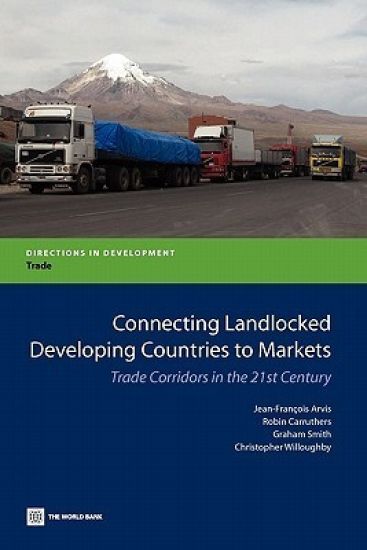
This book aims to help the policymaker and development community in general to understand the nature of the problems and policy dilemmas that landlocked countries face to trade with the rest of the World. This volume presents an important breakthrough in the literature, by focusing on a new conceptual framework that challenges the previous paradigm based on physical infrastructure and state-led access solutions, embodied in many treaties. By recognizing that the main access problems for landlocked countries occur in the territory of the transit country, this volume provides a new approach to understand the set of incentives that drive the political economy and shape the institutions governing goods' transit along corridors. Overall, the policy levers available to overcome these barriers are based on universally applied principles, recognizing the need for re-engineering current transit regimes which have been implemented with little success outside Europe. A risk-approach to border control and technology use, along with trust building between private operators and public agencies, all point toward the need to encourage and formally recognize higher-quality trucking companies. Meanwhile, other modes of transportation represent an alternative to road transit, but they also entail disadvantages, suggesting that their role is likely to remain limited to niche segments, specific commodities and exceptional market circumstances.
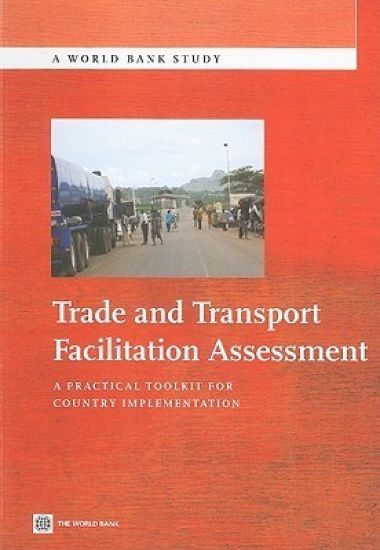
The Trade and Transport Facilitation Assessment (TTFA) is a tool for identifying inefficiencies in international supply chains that limit a country's ability to compete in international trade. The TTFA examines problems that affect not only exports competitiveness, but also the ability to import and distribute inputs to production and consumer goods. This new TTFA toolkit was developed to meet the growing demand for facilitation and logistics reforms in an environment of increasing global competition and expanded trade in intermediate goods. It reflects practical experience and the change in the nature of demand from developing countries. The TTFA focuses on simplification and harmonization of trade-related procedures and identifies the opportunities for improving logistics services, infrastructure, and the overall performance of specific supply chains. It also outlines practices to develop plans of action with proper interactions with government agencies and stakeholders.