Kirjojen hintavertailu – 12 903 725 kirjaa ja 27 kauppaa
Kirjailija
Robin D. Moore
Kirjat ja teokset yhdessä paikassa: 6 kirjaa, julkaisuja vuosilta 2006–2026, suosituimpiin kuuluu Giraffe Manor Wall Calendar 2027. Vertaile teosten hintoja ja tarkista saatavuus suomalaisista kirjakaupoista.
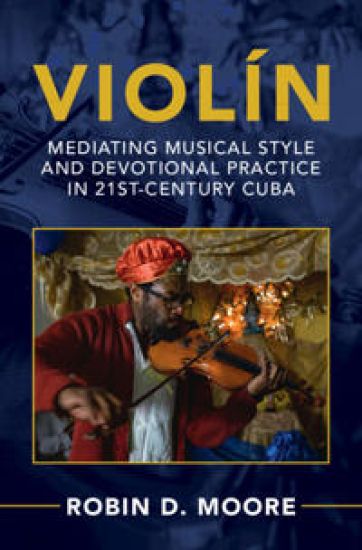
Afrodescendant religious music in the Caribbean and Latin America typically foregrounds drumming and centuries-old songs of praise to spirit deities. In recent years, a new form of worship, known as a violín or toque de violín, which features the violin alongside the guitar, electronic piano, and/or other instruments commonly associated with popular music, has gained popularity in Cuba. Violines can be understood as loosely defined spaces for performance that developed in a context of cultural oppression and dominance. They can be viewed as a concession to Eurocentric and secular tastes, or as a blackening/creolizing of those same practices, or both. They express religious faith in pluralistic ways, incorporating repertoire from various Black religions alongside influences from folk Catholicism, and classical, commercial, and folkloric music. Drawing from an encyclopedic knowledge of Cuban music, ethnographic work, and interviews, Robin D. Moore's groundbreaking book is the first to explore the compelling violín ceremony in detail.
Afrodescendant religious music in the Caribbean and Latin America typically foregrounds drumming and centuries-old songs of praise to spirit deities. In recent years, a new form of worship, known as a violín or toque de violín, which features the violin alongside the guitar, electronic piano, and/or other instruments commonly associated with popular music, has gained popularity in Cuba. Violines can be understood as loosely defined spaces for performance that developed in a context of cultural oppression and dominance. They can be viewed as a concession to Eurocentric and secular tastes, or as a blackening/creolizing of those same practices, or both. They express religious faith in pluralistic ways, incorporating repertoire from various Black religions alongside influences from folk Catholicism, and classical, commercial, and folkloric music. Drawing from an encyclopedic knowledge of Cuban music, ethnographic work, and interviews, Robin D. Moore's groundbreaking book is the first to explore the compelling violín ceremony in detail.
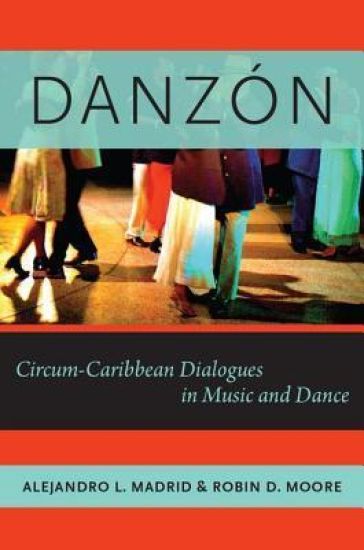
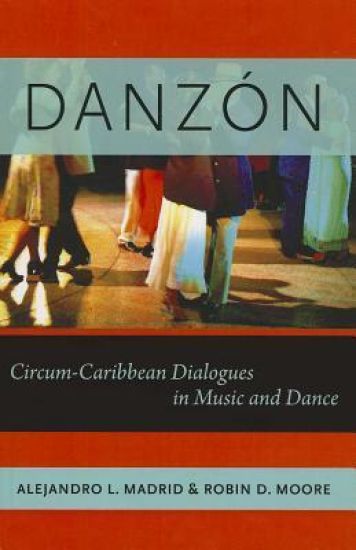
Initially branching out of the European contradance tradition, the danzón first emerged as a distinct form of music and dance among black performers in nineteenth-century Cuba. By the early twentieth-century, it had exploded in popularity throughout the Gulf of Mexico and Caribbean basin. A fundamentally hybrid music and dance complex, it reflects the fusion of European and African elements and had a strong influence on the development of later Latin dance traditions as well as early jazz in New Orleans. Danzón: Circum-Caribbean Dialogues in Music and Dance studies the emergence, hemisphere-wide influence, and historical and contemporary significance of this music and dance phenomenon. Co-authors Alejandro L. Madrid and Robin D. Moore take an ethnomusicological, historical, and critical approach to the processes of appropriation of the danzón in new contexts, its changing meanings over time, and its relationship to other musical forms. Delving into its long history of controversial popularization, stylistic development, glorification, decay, and rebirth in a continuous transnational dialogue between Cuba and Mexico as well as New Orleans, the authors explore the production, consumption, and transformation of this Afro-diasporic performance complex in relation to global and local ideological discourses. By focusing on interactions across this entire region as well as specific local scenes, Madrid and Moore underscore the extent of cultural movement and exchange within the Americas during the late nineteenth and early twentieth-centuries, and are thereby able to analyze the danzón, the dance scenes it has generated, and the various discourses of identification surrounding it as elements in broader regional processes. Danzón is a significant addition to the literature on Latin American music, dance, and expressive culture; it is essential reading for scholars, students, and fans of this music alike.
Initially branching out of the European contradance tradition, the danzón first emerged as a distinct form of music and dance among black performers in nineteenth-century Cuba. By the early twentieth-century, it had exploded in popularity throughout the Gulf of Mexico and Caribbean basin. A fundamentally hybrid music and dance complex, it reflects the fusion of European and African elements and had a strong influence on the development of later Latin dance traditions as well as early jazz in New Orleans. Danzón: Circum-Caribbean Dialogues in Music and Dance studies the emergence, hemisphere-wide influence, and historical and contemporary significance of this music and dance phenomenon. Co-authors Alejandro L. Madrid and Robin D. Moore take an ethnomusicological, historical, and critical approach to the processes of appropriation of the danzón in new contexts, its changing meanings over time, and its relationship to other musical forms. Delving into its long history of controversial popularization, stylistic development, glorification, decay, and rebirth in a continuous transnational dialogue between Cuba and Mexico as well as New Orleans, the authors explore the production, consumption, and transformation of this Afro-diasporic performance complex in relation to global and local ideological discourses. By focusing on interactions across this entire region as well as specific local scenes, Madrid and Moore underscore the extent of cultural movement and exchange within the Americas during the late nineteenth and early twentieth-centuries, and are thereby able to analyze the danzón, the dance scenes it has generated, and the various discourses of identification surrounding it as elements in broader regional processes. Danzón is a significant addition to the literature on Latin American music, dance, and expressive culture; it is essential reading for scholars, students, and fans of this music alike.
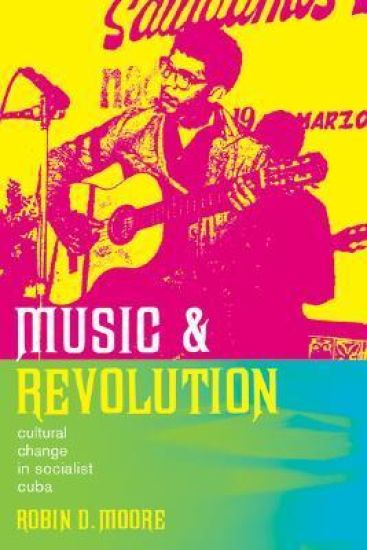
Music and Revolution provides a dynamic introduction to the most prominent artists and musical styles that have emerged in Cuba since 1959 and to the policies that have shaped artistic life. Robin D. Moore gives readers a chronological overview of the first decades after the Cuban Revolution, documenting the many ways performance has changed and emphasizing the close links between political and cultural activity. Offering a wealth of fascinating details about music and the milieu that engendered it, the author traces the development of dance styles, nueva trova, folkloric drumming, religious traditions, and other forms. He describes how the fall of the Soviet Union has affected Cuba in material, ideological, and musical terms and considers the effect of tense international relations on culture. Most importantly, Music and Revolution chronicles how the arts have become a point of negotiation between individuals, with their unique backgrounds and interests, and official organizations. It uses music to explore how Cubans have responded to the priorities of the revolution and have created spaces for their individual concerns. Copub: Center for Black Music Research