Kirjojen hintavertailu – 12 859 828 kirjaa ja 27 kauppaa

Kirjailija

Robin Kirkpatrick

Kirjat ja teokset yhdessä paikassa: 10 kirjaa, julkaisuja vuosilta 1978–2019, suosituimpiin kuuluu The Divine Comedy. Vertaile teosten hintoja ja tarkista saatavuus suomalaisista kirjakaupoista.

10 kirjaa

Kirjojen julkaisuvuodet: 1978–2019.

Mechanism of action of Electro-Chemically Activated Water

Mechanism of action of Electro-Chemically Activated Water

Robin Kirkpatrick

LAP Lambert Academic Publishing
2019
pokkari
The Electro-Chemically Activated (ECA) water technology and its capacity to produce distinct and differentiated energised water solutions was first described in the early 1950's. The technology was refined in the Moscow laboratory of Prof Bakhir et. al. and its near universal applications as a new generation disinfectant has flourished since the mid 1990's. Today, the ECA technology, as a safe and effective disinfectant and biofilm control remedy has gained global traction with multiple installations in high risk food, beverage factories and dental and medical institutions. Prior to the late 2000's, the definitive mechanisms of antimicrobial action of the ECA solutions had previously not been elucidated and reported on and this treatise on the ECA technology was collated to provide a benchmark of understanding to complement the burgeoning research efforts relating to the technology.
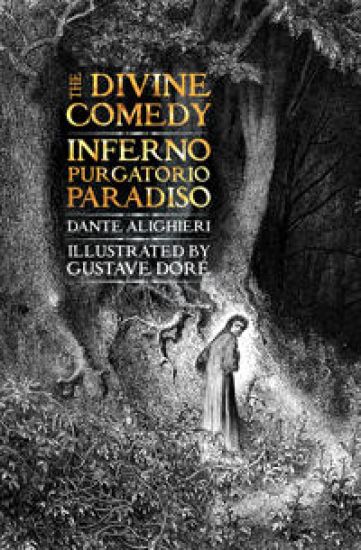
The Divine Comedy

The Divine Comedy

Dante Alighieri; Robin Kirkpatrick

Flame Tree Publishing
2018
sidottu

Halvin toimitettuna 24,40 €

Dante’s masterpiece of literature is well matched by the peerless art of Gustave Doré. Dante and his guides, Virgil and Beatrice, journey through the cantos in an allegory of the passage of the soul through the Afterlife, with the subtle engraving of Doré’s illustrations perfectly complementing the movement from darkness through to light. Flame Tree Gothic Fantasy, Classic Stories and Epic Tales collections bring together the entire range of myth, folklore, epic literature and modern short fiction. Highlighting the roots of suspense, supernatural, science fiction and mystery stories, the books in Flame Tree Collections series are beautifully presented, perfect as a gift and offer a lifetime of reading pleasure.
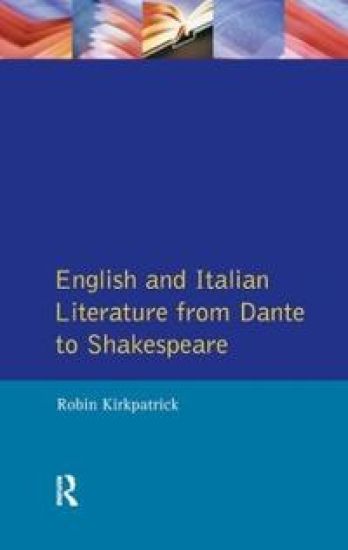
English and Italian Literature From Dante to Shakespeare
This is the first comprehensive critical comparison of English and Italian literature from the three centuries from Dante to Shakespeare. It begins by examining Chaucer's relationship with Dante, Petrarch and Boccaccio, and then looks at similar relationships within the areas of humanist education, lyric poetry, the epic, theatrical comedy, the short story and the pastoral drama. It provides a detailed comparison of major works from both traditions including descriptive and critical readings of Italian works. It shows why English writers valued such works and demonstrates the ways in which they departed from or tried to outdo the Italian original. Assuming no prior knowledge of Italy or Italian literary history, this book introduces the student and general reader to one of the most important and fascinating phases in European literary history.
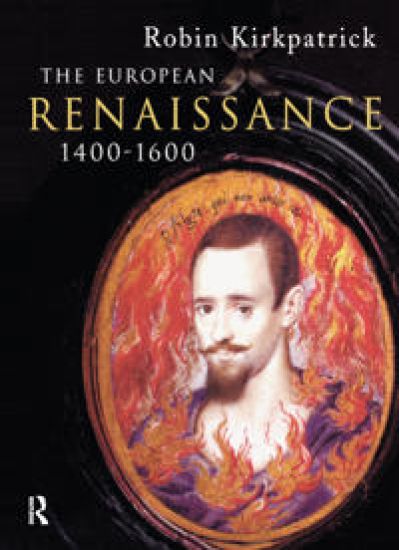
The European Renaissance 1400-1600

The European Renaissance 1400-1600

Robin Kirkpatrick

Routledge
2016
sidottu
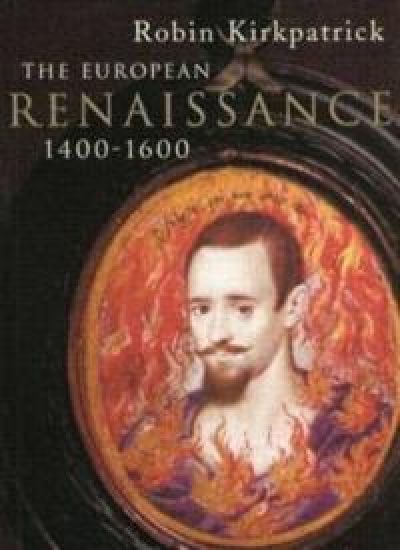
With Italy at its centre, but encompassing the whole of Renaissance Europe, this evocative history challenges some of the popularly-held views on the Renaissance period. In particular, whilst always acknowledging the brilliance and exhuberance of Renaissance culture, Robin Kirkpatrick draws equal attention to the strangeness and often unresolved tensions that lay beneath the surface of that culture. Insisting on a European rather than purely Italian viewpoint, he embraces Renaissance thinking and culture in all its diversity: from Northern thinkers such as Cusanus, Luther and Calvin, to the painting of Van der Weyden and El Greco, and the music of the Flemish musicians, Josquin des Prez and Orlando Lassus. Special attention is also paid to the unique contribution made by Margueritte of Navarre to the development of humanist culture. The book concludes with a study of Shakespeare in which his plays are viewed as a searching critique of some of the main principles of Renaissance culture.
Dante's Paradiso and the Limitations of Modern Criticism

Dante's Paradiso and the Limitations of Modern Criticism

Robin Kirkpatrick

Cambridge University Press
2011
pokkari
In this 1978 book, it is Dr Kirkpatrick's contention that critics have yet to present a satisfactory account of Dante's originality in the Paradiso. We shall best appreciate the Paradiso, he argues, if we recognise that poetry can not only dramatise thought, but also offer a thorough analysis of religious and philosophical belief. Considering Dante's own discussions of poetry and language in the Convivio and De Vulgari Eloquentia, Dr Kirkpatrick claims that, for Dante, direct and careful statement is itself a special responsibility of the poet. This attitude is shown in detail to conflict with a view that critics continue to derive from T. S. Eliot and from theoreticians such as Croce and Terracini, whereby poetic language is allowed only an expressive and imaginative function. Dr Kirkpatrick demonstrates how in practice Dante's adoption of analytical language influences the organisation of his poem and his handling of word and image.
Dante's Inferno

Dante's Inferno

Robin Kirkpatrick

Cambridge University Press
2008
pokkari
This book represents a major re-assessment of Dante's Inferno, and of the place which the Inferno occupies in the plan of the whole Commedia. On evidence drawn also from the Paradiso and Purgatorio, Dr Kirkpatrick argues that Dante's thinking and poetry are subject to far greater internal tension than is commonly supposed. He then proceeds to analyse each of the thirty-four cantos of the Inferno, and to relate each canto in turn to its thematic and narrative context. Throughout, Dr Kirkpatrick is particularly concerned with features of language and structure which scholars have tended to overlook in emphasising the philosophical character of Dante's poetry. And while he chooses, for the sake of clarity, to write in the accessible language of interpretative criticism, he continually stresses the extent to which advances in modern critical practice may usefully be brought to bear upon Dante's writing.
Dante: The Divine Comedy

Dante: The Divine Comedy

Robin Kirkpatrick

Cambridge University Press
2004
pokkari
In this accessible critical introduction to Dante’s Divine Comedy Robin Kirkpatrick principally focuses on Dante as a poet and storyteller. He addresses important questions such as Dante’s attitude towards Virgil, and demonstrates how an early work such as the Vita nuova is a principal source of the literary achievement of the Comedy. His detailed reading reveals how the great narrative poem explores the relationship that Dante believed to exist between God as creator of the universe and the human being as a creature of God. In addition, Kirkpatrick takes due account of the historical and philosophical dimensions of the poem.
The European Renaissance 1400-1600

The European Renaissance 1400-1600

Robin Kirkpatrick

Routledge
2001
nidottu
With Italy at its centre, but encompassing the whole of Renaissance Europe, this evocative history challenges some of the popularly-held views on the Renaissance period. In particular, whilst always acknowledging the brilliance and exhuberance of Renaissance culture, Robin Kirkpatrick draws equal attention to the strangeness and often unresolved tensions that lay beneath the surface of that culture. Insisting on a European rather than purely Italian viewpoint, he embraces Renaissance thinking and culture in all its diversity: from Northern thinkers such as Cusanus, Luther and Calvin, to the painting of Van der Weyden and El Greco, and the music of the Flemish musicians, Josquin des Prez and Orlando Lassus. Special attention is also paid to the unique contribution made by Margueritte of Navarre to the development of humanist culture. The book concludes with a study of Shakespeare in which his plays are viewed as a searching critique of some of the main principles of Renaissance culture.
English and Italian Literature From Dante to Shakespeare
This is the first comprehensive critical comparison of English and Italian literature from the three centuries from Dante to Shakespeare. It begins by examining Chaucer's relationship with Dante, Petrarch and Boccaccio, and then looks at similar relationships within the areas of humanist education, lyric poetry, the epic, theatrical comedy, the short story and the pastoral drama. It provides a detailed comparison of major works from both traditions including descriptive and critical readings of Italian works. It shows why English writers valued such works and demonstrates the ways in which they departed from or tried to outdo the Italian original. Assuming no prior knowledge of Italy or Italian literary history, this book introduces the student and general reader to one of the most important and fascinating phases in European literary history.
Dante's Paradiso and the Limitations of Modern Criticism

Dante's Paradiso and the Limitations of Modern Criticism

Robin Kirkpatrick

Cambridge University Press
1978
sidottu
In this 1978 book, it is Dr Kirkpatrick's contention that critics have yet to present a satisfactory account of Dante's originality in the Paradiso. We shall best appreciate the Paradiso, he argues, if we recognise that poetry can not only dramatise thought, but also offer a thorough analysis of religious and philosophical belief. Considering Dante's own discussions of poetry and language in the Convivio and De Vulgari Eloquentia, Dr Kirkpatrick claims that, for Dante, direct and careful statement is itself a special responsibility of the poet. This attitude is shown in detail to conflict with a view that critics continue to derive from T. S. Eliot and from theoreticians such as Croce and Terracini, whereby poetic language is allowed only an expressive and imaginative function. Dr Kirkpatrick demonstrates how in practice Dante's adoption of analytical language influences the organisation of his poem and his handling of word and image.