
Kirjojen hintavertailu – 12 903 725 kirjaa ja 27 kauppaa

Kirjailija

Roger Dalrymple

Kirjat ja teokset yhdessä paikassa: 3 kirjaa, julkaisuja vuosilta 2020–2025, suosituimpiin kuuluu The Idea of Education in Golden Age Detective Fiction. Vertaile teosten hintoja ja tarkista saatavuus suomalaisista kirjakaupoista.

3 kirjaa

Kirjojen julkaisuvuodet: 2020–2025.

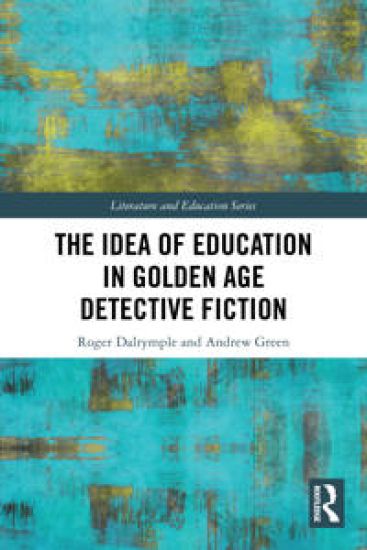
The Idea of Education in Golden Age Detective Fiction

The Idea of Education in Golden Age Detective Fiction

Roger Dalrymple; Andrew Green

TAYLOR FRANCIS LTD
2025
nidottu
This book presents an exploration of how Golden Age detective fiction encounters educational ideas, particularly those forged by the transformative educational policymaking of the interwar period. Charting the educational policy and provision of the era, and referring to works by Agatha Christie, Dorothy L. Sayers, Edmund Crispin and others, this book explores the educational capacity and agency of literary detectives, the learning spaces of the genre and the kinds of knowledge that are made available to inquirers both inside and outside the text. It is argued that the genre explores a range of contemporaneous propositions on the balance between academic curriculum and practicum, length of school life and the value of lifelong learning. This book’s closing chapter considers the continuing pedagogic value for contemporary classrooms of engaging with the genre as a rich discursive and imaginative space for exploring educational ideas. Framing Golden Age detective fiction as a genre profoundly concerned with learning, this book will be highly relevant reading for academics, postgraduate students and scholars involved in the fields of English language arts, twentieth-century literature and the theories of learning more broadly. Those interested in detective fiction and interdisciplinary literary studies will also find the volume of interest.
The Idea of Education in Golden Age Detective Fiction

The Idea of Education in Golden Age Detective Fiction

Roger Dalrymple; Andrew Green

TAYLOR FRANCIS LTD
2024
sidottu
This book presents an exploration of how Golden Age detective fiction encounters educational ideas, particularly those forged by the transformative educational policymaking of the interwar period. Charting the educational policy and provision of the era, and referring to works by Agatha Christie, Dorothy L. Sayers, Edmund Crispin and others, this book explores the educational capacity and agency of literary detectives, the learning spaces of the genre and the kinds of knowledge that are made available to inquirers both inside and outside the text. It is argued that the genre explores a range of contemporaneous propositions on the balance between academic curriculum and practicum, length of school life and the value of lifelong learning. This book’s closing chapter considers the continuing pedagogic value for contemporary classrooms of engaging with the genre as a rich discursive and imaginative space for exploring educational ideas. Framing Golden Age detective fiction as a genre profoundly concerned with learning, this book will be highly relevant reading for academics, postgraduate students and scholars involved in the fields of English language arts, twentieth-century literature and the theories of learning more broadly. Those interested in detective fiction and interdisciplinary literary studies will also find the volume of interest.
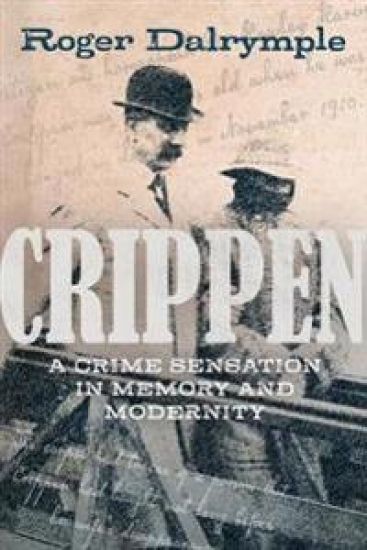
Crippen

Crippen

Roger Dalrymple

The Boydell Press
2020
sidottu
How did the case of the 'mild mannered murderer', Hawley Harvey Crippen, come to have such an enduring cultural resonance? Almost as notorious as Jack the Ripper, US citizen and homeopath Dr Hawley Harvey Crippen was forty-eight years old when he was hanged in London in November 1910 for the murder and mutilation of his wife. When Cora Crippen vanished in February 1910, he claimed that she had returned to the United States. Yet the discovery of a dismembered body, buried beneath the cola cellar of their house, and Crippen's attempt to flee to Canada with his cross-dressed mistress exposed and convicted him. The case aroused enormous public interest at the time, and it has remained in the popular imagination ever since, memorialised in crime history, fiction, film and even musical theatre. As late as 2007, some American academics were claiming that the dead body was not Cora's and that Crippen was in fact innocent. This book aims to account for the endurance of the Dr Crippen murder case in the cultural imagination. Highlighting the case's disruptive blending of cultural traditions, it discusses historical precedents, analyses diverse literary traditions, looks at broadside balladry and music-hall repertoire and addresses queer theory discourses. The book shows how the case, part throwback to earlier crime sensations and part presage of a new understanding of criminality, represents a watershed in the representation of criminality and played a distinctive role in the development of crime fiction.