Kirjojen hintavertailu – 12 859 818 kirjaa ja 27 kauppaa

Kirjailija

Roger Leech

Kirjat ja teokset yhdessä paikassa: 3 kirjaa, julkaisuja vuosilta 2014–2025, suosituimpiin kuuluu The Romano-British villa and prehistoric settlement at Low Ham, Somerset. Vertaile teosten hintoja ja tarkista saatavuus suomalaisista kirjakaupoista.

3 kirjaa

Kirjojen julkaisuvuodet: 2014–2025.

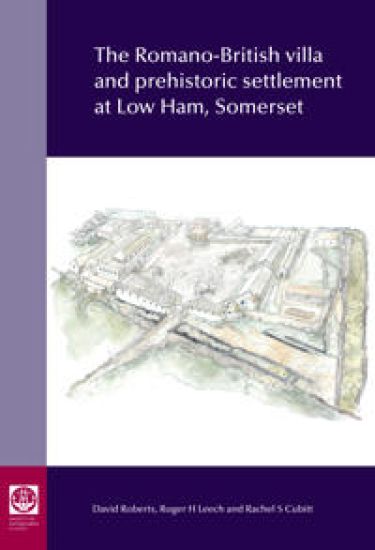
The Romano-British villa and prehistoric settlement at Low Ham, Somerset

The Romano-British villa and prehistoric settlement at Low Ham, Somerset

Roger Leech; David Roberts; Rachel Cubitt

Society of Antiquaries of London
2025
sidottu
This volume comprises full publication of the villa at Low Ham in Somerset, UK, bringing together for the first time reports on the multiple pieces of research undertaken over the past 80 years. Originally discovered in 1945 and famous for its ‘Dido and Aeneas’ mosaic, work by HSL Dewar and C Ralegh Radford revealed substantial sections of what is now known to be a large courtyard villa, however their drafted report was never published. RH Leech carried out landscape and aerial research into the site in the 1970s, and following geophysical survey, D Roberts supervised further excavation work in 2018 on behalf of Historic England. Here, Leech reviews the work of the 1940s, and together with Roberts produces an integrated narrative of the villa structure. Roberts contextualises both the villa and its newly discovered prehistoric antecedents in the wider landscape and the Somerset region. Cubitt considers the material culture of the villa, bringing together specialist reports on all the finds and environmental evidence, including previously unpublished material from the 1940s.
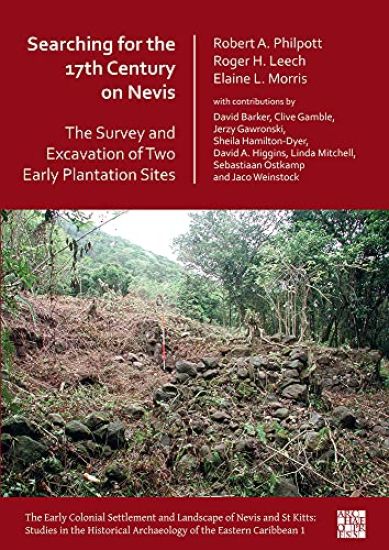
Searching for the 17th Century on Nevis: The Survey and Excavation of Two Early Plantation Sites
Searching for the 17th Century on Nevis is the first of a series of monographs dedicated to the archaeological investigation of the landscape, buildings and artefacts of the Eastern Caribbean by the Nevis Heritage Project. This volume presents the results of documentary research and excavation on two sugar plantation sites on the island of Nevis. Upper Rawlins, located high on Nevis mountain, was occupied in the late 17th and early 18th century and abandoned early. Fenton Hill was occupied from the mid-17th to the mid-19th century and originated with an earthfast timber building, probably a dwelling house, later converted to a kitchen and encapsulated in stone about 1700. The adjacent main house was probably destroyed in the French raid of 1706 and rebuilt in timber. The final occupation was by Portuguese Madeiran labourers, who were introduced to fill a labour force shortage in the 1840s. Detailed reports on the finds assemblage include discussions of the handmade, bonfired Afro-Caribbean pottery made by enslaved African women, imported European ceramics and glass, clay tobacco pipes, metalwork and building materials. The dominance of imported goods from south-western England demonstrates the strong mercantile links between Nevis and Bristol, but local Nevis production of ceramics adds new insights into the estatebased ceramic production on European lines.
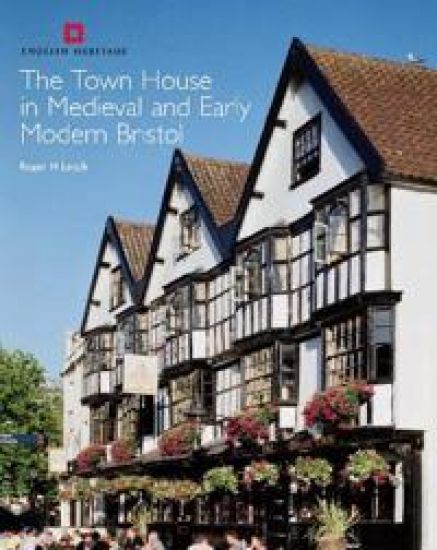
The Town House in Medieval and Early Modern Bristol
This study, covering the period c.1000 to c.1800 AD, is of the medieval and early modern houses of Bristol, England’s second city in the later middle ages and again in the 18th century. Based partly on the survey of surviving early buildings, the study also makes extensive use of documentary evidence and records of houses now demolished to analyse how town houses reveal the social structure and aspirations of Bristol’s citizens in this period. The development of the town and city in the medieval and the early modern period is examined, then aspects of life on the urban tenement plot. The principal house types of the medieval period are fully explored, showing the aspirations and separate identity of the urban elite in the largest of such houses. Changes to existing houses and the emergence of socially distinct neighbourhoods all serve to underline differences in life style and status. Similar houses in North America and the West Indies underline Bristol’s pre-eminent position as a commercial city on the Atlantic rim in the 17th and 18th centuries. This book demonstrates the possibilities for using documentary and physical evidence to reconstruct the fabric of a city and the social character of its different parts. Particularly important is the development of a new way of looking at medieval and early modern urban housing, focusing specifically on the relationships between different building types and changes in building forms, both of which reveal the complex character of an evolving commercial city.