Kirjojen hintavertailu – 12 903 725 kirjaa ja 27 kauppaa

Kirjailija

Roger Luckhurst

Kirjat ja teokset yhdessä paikassa: 30 kirjaa, julkaisuja vuosilta 1999–2025, suosituimpiin kuuluu Best British Short Stories 2025. Vertaile teosten hintoja ja tarkista saatavuus suomalaisista kirjakaupoista.

30 kirjaa

Kirjojen julkaisuvuodet: 1999–2025.

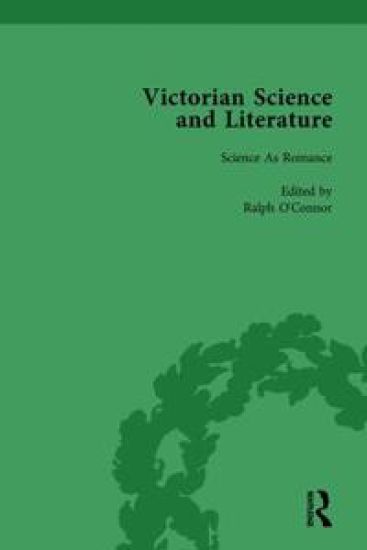
Victorian Science and Literature, Part II vol 7

Victorian Science and Literature, Part II vol 7

Gowan Dawson; Bernard Lightman; Claire Brock; Marwa Elshakry; Sujit Sivasundaram; Ralph O'Connor; Roger Luckhurst; Justin Sausman

Routledge
2012
sidottu
This eight-volume, reset edition in two parts collects rare primary sources on Victorian science, literature and culture. The sources cover both scientific writing that has an aesthetic component – what might be called 'the literature of science' – and more overtly literary texts that deal with scientific matters.
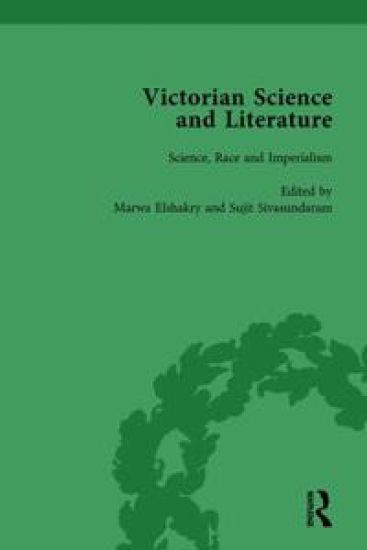
Victorian Science and Literature, Part II vol 6

Victorian Science and Literature, Part II vol 6

Gowan Dawson; Bernard Lightman; Claire Brock; Marwa Elshakry; Sujit Sivasundaram; Ralph O'Connor; Roger Luckhurst; Justin Sausman

Routledge
2012
sidottu
This eight-volume, reset edition in two parts collects rare primary sources on Victorian science, literature and culture. The sources cover both scientific writing that has an aesthetic component – what might be called 'the literature of science' – and more overtly literary texts that deal with scientific matters.
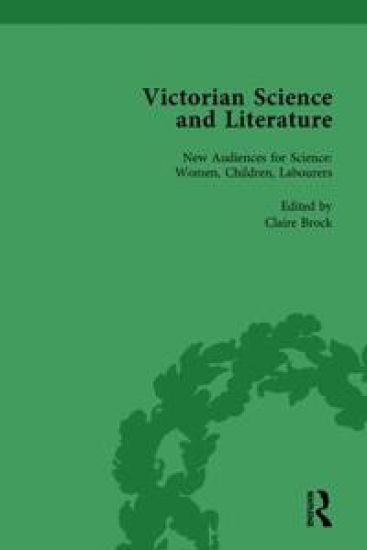
Victorian Science and Literature, Part II vol 5

Victorian Science and Literature, Part II vol 5

Gowan Dawson; Bernard Lightman; Claire Brock; Marwa Elshakry; Sujit Sivasundaram; Ralph O'Connor; Roger Luckhurst; Justin Sausman

Routledge
2012
sidottu
This eight-volume, reset edition in two parts collects rare primary sources on Victorian science, literature and culture. The sources cover both scientific writing that has an aesthetic component – what might be called 'the literature of science' – and more overtly literary texts that deal with scientific matters.
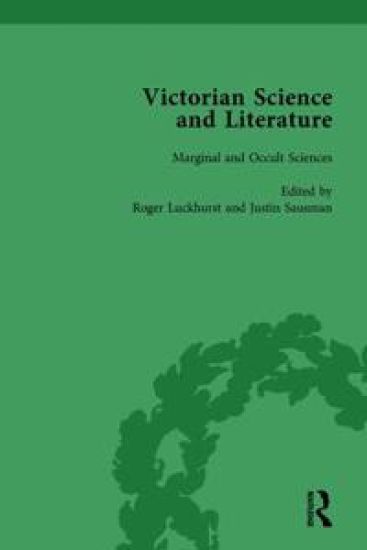
Victorian Science and Literature, Part II vol 8

Victorian Science and Literature, Part II vol 8

Gowan Dawson; Bernard Lightman; Claire Brock; Marwa Elshakry; Sujit Sivasundaram; Ralph O'Connor; Roger Luckhurst; Justin Sausman

Routledge
2012
sidottu
This eight-volume, reset edition in two parts collects rare primary sources on Victorian science, literature and culture. The sources cover both scientific writing that has an aesthetic component – what might be called 'the literature of science' – and more overtly literary texts that deal with scientific matters.

The Trauma Question

The Trauma Question

Roger Luckhurst

Routledge
2008
sidottu
In this book, Roger Luckhurst both introduces and advances the fields of cultural memory and trauma studies, tracing the ways in which ideas of trauma have become a major element in contemporary Western conceptions of the self. The Trauma Question outlines the origins of the concept of trauma across psychiatric, legal and cultural-political sources from the 1860s to the coining of Post-Traumatic Stress Disorder in 1980. It further explores the nature and extent of ‘trauma culture’ from 1980 to the present, drawing upon a range of cultural practices from literature, memoirs and confessional journalism through to photography and film. The study covers a diverse range of cultural works, including writers such as Toni Morrison, Stephen King and W. G. Sebald, artists Tracey Emin, Christian Boltanski and Tracey Moffatt, and film-makers David Lynch and Atom Egoyan. The Trauma Question offers a significant and fascinating step forward for those seeking a greater understanding of the controversial and ever-expanding field of trauma research.
The Trauma Question

The Trauma Question

Roger Luckhurst

Routledge
2008
nidottu
In this book, Roger Luckhurst both introduces and advances the fields of cultural memory and trauma studies, tracing the ways in which ideas of trauma have become a major element in contemporary Western conceptions of the self. The Trauma Question outlines the origins of the concept of trauma across psychiatric, legal and cultural-political sources from the 1860s to the coining of Post-Traumatic Stress Disorder in 1980. It further explores the nature and extent of ‘trauma culture’ from 1980 to the present, drawing upon a range of cultural practices from literature, memoirs and confessional journalism through to photography and film. The study covers a diverse range of cultural works, including writers such as Toni Morrison, Stephen King and W. G. Sebald, artists Tracey Emin, Christian Boltanski and Tracey Moffatt, and film-makers David Lynch and Atom Egoyan. The Trauma Question offers a significant and fascinating step forward for those seeking a greater understanding of the controversial and ever-expanding field of trauma research.
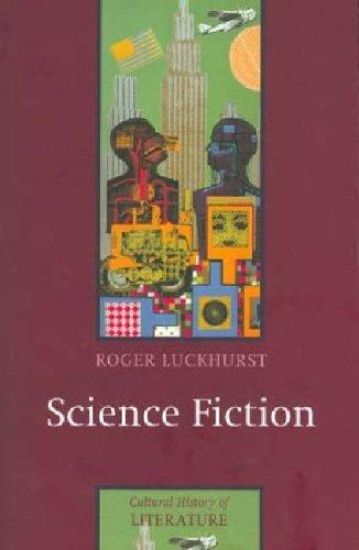
Science Fiction

Science Fiction

Roger Luckhurst

Polity Press
2005
nidottu
In this new and timely cultural history of science fiction, Roger Luckhurst examines the genre from its origins in the late nineteenth century to its latest manifestations. The book introduces and explicates major works of science fiction literature by placing them in a series of contexts, using the history of science and technology, political and economic history, and cultural theory to develop the means for understanding the unique qualities of the genre. Luckhurst reads science fiction as a literature of modernity. His astute analysis examines how the genre provides a constantly modulating record of how human embodiment is transformed by scientific and technological change and how the very sense of self is imaginatively recomposed in popular fictions that range from utopian possibility to Gothic terror. This highly readable study charts the overlapping yet distinct histories of British and American science fiction, with commentary on the central authors, magazines, movements and texts from 1880 to the present day. It will be an invaluable guide and resource for all students taking courses on science fiction, technoculture and popular literature, but will equally be fascinating for anyone who has ever enjoyed a science fiction book.
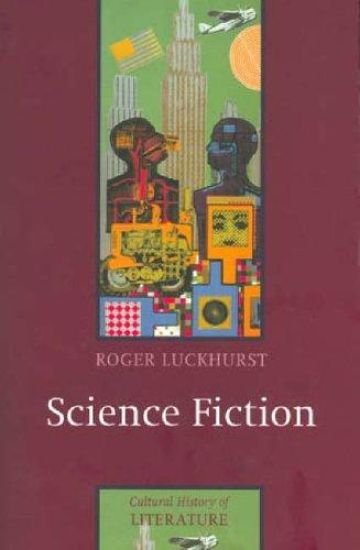
Science Fiction

Science Fiction

Roger Luckhurst

Polity Press
2005
sidottu
In this new and timely cultural history of science fiction, Roger Luckhurst examines the genre from its origins in the late nineteenth century to its latest manifestations. The book introduces and explicates major works of science fiction literature by placing them in a series of contexts, using the history of science and technology, political and economic history, and cultural theory to develop the means for understanding the unique qualities of the genre. Luckhurst reads science fiction as a literature of modernity. His astute analysis examines how the genre provides a constantly modulating record of how human embodiment is transformed by scientific and technological change and how the very sense of self is imaginatively recomposed in popular fictions that range from utopian possibility to Gothic terror. This highly readable study charts the overlapping yet distinct histories of British and American science fiction, with commentary on the central authors, magazines, movements and texts from 1880 to the present day. It will be an invaluable guide and resource for all students taking courses on science fiction, technoculture and popular literature, but will equally be fascinating for anyone who has ever enjoyed a science fiction book.
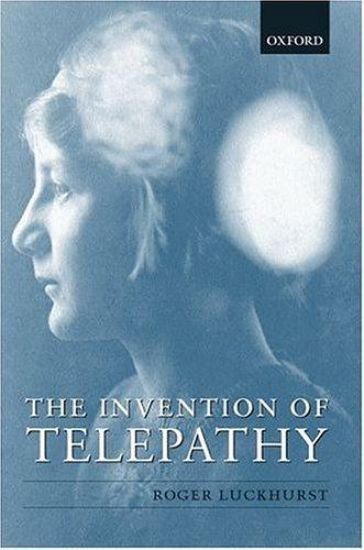
The Invention of Telepathy

The Invention of Telepathy

Roger Luckhurst

Oxford University Press
2002
sidottu
This work explores one of the enduring concepts to emerge from the late-19th-century. It investigates questions surrounding telepathy in an accessible study that mixes history of science with cultural history and literary analysis.
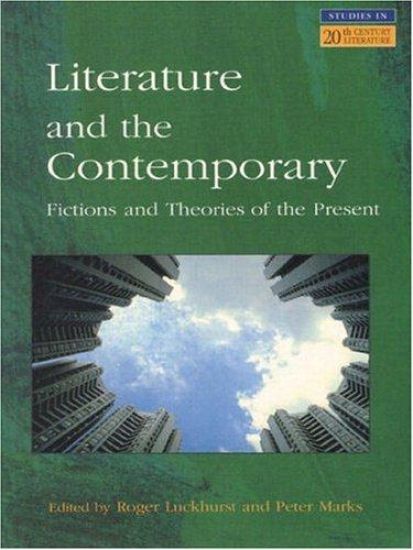
Literature and The Contemporary

Literature and The Contemporary

Roger Luckhurst

Routledge
1999
nidottu
At the end of the century, much criticism has become devoted to `last things': the end of history, the end of the subject, the end of the novel, the end, even, of the end. Literature and the Contemporary, in contrast, aims to provide through twelve essays evidence of the way in which the literature of the 1990s is constantly engaging in questions of memory and history and the representation of time in the present day. The essays in the book survey theories of temporality from various cultural and philosophical standpoints, and represent critics writing from feminist, postcolonial and `queer' perspectives discussing literature in `our time'. The collection addresses such central issues as the politics of memory, colonial legacies, women's time, racial and sexual identities in the 1990s, and covers a wide range of contemporary authors, works and issues, some of which are treated for the first time. Among the contemporary works discussed are the prize-winning books Graham Swift's Last Orders, Anne Michaels' Fugitive Pieces, and Jane Smiley's A Thousand Acres. While discussing some of the most significant novels of the 1990s, this collection also offers a diverse yet cohesive critique of the millennial leanings of much `postmodernist' criticism, which it argues should be replaced by more variously nuanced engagements with literature and the contemporary.