Kirjojen hintavertailu – 12 903 725 kirjaa ja 27 kauppaa

Kirjailija

Roland G. Ruppenthal

Kirjat ja teokset yhdessä paikassa: 6 kirjaa, julkaisuja vuosilta 2012–2015, suosituimpiin kuuluu Logistical Support of the Armies, V2: September 1944 to May 1945. Vertaile teosten hintoja ja tarkista saatavuus suomalaisista kirjakaupoista.

6 kirjaa

Kirjojen julkaisuvuodet: 2012–2015.

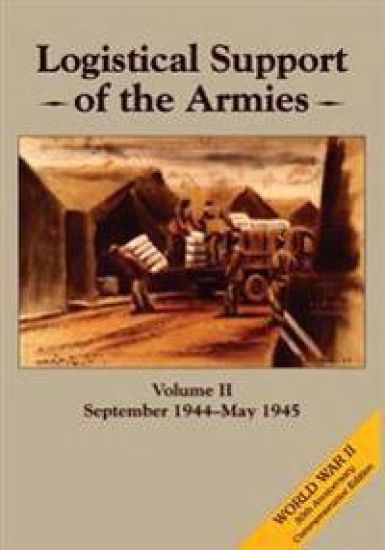
Logistical Support of the Armies: Volume II: September 1944-May 1945

Logistical Support of the Armies: Volume II: September 1944-May 1945

Roland G. Ruppenthal

Createspace Independent Publishing Platform
2015
nidottu
This volume completes the story of the logistic support of U. S. forces in the European theater, carrying the account forward from mid-September 1944 to the end of hostilities in May 1945. It follows the pattern, established in "Logistical Support of the Armies, Volume I", of focusing on the influence which logistical support or lack of it had on the planning and the conduct of tactical operations. The inclination consequently has been to concentrate on the problem areas in logistic support, such as port discharge and transportation difficulties, and supply and manpower shortages. It is as important a book for combat commanders as for those who have to plan and execute logistical operations. It will leave the nonmilitary reader in no doubt of the enormous weight and complexity of the administrative burden that the Army had to assume to assure the success of its ground and air forces, and the resourcefulness with which it managed that burden. On the other hand, those who have to think about the future can here study a test of the principle of a single service of supply supporting the national element of allied forces under a coalition headquarters and a supreme allied commander.
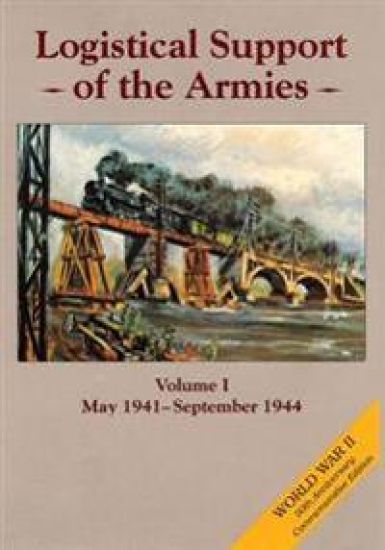
Logistical Support of the Armies: Volume I: May 1941-September 1944

Logistical Support of the Armies: Volume I: May 1941-September 1944

Roland G. Ruppenthal

Createspace Independent Publishing Platform
2015
nidottu
(Includes maps) In all the extensive literature of military history there are but few volumes devoted to the study of logistics. Although the rationalization of army supply is fairly old in the history of warfare the written record normally has been confined to the exposition, in field service regulations and manuals, of how supply, evacuation, and troop movement should be organized, rather than the narrative account of what actually happened in the course of wars and campaigns. The term "logistics" is itself of recent coinage. During World War I, it was confined chiefly to French lexicons, and it remained for World War II and for the American armed forces to give the term meaning and wide usage. Even so the definition of "logistics" is subject to wide variations. As used in the present volume the term covers the supply of armies in the field and the movement of troops to the combat zone. Little attention is given the evacuation of the wounded since other Army historians will tell this story. When plans were made for writing a series of volumes dealing with U. S. Army operations in the European theater during World War II, the importance of the logistical support given the armies in the field literally forced this subject upon those planning the series. It was decided that the story of logistics could not be treated as an appendage within the various volumes dealing with combat operations but would have to be told in the form of a sustained and independent narrative moving from ports and beaches forward to the combat zone. Months of research led to the conclusion that the complexity and scope of logistical history demanded more than a single volume. This volume is the first of two entitled "Logistical Support of the Armies". It is intended that the history herein recounted stand by itself as the complete story of supply operations in Europe. But the thoughtful reader will find his understanding and appreciation of the role of logistics enhanced by referring also to those volumes in the European series which deal with the high command and combat operations.
Logistical Support of the Armies, V1: May, 1941 to September, 1944

Logistical Support of the Armies, V1: May, 1941 to September, 1944

Roland G. Ruppenthal; Orlando Ward; Hugh M. Cole

Literary Licensing, LLC
2013
sidottu
Logistical Support of the Armies, Volume 1: May 1941 to September 1944 is a detailed account of the logistical operations of the United States Army during World War II. Written by Roland G. Ruppenthal, a former historian for the U. S. Army, this book covers the period from the beginning of the war in Europe to the end of the Normandy campaign. The book provides a comprehensive overview of the logistical challenges faced by the U. S. Army during this period, including the transportation of troops, equipment, and supplies across the Atlantic, the establishment of supply depots and logistics bases in Europe, and the management of supply chains to ensure that troops had the resources they needed to fight. Ruppenthal draws on a wide range of sources, including official Army records, personal accounts from soldiers and officers, and contemporary news reports, to provide a detailed and engaging narrative of the logistical operations of the U. S. Army during this critical period of the war. This book will be of interest to anyone interested in military history, logistics, or the history of World War II. It is a valuable resource for scholars, students, and anyone interested in understanding the challenges and complexities of modern warfare. United States Army In World War II, The European Theater Of Operations. This scarce antiquarian book is a facsimile reprint of the old original and may contain some imperfections such as library marks and notations. Because we believe this work is culturally important, we have made it available as part of our commitment for protecting, preserving, and promoting the world's literature in affordable, high quality, modern editions, that are true to their original work.
Logistical Support of the Armies, V2: September 1944 to May 1945

Logistical Support of the Armies, V2: September 1944 to May 1945

Roland G. Ruppenthal; R. W. Stephens

Literary Licensing, LLC
2012
sidottu
Logistical Support of the Armies, Volume 2: September 1944 to May 1945 is a historical account of the logistical operations that supported the Allied armies during the final stages of World War II in Europe. Written by Roland G. Ruppenthal, a former Chief Historian of the United States Army, the book provides a comprehensive overview of the complex and challenging logistics involved in supplying and sustaining the armies during this critical period. The book covers a wide range of topics related to logistical support, including transportation, supply, maintenance, medical services, and personnel management. It also explores the challenges of operating in a war-torn and resource-constrained environment, as well as the innovative solutions that were developed to overcome these challenges. Throughout the book, Ruppenthal draws on a wealth of primary sources, including official records, personal accounts, and interviews with veterans. He provides detailed descriptions of key logistical operations, such as the supply of fuel and ammunition, the evacuation of wounded soldiers, and the movement of troops and equipment across Europe. Logistical Support of the Armies, Volume 2 is a valuable resource for anyone interested in the history of World War II or the logistics of military operations. It provides a unique perspective on the critical role that logistics played in the Allied victory in Europe, and offers insights into the challenges and complexities of modern military logistics. In Two Volumes. Volume 1, May, 1941 To September, 1944; Volume 2, September, 1944 To May, 1945. United States Army In World War II, The European Theater Of Operations. This scarce antiquarian book is a facsimile reprint of the old original and may contain some imperfections such as library marks and notations. Because we believe this work is culturally important, we have made it available as part of our commitment for protecting, preserving, and promoting the world's literature in affordable, high quality, modern editions, that are true to their original work.