
Kirjojen hintavertailu – 12 859 819 kirjaa ja 27 kauppaa

Kirjailija

Roland Sintos Coloma

Kirjat ja teokset yhdessä paikassa: 2 kirjaa, julkaisuja vuodelta 2012, suosituimpiin kuuluu Filipinos in Canada. Vertaile teosten hintoja ja tarkista saatavuus suomalaisista kirjakaupoista.

2 kirjaa

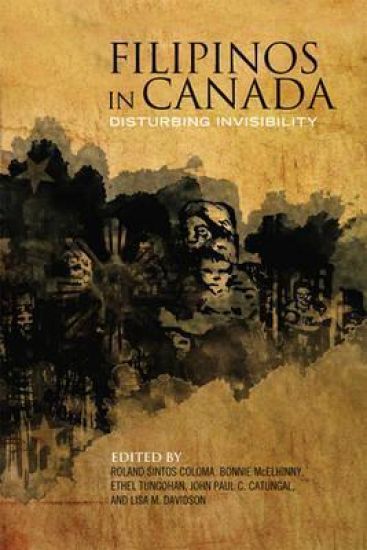
Filipinos in Canada

Filipinos in Canada

Roland Sintos Coloma; Bonnie McElhinny; Ethel Tungohan; John Paul Catungal; Lisa M. Davidson

University of Toronto Press
2012
sidottu
The Philippines became Canada’s largest source of short- and long-term migrants in 2010, surpassing China and India, both of which are more than ten times larger. The fourth-largest racialized minority group in the country, the Filipino community is frequently understood by such figures as the victimized nanny, the selfless nurse, and the gangster youth. On one hand, these narratives concentrate attention, in narrow and stereotypical ways, on critical issues. On the other, they render other problems facing Filipino communities invisible. This landmark book, the first wide-ranging edited collection on Filipinos in Canada, explores gender, migration and labour, youth spaces and subjectivities, representation and community resistance to certain representations. Looking at these from the vantage points of anthropology, cultural studies, education, geography, history, information science, literature, political science, sociology, and women and gender studies, Filipinos in Canada provides a strong foundation for future work in this area.
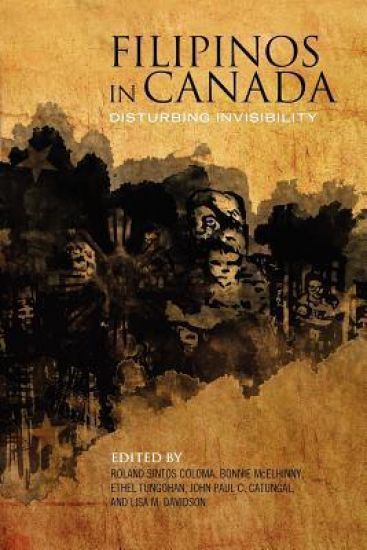
Filipinos in Canada

Filipinos in Canada

Roland Sintos Coloma; Bonnie McElhinny; Ethel Tungohan; John Paul Catungal; Lisa M. Davidson

University of Toronto Press
2012
pokkari
The Philippines became Canada’s largest source of short- and long-term migrants in 2010, surpassing China and India, both of which are more than ten times larger. The fourth-largest racialized minority group in the country, the Filipino community is frequently understood by such figures as the victimized nanny, the selfless nurse, and the gangster youth. On one hand, these narratives concentrate attention, in narrow and stereotypical ways, on critical issues. On the other, they render other problems facing Filipino communities invisible. This landmark book, the first wide-ranging edited collection on Filipinos in Canada, explores gender, migration and labour, youth spaces and subjectivities, representation and community resistance to certain representations. Looking at these from the vantage points of anthropology, cultural studies, education, geography, history, information science, literature, political science, sociology, and women and gender studies, Filipinos in Canada provides a strong foundation for future work in this area.