
Kirjojen hintavertailu – 12 859 819 kirjaa ja 27 kauppaa

Kirjailija

Romila Thapar

Kirjat ja teokset yhdessä paikassa: 22 kirjaa, julkaisuja vuosilta 2005–2026, suosituimpiin kuuluu Speaking of History. Vertaile teosten hintoja ja tarkista saatavuus suomalaisista kirjakaupoista.

22 kirjaa

Kirjojen julkaisuvuodet: 2005–2026.

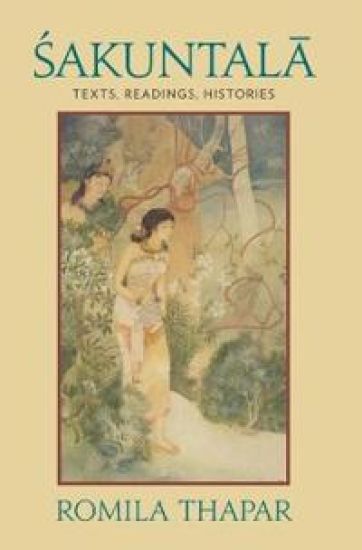
Sakuntala

Sakuntala

Romila Thapar

Columbia University Press
2011
pokkari
The figure of Sakuntala appears in many forms throughout South Asian literature, most famously in the Mahabharata and in Kalidisa's fourth-century Sanskrit play, Sakuntala and the Ring of Recollection. In these two texts, Sakuntala undergoes a critical transformation, relinquishing her assertiveness and autonomy to become the quintessentially submissive woman, revealing much about the performance of Hindu femininity that would come to dominate South Asian culture. Through a careful analysis of sections from Sakuntala and their various iterations in different contexts, Romila Thapar explores the interactions between literature and history, culture and gender, that frame the development of this canonical figure, as well as a distinct conception of female identity.
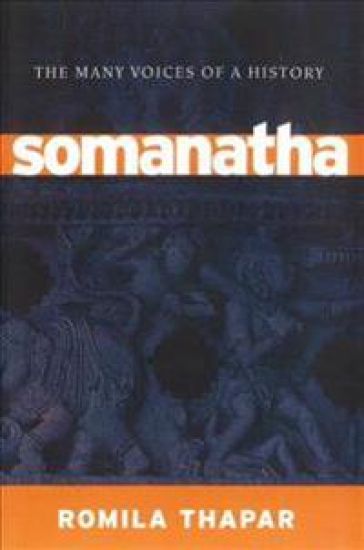
Somanatha

Somanatha

Romila Thapar

Verso Books
2005
sidottu
In 1026, Sultan Mahmud of Ghazni raided the Hindu temple of Somanatha (Somnath in textbooks of the colonial period). The story of the raid has reverberated in Indian history, but largely during the raj. It was first depicted as a trauma for the Hindu population not in India, but in the House of Commons. The triumphalist accounts of the event in Turko-Persian chronicles became the main source for most eighteenth-century historians. It suited everyone and helped the British to divide and rule a multi-millioned subcontinent. In her new book, Romila Thapar, the doyenne of Indian historians, reconstructs what took place by studying other sources, including local Sanskrit inscriptions, biographies of kings and merchants of the period, court epics and popular narratives that have survived. The result is astounding and undermines the traditional version of what took place. These findings also contest the current Hindu religious nationalism that constantly utilises the conventional version of this history.