Kirjojen hintavertailu – 12 903 724 kirjaa ja 27 kauppaa

Kirjailija

Ronald C. Kramer

Kirjat ja teokset yhdessä paikassa: 4 kirjaa, julkaisuja vuosilta 2020–2025, suosituimpiin kuuluu Carbon Criminals, Climate Crimes. Vertaile teosten hintoja ja tarkista saatavuus suomalaisista kirjakaupoista.

4 kirjaa

Kirjojen julkaisuvuodet: 2020–2025.

Apocalyptic Crimes

Apocalyptic Crimes

Ronald C. Kramer

RUTGERS UNIVERSITY PRESS
2025
nidottu
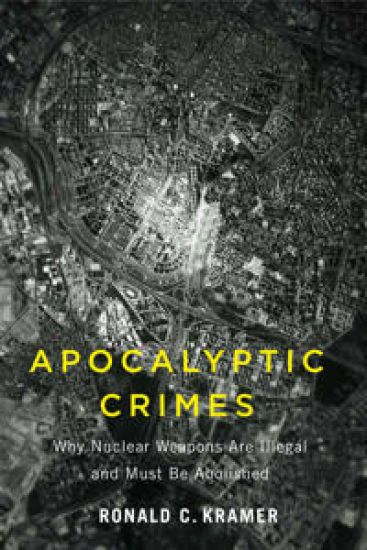
In 2023, the Bulletin of the Atomic Scientists set the iconic Doomsday Clock to ninety seconds to midnight-the closest to midnight, or civilization-ending apocalypse, it has ever been. Designed at the onset of the Cold War amid new fears of atomic weapons, the Doomsday Clock is a symbolic countdown to annihilation. Now, a generation later, the world is more vulnerable than ever to the nuclear weapons it sought to warn against. In Apocalyptic Crimes, Ronald C. Kramer reconsiders the immense danger these weapons pose to humanity, examining the use, threat to use, and continued possession of nuclear weapons from a criminological perspective. Kramer argues that any country holding on to its nuclear arsenal-including the United States-is committing a criminal act. Offering a sharp rebuke to the common claim that nuclear stockpiles serve to deter the escalation of conflict, Apocalyptic Crimes emphasizes the harm caused by the mere possession of these deadly weapons. It further considers the culpability of political officials, acting as representatives of the state, whose threatening statements about nuclear weapons contain actions or omissions that violate specific international laws. But Kramer also shows how a nuclear apocalypse might be averted and offers a pathway to disarmament. Through critical analysis and a specific criminology of nuclear weapons, Kramer outlines the political actions necessary to rewind the Doomsday Clock and pull the world back from the brink of destruction-before the clock strikes midnight.
Apocalyptic Crimes

Apocalyptic Crimes

Ronald C. Kramer

RUTGERS UNIVERSITY PRESS
2025
sidottu
In 2023, the Bulletin of the Atomic Scientists set the iconic Doomsday Clock to ninety seconds to midnight-the closest to midnight, or civilization-ending apocalypse, it has ever been. Designed at the onset of the Cold War amid new fears of atomic weapons, the Doomsday Clock is a symbolic countdown to annihilation. Now, a generation later, the world is more vulnerable than ever to the nuclear weapons it sought to warn against. In Apocalyptic Crimes, Ronald C. Kramer reconsiders the immense danger these weapons pose to humanity, examining the use, threat to use, and continued possession of nuclear weapons from a criminological perspective. Kramer argues that any country holding on to its nuclear arsenal-including the United States-is committing a criminal act. Offering a sharp rebuke to the common claim that nuclear stockpiles serve to deter the escalation of conflict, Apocalyptic Crimes emphasizes the harm caused by the mere possession of these deadly weapons. It further considers the culpability of political officials, acting as representatives of the state, whose threatening statements about nuclear weapons contain actions or omissions that violate specific international laws. But Kramer also shows how a nuclear apocalypse might be averted and offers a pathway to disarmament. Through critical analysis and a specific criminology of nuclear weapons, Kramer outlines the political actions necessary to rewind the Doomsday Clock and pull the world back from the brink of destruction-before the clock strikes midnight.
Carbon Criminals, Climate Crimes

Carbon Criminals, Climate Crimes

Ronald C. Kramer; Rob White

Rutgers University Press
2020
nidottu
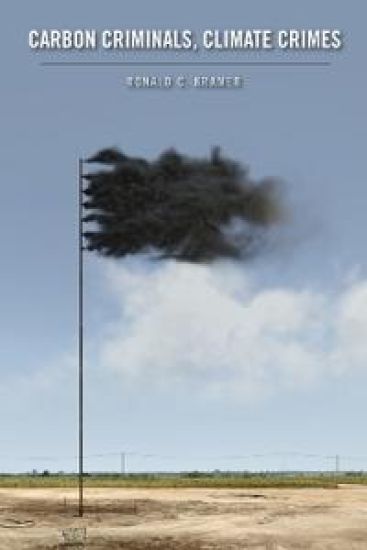
2020 Choice? Outstanding Academic TitleCarbon Criminals, Climate Crimes analyzes the looming threats posed by climate change from a criminological perspective. It advances the field of green criminology through a examination of the criminal nature of catastrophic environmental harms resulting from the release of greenhouse gases. The book describes and explains what corporations in the fossil fuel industry, the U. S. government, and the international political community did, or failed to do, in relation to global warming. Carbon Criminals, Climate Crimes integrates research and theory from a wide variety of disciplines, to analyze four specific state-corporate climate crimes: continued extraction of fossil fuels and rising carbon emissions; political omission (failure) related to the mitigation of these emissions; socially organized climate change denial; and climate crimes of empire, which include militaristic forms of adaptation to climate disruption. The final chapter reviews policies that could mitigate greenhouse gas emissions, adapt to a warming world, and achieve climate justice.
Carbon Criminals, Climate Crimes

Carbon Criminals, Climate Crimes

Ronald C. Kramer; Rob White

Rutgers University Press
2020
sidottu
2020 Choice? Outstanding Academic TitleCarbon Criminals, Climate Crimes analyzes the looming threats posed by climate change from a criminological perspective. It advances the field of green criminology through a examination of the criminal nature of catastrophic environmental harms resulting from the release of greenhouse gases. The book describes and explains what corporations in the fossil fuel industry, the U. S. government, and the international political community did, or failed to do, in relation to global warming. Carbon Criminals, Climate Crimes integrates research and theory from a wide variety of disciplines, to analyze four specific state-corporate climate crimes: continued extraction of fossil fuels and rising carbon emissions; political omission (failure) related to the mitigation of these emissions; socially organized climate change denial; and climate crimes of empire, which include militaristic forms of adaptation to climate disruption. The final chapter reviews policies that could mitigate greenhouse gas emissions, adapt to a warming world, and achieve climate justice.