Kirjojen hintavertailu – 12 903 725 kirjaa ja 27 kauppaa

Kirjailija

Ronald D. Hunter

Kirjat ja teokset yhdessä paikassa: 3 kirjaa, julkaisuja vuosilta 2000–2016, suosituimpiin kuuluu Research Methods for Criminology and Criminal Justice. Vertaile teosten hintoja ja tarkista saatavuus suomalaisista kirjakaupoista.

Nimi esiintyy myös muodoissa: Ronald D Hunter

3 kirjaa

Kirjojen julkaisuvuodet: 2000–2016.

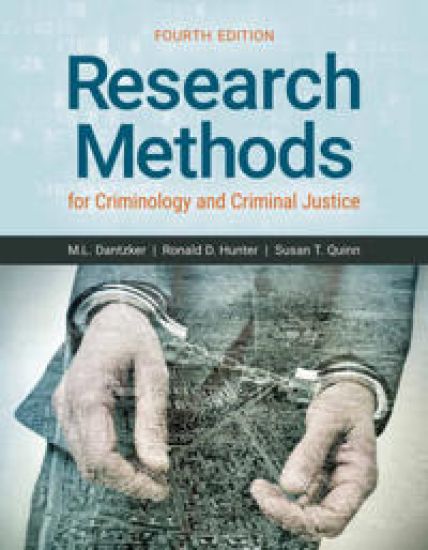
Research Methods for Criminology and Criminal Justice

Research Methods for Criminology and Criminal Justice

Mark L. Dantzker; Ronald D. Hunter; Susan T. Quinn

Jones and Bartlett Publishers, Inc
2016
nidottu
What are criminal justice and criminological research? Why conduct this research? And, how is this research completed? Research Methods for Criminology and Criminal Justice answers these questions by clearly explaining the basics of social science research using a simple and easy-to-understand approach. The essentials to a foundational understanding of criminal justice research methods are all there, including scientific theory, research language, and research design. The Fourth Edition features updated case studies and numerous revisions to topics such as sampling, research design, quantitative and qualitative research studies, data collection, and data analysis. Conducting research should not be a daunting chore. Research Methods for Criminology and Criminal Justice makes the task of learning how to conduct research understandable, enjoyable, and applicable to the criminal justice topics students are most interested in.
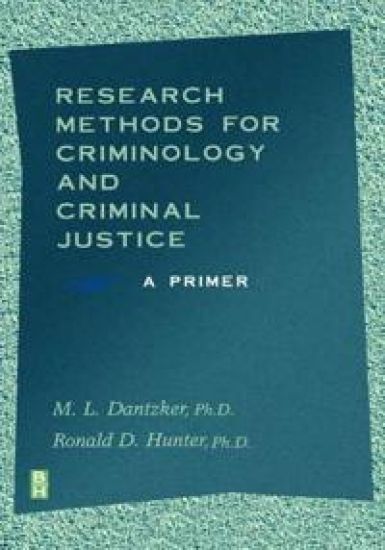
Research Methods for Criminology and Criminal Justice

Research Methods for Criminology and Criminal Justice

M. L. Dantzker; Ronald D Hunter

Butterworth-Heinemann Ltd
2000
sidottu
Research should be enjoyable - whether it is a college student completing a project for a degree or a professor meeting requirements or expectations associated with his or her position. Learning the basics for conducting research is the first step. This text is a reader-friendly primer which has as its strength the facility to positively and gently ease the reader into the task of conducting research. Each chapter begins with a vignette, describing a hypothetical situation in which students might find themselves. By chapter's end, students should be equipped with the knowledge on how to address the confusion or problem presented in the appropriate scenario. Another pedagogical tool is the Methodological Link which refers to excerpts from actual criminal justice and criminological research, the full text which is available in a companion text Readings for Research Methods in Criminology and Criminal Justice. Each chapter also ends with Methodological Queries, questions and exercises requiring students to apply what has been learned.