Kirjojen hintavertailu – 12 903 725 kirjaa ja 27 kauppaa

Kirjailija

Ronald Segal

Kirjat ja teokset yhdessä paikassa: 4 kirjaa, julkaisuja vuosilta 1996–2012, suosituimpiin kuuluu Portugal in Africa. Vertaile teosten hintoja ja tarkista saatavuus suomalaisista kirjakaupoista.

4 kirjaa

Kirjojen julkaisuvuodet: 1996–2012.

Portugal in Africa

Portugal in Africa

James Duffy; Ronald Segal

Literary Licensing, LLC
2012
sidottu
""Portugal in Africa"" by James Duffy is a comprehensive historical account of Portugal's colonial empire in Africa. The book covers the period from the 15th century, when Portuguese explorers first arrived on the continent, to the 1970s, when Portugal's African colonies gained independence. The author examines the political, economic, and social aspects of Portuguese rule in Africa, including the impact of slavery, the exploitation of natural resources, and the resistance movements that emerged against colonialism. The book also explores the cultural exchange between Portugal and Africa, including the spread of Christianity and the influence of African art and music on Portuguese culture. Through detailed research and analysis, Duffy provides a nuanced and thought-provoking account of Portugal's complex relationship with Africa, shedding light on a crucial period in African and global history. This scarce antiquarian book is a facsimile reprint of the old original and may contain some imperfections such as library marks and notations. Because we believe this work is culturally important, we have made it available as part of our commitment for protecting, preserving, and promoting the world's literature in affordable, high quality, modern editions, that are true to their original work.

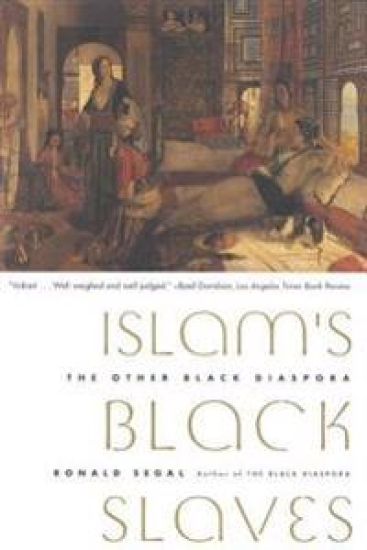
Islam's Black Slaves

Islam's Black Slaves

Ronald Segal

Pan Macmillan
2002
pokkari
A comprehensive study of the Eastern slave trade by an eminent British scholar A companion volume to "The Black Diaspora," this groundbreaking work tells the fascinating and horrifying story of the Islamic slave trade. "Islam's Black Slaves" documents a centuries-old institution that still survives, and traces the business of slavery and its repercussions from Islam's inception in the seventh century, through its history in China, India, Iran, Turkey, Egypt, Libya, and Spain, and on to Sudan and Mauritania, where, even today, slaves continue to be sold. Ronald Segal reveals for the first time the numbers involved in this trade--as many millions as were transported to the Americas--and explores the differences between the traffic in the East and the West. "Islam's Black Slaves" also examines the continued denial of the very existence of this sector of the black diaspora, although it survives today in significant numbers; and in an illuminating conclusion, Segal addresses the appeal of Islam to African-American communities, and the perplexing refusal of Black Muslim leaders to acknowledge black slavery and oppression in present-day Mauritania and Sudan. A fitting companion to Segal's previous work, "Islam's Black Slaves" is a fascinating account of an often unacknowledged tradition, and a riveting cross-cultural commentary.
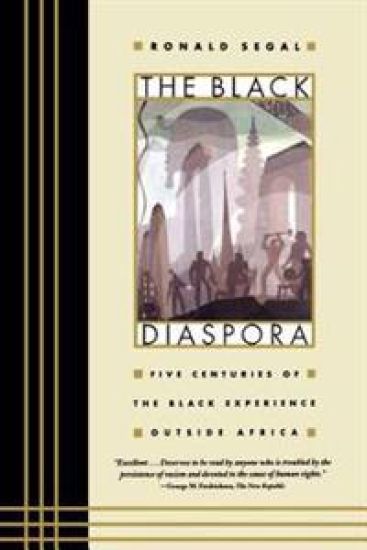
The Black Diaspora: Five Centuries of the Black Experience Outside Africa
The Black Diaspora tells the enthralling story of African-descended people outside Africa, spanning more than five centuries and a dozen countries of settlement, from Britain, Canada, and the United States to Haiti, Guyana, and Brazil. Ronald Segal's account begins in Africa itself, with the cultures and societies flourishing there before the arrival of the Atlantic slave trade, which transported over ten million people to the Americas, after killing at least as many in their procurement and passage. He examines the extent of the profits made through the trade by merchants, manufacturers, investors, and planters, along with the racist ideology that developed as whites strove to rationalize an enormous economic dependence. Segal describes the various ways in which the system of slavery developed and provides the most comprehensive account to date of the resistance by the slaves themselves, from escape and arson to guerrilla warfare and revolution. When emancipation finally came, the former slaves were left in the fetters of poverty and discrimination. Segal details the course of the struggle against colonial rule and the racial oppressions of self-styled democracies. In recounting his own travels through the Diaspora, he shows the continuing plight of peoples confined by the consequences of the past and the prejudices of the present: racked by violence, as in Jamaica and the ghettos of America; denied the right to assert their sense of identity, as in Cuba; acknowledged only to be repudiated, as in Brazil. Yet this is also, Segal reveals, a Diaspora of wondrous achievement. It has immeasurably enriched world culture in music, language and literature, painting, sculpture and architecture; has done much to make sports a form of art; and has invested Western culture with the ecological reverence derived from its African source. Segal argues that the black Diaspora has a unique destiny, infused by the love of freedom that is its creative impulse.