Kirjojen hintavertailu – 12 903 725 kirjaa ja 27 kauppaa

Kirjailija

Rose Mary Zbiek

Kirjat ja teokset yhdessä paikassa: 7 kirjaa, julkaisuja vuosilta 2014–2025, suosituimpiin kuuluu Go-to Guide: Teaching Addition and Subtraction, Grades PK–2. Vertaile teosten hintoja ja tarkista saatavuus suomalaisista kirjakaupoista.

7 kirjaa

Kirjojen julkaisuvuodet: 2014–2025.

Go-to Guide: Teaching Geometry, Grades 9–12

Go-to Guide: Teaching Geometry, Grades 9–12

Nathalie Sinclair; David Pimm; Melanie Skelin; Rose Mary Zbiek; Robert N. Ronau; Dan Meyer; Terry Crites

National Council of Teachers of Mathematics,U.S.
2025
nidottu
Get a deeper understanding of Geometry with our concise and comprehensive Go-To Guide. Based on Developing Essential Understanding of Geometry and Putting Essential Understanding of Geometry into Practice, this summary distills the key concepts and ideas into a quick-reference guide that's perfect for: Supplementing your reading of Developing Essential Understanding of Geometry and Putting Essential Understanding of Geometry into Practice Reviewing the basics before diving deeper into the subject Refreshing your knowledge and filling in gaps in your understanding Identifying areas where you need more information and want to learn more Go-To Guides are designed to provide you with a thorough grasp of the mathematical ideas and principles needed to teach Geometry by focusing on the core concepts and relationships that underlie the subject. This Go-To Guide is perfect for those looking to: Develop a deeper understanding of Geometry Create targeted lessons and activities that meet the needs of students Anticipate common student misconceptions and errors Design effective assessments and evaluations Enhance your own math knowledge and skills Whether you're new to teaching Geometry or an experienced educator, our Go-To Guides will be your trusted resource for teaching with confidence and clarity.
Go-to Guide: Teaching Expressions, Equations, and Functions, Grades 6–8

Go-to Guide: Teaching Expressions, Equations, and Functions, Grades 6–8

Gwendolyn Lloyd; Beth Herbel Eisenmann; Jon Star; Rose Mary Zbiek

National Council of Teachers of Mathematics,U.S.
2025
nidottu
Get a deeper understanding of Expressions, Equations, and Functions with our concise and comprehensive Go-To Guide. Based on Developing Essential Understanding of Expressions, Equations, and Functions and Putting Essential Understanding of Expressions and Equations into Practice, this summary distills the key concepts and ideas into a quick-reference guide that's perfect for: Supplementing your reading of Developing Essential Understanding of Expressions, Equations, and Functions and Putting Essential Understanding of Expressions and Equations into Practice Reviewing the basics before diving deeper into the subject Refreshing your knowledge and filling in gaps in your understanding Identifying areas where you need more information and want to learn more Go-To Guides are designed to provide you with a thorough grasp of the mathematical ideas and principles needed to teach Expressions, Equations, and Functions by focusing on the core concepts and relationships that underlie the subject. This Go-To Guide is perfect for those looking to: Develop a deeper understanding of Expressions, Equations, and Functions Create targeted lessons and activities that meet the needs of students Anticipate common student misconceptions and errors Design effective assessments and evaluations Enhance your own math knowledge and skills Whether you're new to teaching Expressions, Equations, and Functions or an experienced educator, our Go-To Guides will be your trusted resource for teaching with confidence and clarity.
Go-to Guide: Teaching Functions, Grades 9–12

Go-to Guide: Teaching Functions, Grades 9–12

Robert Ronau; Dan Meyer; Terry Crites; Barbara Dougherty; Gwendolyn Lloyd; Sybilla Beckmann Kazez; Rose Mary Zbiek

National Council of Teachers of Mathematics,U.S.
2025
nidottu
Get a deeper understanding of teaching functions, 9–12 with our concise and comprehensive Go-To Guide. Based on Developing Essential Understanding of Functions 9–12 and Putting Essential Understanding of Functions into Practice 9–12, this summary distills the key concepts and ideas into a quick-reference guide that's perfect for supplementing your reading of Developing Essential Understanding of Functions 9–12 and Putting Essential Understanding of Functions into Practice 9–12, reviewing the basics before diving deeper into the subject, refreshing your knowledge and filling in gaps in your understanding, and identifying areas where you need more information and want to learn more. Go-To Guides are designed to provide you with a thorough grasp of the mathematical ideas and principles needed to teach functions, 9–12 by focusing on the core concepts and relationships that underlie the subject. This Go-To Guide is perfect for those looking to develop a deeper understanding of functions, 9–12, create targeted lessons and activities that meet the needs of students, anticipate common student misconceptions and errors, design effective assessments and evaluations, and enhance your own math knowledge and skills. Whether you're new to teaching functions 9–12, or an experienced educator, our Go-To Guides will be your trusted resource for teaching with confidence and clarity.
Go-to Guide: Teaching Addition and Subtraction, Grades PK–2

Go-to Guide: Teaching Addition and Subtraction, Grades PK–2

Janet H. Caldwell; Beth Kobett; Karen Karp; Jennifer Bay-Williams; Rose Mary Zbiek

National Council of Teachers of Mathematics,U.S.
2025
nidottu
Get a deeper understanding of Addition and Subtraction with our concise and comprehensive Go-To Guide. Based on Developing Essential Understanding of Addition and Subtraction and Putting Essential Understanding into Practice: Addition and Subtraction, this summary distills the key concepts and ideas into a quick-reference guide that's perfect for: Supplementing your reading of Developing Essential Understanding of Addition and Subtration and Putting Essential Understanding into Practice: Addition and Subtraction, Reviewing the basics before diving deeper into the subject Refreshing your knowledge and filling in gaps in your understanding Identifying areas where you need more information and want to learn more Go-To Guides are designed to provide you with a thorough grasp of the mathematical ideas and principles needed to teach Addition and Subtraction by focusing on the core concepts and relationships that underlie the subject. This Go-To Guide is perfect for those looking to: Develop a deeper understanding of Addition and Subtraction Create targeted lessons and activities that meet the needs of students Anticipate common student misconceptions and errors Design effective assessments and evaluations Enhance your own math knowledge and skills Whether you're new to teaching Addition and Subtraction or an experienced educator, our Go-To Guides will be your trusted resource for teaching with confidence and clarity.
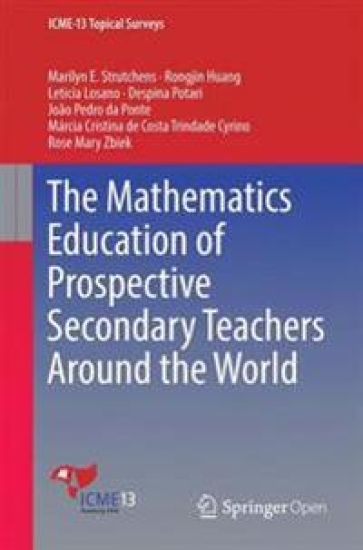
The Mathematics Education of Prospective Secondary Teachers Around the World

The Mathematics Education of Prospective Secondary Teachers Around the World

Marilyn E. Strutchens; Rongjin Huang; Leticia Losano; Despina Potari; Márcia Cristina de Costa Trindade Cyrino; João Pedro da Ponte; Rose Mary Zbiek

Springer International Publishing AG
2016
nidottu
This volume shares and discusses significant new trends and developments in research and practices related to various aspects of preparing prospective secondary mathematics teachers from 2005–2015. It provides both an overview of the current state-of-the-art and outstanding recent research reports from an international perspective. The authors completed a thorough review of the literature by examining major journals in the field of mathematics education, and other journals related to teacher education and technology. The systematic review includes four major themes: field experiences; technologies, tools and resources; teachers' knowledge; and teachers' professional identities. Each of them is presented regarding theoretical perspectives, methodologies, and major findings. Then the authors discuss what is known in the field and what we still need to know related to the major topics.
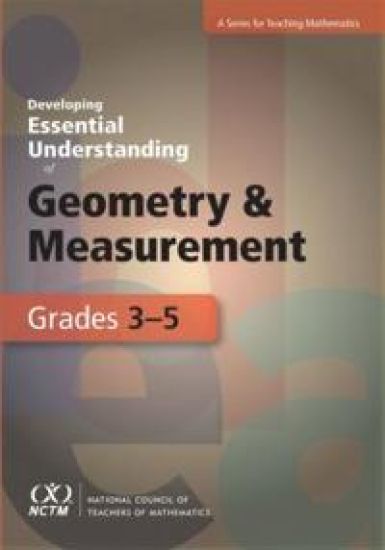
Developing Essential Understanding of Geometry and Measurement for Teaching Mathematics in Grades 3-5

Developing Essential Understanding of Geometry and Measurement for Teaching Mathematics in Grades 3-5

Richard Lehrer; Hannah Slovin; Barbara Dougherty; Rose Mary Zbiek

National Council of Teachers of Mathematics,U.S.
2015
nidottu
How can you introduce terms from geometry and measurement so that your students’ vocabulary will enhance their understanding of concepts and definitions? What can you say to clarify the thinking of a student who claims that perimeter is always an even number? How does knowing what changes or stays the same when shapes are transformed help you support and extend your students’ understanding of shapes and the space that they occupy? How much do you know … and how much do you need to know? Helping your students develop a robust understanding of geometry and measurement requires that you understand fundamental statistical concepts deeply. But what does that mean? This book focuses on essential knowledge for mathematics teachers about geometry and measurement. It is organized around three big ideas, supported by multiple smaller, interconnected ideas—essential understandings. Taking you beyond a simple introduction to geometry and measurement, the book will broaden and deepen your understanding of one of the most challenging topics for students—and teachers. It will help you engage your students, anticipate their perplexities, avoid pitfalls, and dispel misconceptions. You will also learn to develop appropriate tasks, techniques, and tools for assessing students’ understanding of the topic. Focus on the ideas that you need to understand thoroughly to teach confidently.
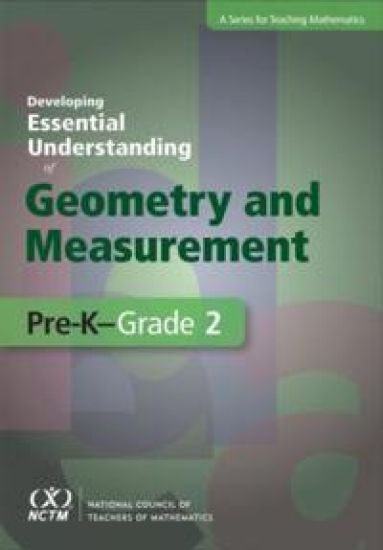
Developing Essential Understanding of Geometry and Measurement for Teaching Mathematics in Pre-K-Grade 2

Developing Essential Understanding of Geometry and Measurement for Teaching Mathematics in Pre-K-Grade 2

E Paul Goldenberg; Douglas Clements; Rose Mary Zbiek; Barbara Dougherty

National Council of Teachers of Mathematics,U.S.
2014
nidottu
How can you build on young children’s interactions with the world to develop their geometric thinking? What can you say to a student who claims that a diamond isn’t a square because it “stands on a point”? How can knowing what does not change when shapes are transformed help you extend your students’ thinking about the area of geometric figures? How much do you know … and how much do you need to know? Helping your students develop a robust understanding of geometry and measurement requires that you understand this mathematics deeply. But what does that mean? This book focuses on essential knowledge for teachers about geometry and measurement. It is organized around four big ideas, supported by multiple smaller, interconnected ideas—essential understandings. Taking you beyond a simple introduction to geometry and measurement, the book will broaden and deepen your mathematical understanding of one of the most challenging topics for students—and teachers. It will help you engage your students, anticipate their perplexities, avoid pitfalls, and dispel misconceptions. You will also learn to develop appropriate tasks, techniques, and tools for assessing students’ understanding of the topic. About the Series: Focus on the ideas that you need to understand thoroughly to teach confidently. Move beyond the mathematics you expect your students to learn. Students who fail to get a solid grounding in pivotal concepts struggle in subsequent work in mathematics and related disciplines. By bringing a deeper understanding to your teaching, you can help students who don’t get it the first time by presenting the mathematics in multiple ways. The Essential Understanding Series addresses topics in school mathematics that are critical to the mathematical development of students but are often difficult to teach. Each book in the series gives an overview of the topic, highlights the differences between what teachers and students need to know, examines the big ideas and related essential understandings, reconsiders the ideas presented in light of connections with other mathematical ideas, and includes questions for readers’ reflection.