Kirjailija
Rudolf Steiner
Kirjat ja teokset yhdessä paikassa: 1 477 kirjaa, julkaisuja vuosilta 1910–2026, suosituimpiin kuuluu The Cosmic New Year: A Course of Lectures by Rudolf Steiner. Vertaile teosten hintoja ja tarkista saatavuus suomalaisista kirjakaupoista.
1 477 kirjaa
Kirjojen julkaisuvuodet: 1910–2026.

Grundlinien einer Erkenntnistheorie der Goetheschen Weltanschauung
Rudolf Steiner
Outlook
2014
sidottu

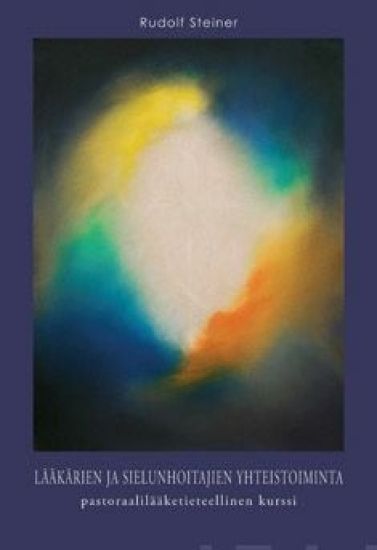
Lääkärien ja sielunhoitajien yhteistoiminta
Rudolf Steiner
SUOMEN ANTROPOSOFINEN LIITTO
2014
sidottu
Pelkästään luonnontieteeseen pohjaava lääketiede ei kykene tavoittamaan ihmisen monimuotoista kokonaisuutta. Fyysisen puolen lisäksi on otettava huomioon ihmisen elämänvoimat, sielullisuus ja hänen henkinen yksilöllisyytensä, joka on jälleensyntyvä ja karmallisesti itseään toteuttava olemus. Kokonaisvaltainen tarkastelutapa ottaa huomioon ruumiin, sielun ja hengen. Rudolf Steiner piti tämän 11 esitelmää ja puheen sisältävän "pastoraalilääketieteellisen kurssin" lähinnä lääkäreille ja papeille. Sen tarkoituksena on uudistaa vanha perinne ja tarkastella, miten lääkärin ja papin tehtävät ovat suhteessa toisiinsa, miten niissä lähestytään ihmistä ruumiillis-sielullis-henkisenä kokonaisuutena ja miten nämä lähestymistavat voivat tukea toisiaan. Ihmistä tarkastellessaan Rudolf Steiner kiinnittää huomiota vaikutuksiin, joita olemuspuolten erilaisilla suhteilla toisiinsa on ihmisen fyysiseen, psyykkiseen ja henkiseen olotilaan. Silloin voi esiintyä epänormaaleja psyykkisiä tiloja, jotka voivat olla patologisia tai heijastella toisaalta suuria terveysvoimia ja tuoda ilmi erityisiä kykyjä. Esimerkkinä hänellä on mm. Pyhä Teresa Avilalainen ja runoilija Ferdinand Raimund. Kirjaan sisältyy väriliite, jossa on esitelmäsarjaan liittyvät alkuperäiset taulupiirrokset.
Vanha mysteeriviisaus ja tietoisuuden kehitys
Rudolf Steiner
SUOMEN ANTROPOSOFINEN LIITTO
2014
sidottu
Halvin toimitettuna 29,00 €
Näissä 16 esitelmässä ajalla 23.12.1917-17.1.1918 Rudolf Steiner tarkastelee vanhojen mysteerien luonnetta ja kehitystä esimerkkeinä mm. egyptiläiset, kreikkalaiset ja juutalaisuuden tavat lähestyä maailmankaikkeutta. Hän kertoo Pallas Athenesta suhteessa neitsyt Mariaan ja joulun salaisuuteen ja kysyy: miten Osiris herää uudelleen elämään? Steiner kertoo ihmiskunnan samanaikaisesta vanhenemisesta ja nuorentumisesta, Golgatan mysteerin merkityksestä vahingollisten voimien tasoittajana ja sielullisuuden muuntumisesta tietoisuuden kehityksen myötä. Lisäksi hän käsittelee keskiaikaa, 800-, 1300- ja 1400-luvun Euroopan olosuhteita.
Rudolf Steiner piti kansainvälisessä filosofikongressissa Bolognassa 1911 esitelmän, jossa hän tuo erittäin selkeällä ja modernilla tavalla esiin kehittämäänsä tiedostamismenetelmää ja sen eri tasoja imaginaatiota, inspiraatiota ja intuitiota. Samalla hän suhteuttaa luomansa hengentieteen metodin aikansa filosofiseen kontekstiin. Hän puhuu mm. ajattelun autonomiasta suhteessa aivotoimintaan. Andreas Neider rakentaa hienossa esipuheessaan siltaa nykypäivän tilanteeseen.
Lääkärien ja sielunhoitajien yhteistoiminta
Rudolf Steiner
SUOMEN ANTROPOSOFINEN LIITTO
2014
sidottu
Pelkästään luonnontieteeseen pohjaava lääketiede ei kykene tavoittamaan ihmisen monimuotoista kokonaisuutta. Fyysisen puolen lisäksi on otettava huomioon ihmisen elämänvoimat, sielullisuus ja hänen henkinen yksilöllisyytensä, joka on jälleensyntyvä ja karmallisesti itseään toteuttava olemus. Kokonaisvaltainen tarkastelutapa ottaa huomioon ruumiin, sielun ja hengen. Rudolf Steiner piti tämän 11 esitelmää ja puheen sisältävän "pastoraalilääketieteellisen kurssin" 1924 lähinnä lääkäreille ja papeille. Sen tarkoituksena on uudistaa vanha perinne ja tarkastella, miten lääkärin ja papin tehtävät ovat suhteessa toisiinsa, miten niissä lähestytään ihmistä ruumiillis-sielullis-henkisenä kokonaisuutena ja miten nämä lähestymistavat voivat tukea toisiaan. Ihmistä tarkastellessaan Rudolf Steiner kiinnittää huomiota vaikutuksiin, joita olemuspuolten erilaisilla suhteilla toisiinsa on ihmisen fyysiseen, psyykkiseen ja henkiseen olotilaan. Silloin voi esiintyä epänormaaleja psyykkisiä tiloja, jotka voivat olla patologisia tai heijastella toisaalta suuria terveysvoimia ja tuoda ilmi erityisiä kykyjä. Esimerkkinä hänellä on mm. Pyhä Teresa Avilalainen ja runoilija Ferdinand Raimund.
Boken Sjelegåter har en spesiell plass i Rudolf Steiners forfatterskap. Den utkom i 1917, på den tiden da antroposofien for alvor var blitt et tema i offentligheten. Steiner henvender seg her til samtidens vitenskapelig interesserte allmenhet og viser veien til en bro mellom åndsforskningen og de akademiske vitenskaper, fra " "antropologi" " til " "antroposofi" ", som han selv uttrykker det. Sjelegåter er derfor ikke mindre aktuell i dag og begrunner nå som den gang antroposofiens potensial som en allmen, fremtidsrettet kulturimpuls. Rudolf Steiner gir i denne boken den første skriftlige fremstilling av menneskets tredelte organisme og skissen til en ny sanselære, to motiver som snart skulle vise seg fruktbare gjennom de mange initiativer på praktiske livsområder som f. eks. medisin og pedagogikk, i de siste årene av Steiners liv.
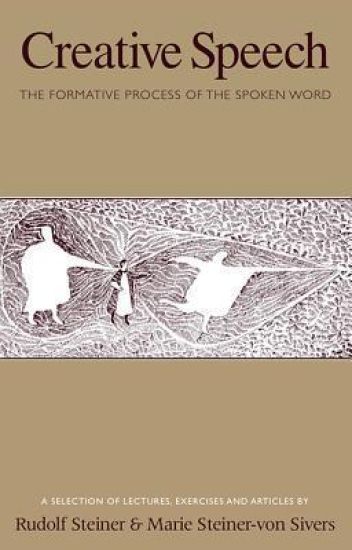
In this seminal work on a new art of speech, Rudolf and Marie Steiner demonstrate how the Word can truly be brought to life. From the authors' perspective, the audible sound of speech is only the end result of a much greater process that begins inwardly. In contrast to the belief that speaking is entirely a matter of correct placement in the mouth, Rudolf Steiner advises speakers to concentrate on what takes place before the mechanical production of sound is made in the physical organism. Relevant to actors, teachers, therapists and anybody seeking to reinvigorate the art of the Word, this book will be an invaluable friend and guide to improving clarity and restoring beauty to communication.
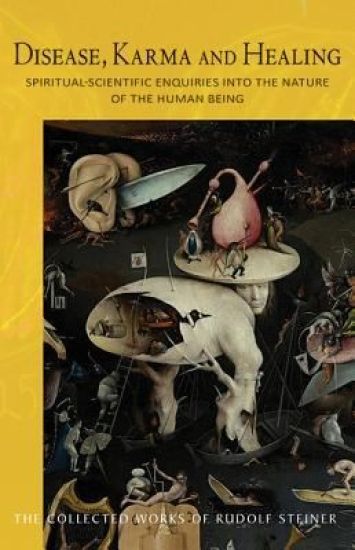
Today, illness is almost universally regarded as either a nuisance or a grave misfortune. In contrast to this conventional thinking, Rudolf Steiner places the suffering caused by disease in a broad vista that includes an understanding of karma and personal metamorphosis. Illness comes to expression in the physical body, but mostly does not originate in it, says Steiner, and thus a key part of the physician's work involves gaining insight into the whole nature of an individual - his essential core being. From this perspective, illness offers us the opportunity for deeper healing. Throughout this volume Rudolf Steiner draws our attention to the greater scope of the smallest phenomena - even a seemingly insignificant headache. He casts vivid light on things we normally take for granted, such as the human capacity to laugh or cry, and in the process broadens our vision of human existence. The apparently mundane human experiences of forgetting and remembering are intrinsic to our humanity, for example, and have unsuspected moral and spiritual dimensions. Steiner's insights are never merely 'lofty' or nebulously 'spiritual' but time and again connect with the minutest realities of everyday life. In these 18 lectures, delivered on a weekly basis as part of an ongoing course covering 'the whole field of spiritual science', Steiner elaborates in detail on the diverse interplay of the human being's constituting aspects (physical body, etheric body, astral body and ego or 'I') in relation to rhythmic processes, developing consciousness, the history of human evolution, and our connection with the cosmos. Within this broad canvas, some of his themes acquire a very distinctive focus - such as vivid accounts of the 'intimate history' of Christianity, 'creating out of nothing', the interior of the earth, and health and illness. Other topics include: the nature of pain, suffering, pleasure and bliss; the four human group souls of lion, bull, eagle and man; the significance of the Ten Commandments; the nature of original sin; the deed of Christ and the adversary powers of Lucifer, Ahriman and the Asuras; evolution and involution; the Atlantean period - and even Friedrich Nietzsche's madness!

'The intention is to take a practical subject and show how our spiritual science with anthroposophical orientation truly can play an effective role in everyday life.' - Rudolf Steiner Following his first major lecture course for medical practitioners, Rudolf Steiner sought to elaborate and deepen his 'extension' of the art of healing from a spiritual-scientific perspective. In this collection of addresses, discussions, question-and-answer sessions and lectures - running parallel to his major medical cycles - Steiner comments on contemporary medicine's emphasis on experimental, materially-based research and its subsequent lack of attention to therapy. Steiner's intention is not to detract from developments in medical science but to build on them with spiritual science - not quackery but a true art of medicine. The medical practitioner has an important task: diseases must be cured, and it is wrong not to intervene and simply to allow 'karma to take its course'. Speaking to audiences ranging from members of the general public to small groups of medical professionals, Steiner offers new insights into our understanding of human organs such as the brain, kidneys and liver, as well as the efficacy of healing substances including arsenic, sulphur, arnica and essential plant oils. He studies a broad range of specific medical conditions, giving advice on cancer, hysteria, rheumatism, gout, skin eruptions, typhoid, diabetes, haemophilia, syphilis, gonorrhoea, asthma, glaucoma, leukaemia, smallpox, insomnia, and childhood diseases such as measles. His commentaries on a raft of contrasting subjects - such as psychiatry, sexual maturity, memory, poisoning and detoxification - present challenging perspectives for patients and medical practitioners. Steiner's surprisingly non-dogmatic advice on vaccination, for example, gives a refreshingly balanced, and perhaps unexpected, point of view. This volume also includes a lecture on eurythmy therapy, a comprehensive introduction, index and notes, and nine full colour plates of Rudolf Steiner's blackboard drawings.

Rudolf Steiner's third great lecture course to physicians has a completely different character to his previous presentations. Delivered in response to a group of young doctors - who approached Steiner with the specific request for a course that would be 'quite intimate', but should not contain anything ' - which appealed only to knowledge and the intellect' - it offers unique, groundbreaking insights into the practice and art of healing. Steiner speaks about the influence of cosmic and earthly forces - the periphery and centre - on the human being. Proper understanding of these processes enables the physician to comprehend the actions of plants and minerals used in anthroposophic medicines, and thus to prescribe appropriate and individually specific remedies. Steiner paints a picture of the human being as a complex confluence of the forces of heredity, forces from the cosmos, and an individual's unique spiritual nature. The physician has to understand these relationships in order to be able to help effectively when they are out of balance. Steiner stresses the importance of personal development for physicians, and offers plentiful instructions for a meditative practice intrinsic to their work. Among a wealth of other topics, Steiner addresses inflammation and excessive growth; the nature of scarlet fever and measles; the importance of a child's food and breast milk; the functions of the liver, heart, head and skeleton; the incarnation process; karma as a guide for the physician; morality as a force streaming in from the cosmos; the cosmic trinity of Saturn, Sun and Moon in the healthy and sick human being; and the involvement of the heart in thinking. Included here are Rudolf Steiner's answers to questions, and the first newsletter from the Medical Section, with a key meditation for physicians. This volume also features 18 full colour plates of Rudolf Steiner's blackboard drawings, a comprehensive introduction, index and notes.

'An external view of states of health and sickness must be augmented by what we can also know about the inner, spiritual reality within the human being.' - Rudolf Steiner In a series of nine lectures to doctors, pharmacists and students, Rudolf Steiner presents a wealth of medical ideas with numerous therapeutic and diagnostic insights. As with his first series of lectures on medicine held a year previously (Introducing Anthroposophical Medicine), the range, depth and scope of Steiner's subject-matter is breathtaking. Speaking at the international centre of anthroposophy, the Goetheanum in Dornach, Switzerland, Rudolf Steiner begins by describing the interplay of physical and metaphysical aspects of the human being, presenting a paradigm in which the four bodies - physical, etheric, astral and ego or 'I' - interrelate in contrasting ways with the threefold human organism of head, thorax and metabolism, and with our capacities for thinking, feeling and will. These challenging but enlightening concepts unlock a wonderful diagnostic tool for the appraisal and understanding of patients. Steiner considers the medicinal actions of various substances - including silica, phosphorus, sulphur, arsenic, antimony and mercury. Among numerous other subjects, Rudolf Steiner discusses the methodology of medical examination; the treatment of developmental irregularities; the four types of ether; raw food diets; the I and assimilation of food; metal therapy and the actions of lead, magnesium, tin, iron, copper, gold, mercury and silver; the use of root and herbaceous parts and flowers in medicine; the rhythmic balancing process between the action of salutogenic and pathological forces; and the nature of death. This volume also features Rudolf Steiner's answers to questions, an introductory lecture to eurythmy therapy, a comprehensive introduction, notes and index, colour plates of Steiner's blackboard drawings, and facsimiles and translations of his notes for the lectures.

An authorised translation of this classic work, re-edited, beautifully typeset and designed, from a professional publisher dedicated to high-quality editions of Rudolf Steiner's books and lectures. The anthroposophy of Rudolf Steiner is not a theoretical system, but the results of research based on direct observation. As Steiner's research was so vast and conducted over such a long period of time, no single book can be said to contain the whole of his spiritual teaching. However, of all his books Occult Science comes closest. Steiner even referred to it as 'an epitome of anthroposophical spiritual science'. The book sets out, in systematic order, the fundamental facts concerning the nature and constitution of the human being and, in chronological order, the history of the universe and man. Whereas the findings of natural science are derived from observations made through the senses, the findings of spiritual science, or anthroposophy, are 'occult' inasmuch as they derive from direct observation of realities which are hidden to everyday perception. And yet these elements of humanity and the universe form the foundation of the sense world. A substantial part of Occult Science is taken up with a description of the preliminary training which is necessary to make such spiritual observations. Given his energetic involvement in practical initiatives and extensive lecturing, Rudolf Steiner had little time to write books. Of those he did write, four titles form an indispensable introduction to his later teaching: Knowledge of the Higher Worlds, Theosophy, The Philosophy of Freedom and Occult Science.
The Karmic Relationships of the Anthroposophical Movement
Rudolf Steiner; Marie Steiner
Literary Licensing, LLC
2013
nidottu
The Christ Mystery in Relation to the Secret of Pentecost
Rudolf Steiner
Literary Licensing, LLC
2013
nidottu
Universe Earth and Man: In Their Relationship to Egyptian Myths and Modern Civilization
Rudolf Steiner
Literary Licensing, LLC
2013
nidottu