

Kirjojen hintavertailu – 12 859 828 kirjaa ja 27 kauppaa

Kirjailija

Rudolph P. Byrd

Kirjat ja teokset yhdessä paikassa: 2 kirjaa, julkaisuja vuosilta 2010–2011, suosituimpiin kuuluu Cane. Vertaile teosten hintoja ja tarkista saatavuus suomalaisista kirjakaupoista.

2 kirjaa

Kirjojen julkaisuvuodet: 2010–2011.

Cane

Cane

Jean Toomer; Rudolph P. Byrd; Henry Louis Gates

Liveright Publishing Corporation
2011
nidottu

Halvin toimitettuna 19,00 €

First published in 1923, Jean Toomer’s Cane is an innovative literary work—part drama, part poetry, part fiction—powerfully evoking black life in the South. Rich in imagery, Toomer’s impressionistic, sometimes surrealistic sketches of Southern rural and urban life are permeated by visions of smoke, sugarcane, dusk, and fire; the northern world is pictured as a harsher reality of asphalt streets. This iconic work of American literature is published with a new afterword by Rudolph Byrd of Emory University and Henry Louis Gates Jr. of Harvard University, who provide groundbreaking biographical information on Toomer, place his writing within the context of American modernism and the Harlem Renaissance, and examine his shifting claims about his own race and his pioneering critique of race as a scientific or biological concept.
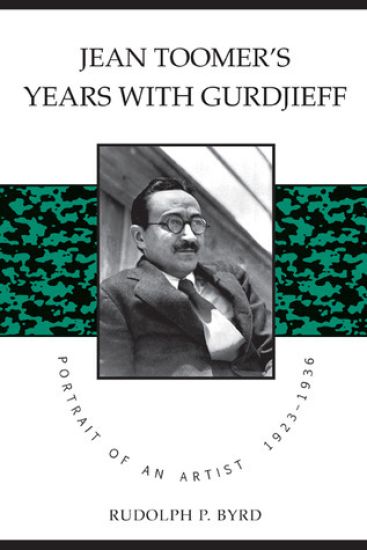
Jean Toomer's Years with Gurdjieff

Jean Toomer's Years with Gurdjieff

Rudolph P. Byrd

University of Georgia Press
2010
pokkari
Jean Toomer (1894–1967) earned his place in American literary history with Cane (1923), a brilliant modernist collage of fiction, poetry, and drama about black life in rural Georgia and the urban North. Although Toomer continued to write prodigiously, his work went largely unpublished as he turned away from an exploration of his African American roots he had employed so powerfully in Cane. Rudolph P. Byrd examines the central reason behind Toomer’s literary decline: his enthusiasm for the theories of George Gurdjieff, a contemporary Russian psychologist, philosopher, and mystic. As Toomer’s work degenerated into propaganda for Gurdjieff’s theories on human development and spiritual reforms, publishers turned away. Yet, Byrd makes clear that the works Toomer wrote after 1923 do not represent the total break from his earlier concerns that critics have generally assumed. Examining both Cane and the body of writings Toomer produced after it, Byrd finds a distinct thematic unity in the Toomer canon—a consistent, optimistic faith in human possibility and wholeness.