Kirjailija
Rudyard Kipling
Kirjat ja teokset yhdessä paikassa: 2 583 kirjaa, julkaisuja vuosilta 1890–2026, suosituimpiin kuuluu Oxford Reading Tree TreeTops Classics: Level 15: Pack of 6. Vertaile teosten hintoja ja tarkista saatavuus suomalaisista kirjakaupoista.
2 583 kirjaa
Kirjojen julkaisuvuodet: 1890–2026.
The stories, first published in 1902, are pourquoi stories, fantastic accounts of how various phenomena came about. A forerunner of these stories is "How Fear Came" in The Second Jungle Book (1895), in which Mowgli hears the story of how the tiger got his stripes.
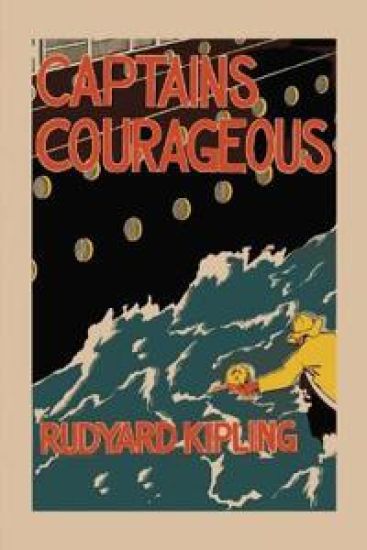
The adventures of Harvey Chaney Jr., an arrogant and spoiled son of a railroad tycoon. Washed overboard from a transatlantic steamship and rescued by fishermen on the Grand Banks, Harvey cannot persuade them to take him ashore, nor convince them of his wealth. However, the captain of a passing schooner offers him a job as crew until they return to port. With no other choice, Harvey accepts, and there begins a series of trials and adventures where the boy learns to adjust to his rough new life, and takes the first steps towards becoming a man.
The stories, first published in 1902, are pourquoi stories, fantastic accounts of how various phenomena came about. A forerunner of these stories is "How Fear Came" in The Second Jungle Book (1895), in which Mowgli hears the story of how the tiger got his stripes.
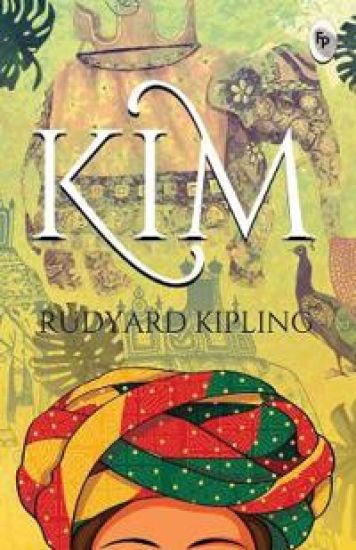
INDIA... In the late 19th Century, Kim is the orphaned son of an Irish soldier who died in poverty. Earning a living by begging and running errands for Mahtub Ali, a local horse trader, Kim finds himself drawn into Mahtub Ali's other business... working as a spy for the Colonial British Government, and he also develops a friendship with a Tibetan Lama. One of the greatest and most beloved novels of all time.
Kim, aka Kimball O'Hara, is the orphan son of a British soldier and a half-caste opium addict in India. While running free through the streets of Lahore as a child he befriends a British secret service agent. Later, attaching himself to a Tibetan Lama on a quest to be freed from the Wheel of Life, Kim becomes the Lama's disciple, but is also used by the British to carry messages to the British commander in Umballa. Kim's trip with the Lama along the Grand Trunk Road is only the first great adventure in the novel...
The Second Jungle Book is a sequel to The Jungle Book by Rudyard Kipling. First published in 1895, it features five stories about Mowgli and three unrelated stories, all but one set in India, most of which Kipling wrote while living in Vermont. All of the stories were previously published in magazines in 1894-5, often under different titles. The book is less well-known than the original.
The Man Who Would be King (1888) is a short story by Rudyard Kipling chronicling the adventures of two British men who become kings in Kafiristan (now a province of Afghanistan).
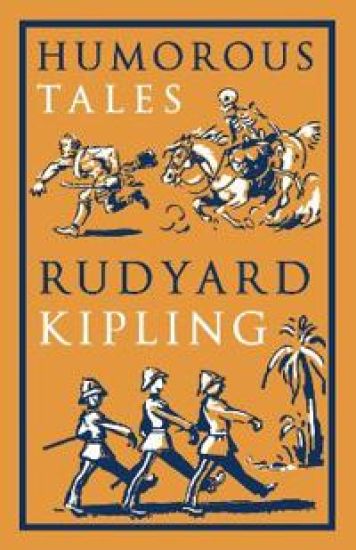
First published in 1921, this volume collects some of the most comical stories Kipling published throughout his writing career. These tales derive their humour from absurd situations – a drunken Irish soldier waking up to find himself worshipped as a god in the Indian holy city of Benares, a monkey let loose in an English village – and from lampooning the attitudes and discourses of the time. While presenting many aspects which will be familiar to Kipling readers – rollicking adventures, exotic locales and an interest in the animal world – these Humorous Tales explore the more light-hearted and amusing side to the great master’s work.
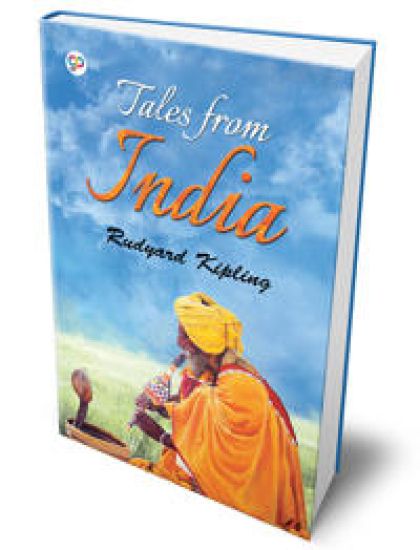
Tales from India presents the very best of Kipling's short stories. His vignettes of life in British India give vivid insights into Anglo-India at work and play, and into the character of the Indians themselves. Witty, wry, sometimes cynical, these tales with their brevity and concentration of effect are landmarks in the history of the short story as an art-form. Politics, the Raj, and the life of the common soldier are some of the familiar themes associated with Kipling, but these stories also reflect the more unexpected aspects of Kipling's character and the different influences of the contrasting countries--India, America and England--in which he lived. His progressive portrayal of women, his interest in supernatural and religious experiences, his understanding of the processes of mental and spiritual breakdown, and the curative powers of art, are all revealed in this fascinating perspective of a great writer. About the Author: Rudyard Kipling (1865-1936) was born in Bombay, but educated in England at the United Services College, Westward Ho, Bideford. In 1882 he returned to India, where he worked for Anglo-Indian newspapers. His literary career began with Departmental Ditties (1886), but subsequently he became chiefly known as a writer of short stories. A prolific writer, he achieved fame quickly. Kipling was the poet of the British Empire and its yeoman, the common soldier, whom he glorified in many of his works, in particular Plain Tales from the Hills (1888) and Soldiers Three (1888), collections of short stories with roughly and affectionately drawn soldier portraits. His Barrack Room Ballads (1892) were written for, as much as about, the common soldier. In 1894 appeared his Jungle Book, which became a children's classic all over the world. Kim (1901), the story of Kimball O'Hara and his adventures in the Himalayas, is perhaps his most felicitous work. Other works include The Second Jungle Book (1895), The Seven Seas (1896), Captains Courageous (1897), The Day's Work (1898), Stalky and Co. (1899), Just So Stories (1902), Trafficks and Discoveries (1904), Puck of Pook's Hill (1906), Actions and Reactions (1909), Debits and Credits (1926), Thy Servant a Dog (1930), and Limits and Renewals (1932). During the First World War Kipling wrote some propaganda books. His collected poems appeared in 1933. Kipling was the recipient of many honorary degrees and other awards. In 1926 he received the Gold Medal of the Royal Society of Literature, which only Scott, Meredith, and Hardy had been awarded before him. Rudyard Kipling died on January 18, 1936.

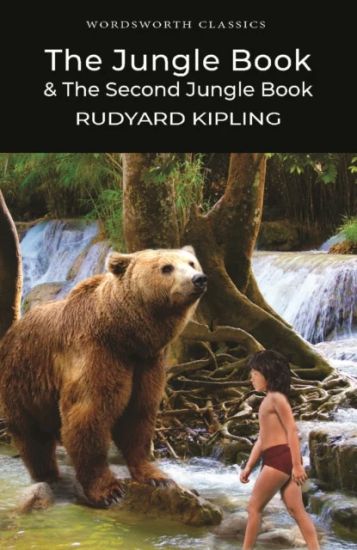
The Jungle Book & The Second Jungle Book
Rudyard Kipling
Wordsworth Editions Ltd
2018
nidottu
Halvin toimitettuna 10,90 €
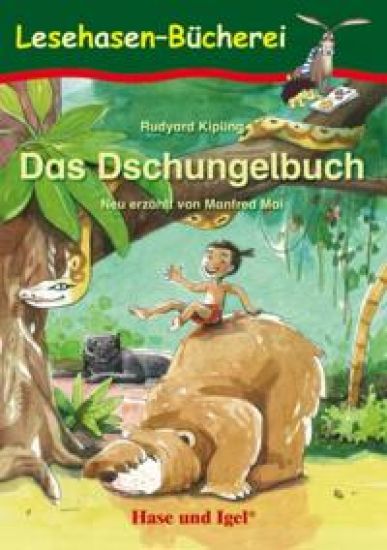
The Jungle Book introduces Mowgli, the human foundling adopted by a family of wolves. It tells of the enmity between him and the tiger Shere Khan, who killed Mowgli's parents, and of the friendship between the man-cub and Bagheera, the black panther, and Baloo, the sleepy brown bear, who instructs Mowgli in the Laws of the Jungle. The Second Jungle Book contains some of the most thrilling of the Mowgli stories. It includes Red Dog, in which Mowgli forms an unlikely alliance with the python Kaa, How Fear Came and Letting in the Jungle as well as The Spring Running, which brings Mowgli to manhood and the realisation that he must leave Bagheera, Baloo and his other friends for the world of man.
Step into the vibrant world of Kim, Rudyard Kipling's iconic novel. Set against the backdrop of colonial India, this captivating tale follows the adventures of an orphaned boy named Kim as he navigates the complexities of identity, loyalty, and espionage. With a stunning cover design and insightful commentary, this edition is perfect for fans of classic literature and adventure stories. Explores the themes of identity and cultural diversity Memorable characters and rich cultural portrayals A must-read for fans of adventure and literary exploration A compelling coming-of-age story An adventure-filled classic
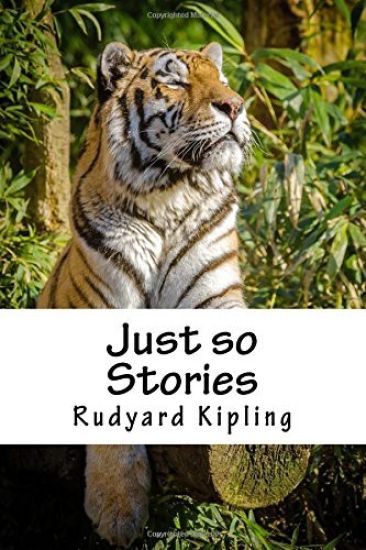
First published in 1902, "Just So Stories" is Rudyard Kipling's classic collection of animal fables and poetry. This collection grew out of nighttime story-telling between Rudyard and his daughter Josephine. The peculiar name is drawn from her insistence that these tales, which were origin stories describing how animals got their most distinctive features, be told "just so". This volume reproduces the complete edition of "Just So Stories" which includes the following stories: "How The Whale Got His Throat", "How The Camel Got His Hump", "How The Rhinoceros Got His Skin", "How The Leopard Got His Spots", "The Elephant's Child", "The Sing-Song of Old Man Kangaroo", "The Beginning of the Armadillos", "How The First Letter Was Written", "How The Alphabet Was Made", "The Crab That Played With The Sea", "The Cat That Walked By Himself", "The Tabu Tale", and "The Butterfly That Stamped". This edition is printed on premium acid-free paper and includes the original illustrations by the author.
The Jungle Book - The Classic Story Told By Rudyard Kipling
Rudyard Kipling
Createspace Independent Publishing Platform
2018
nidottu
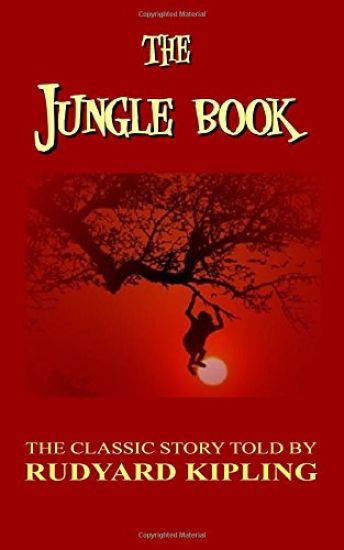
The original and classic story told by Rudyard Kipling first published in 1894 and adapted into the film we all know and love. This is the story of Mowgli, a young boy, who was adopted and raised by a family of wolves. A story of friendship and abandonment, law and freedom, respect and authority and how to survive in the jungle. A story full or moral lessons. Follow Mowgli's adventures in The Jungle Book, told by a master storyteller: Rudyard Kipling.
Imrays återkomst och andra besynnerliga historier
Rudyard Kipling; Jonas Wessel
Hastur förlag
2017
nidottu
Denna uppföljare till Hastur förlags Rudyard Kipling-volym ”Vilddjurets märke och andra sällsamma berättelser” (ISBN: 9789186835187) innehåller ytterligare 10 av nobelpristagarens kusliga, fantastiska och övernaturliga historier. ”De ohyggliga rynkorna på ryggen var täckta av havsbottnens gyttja. Det vita huvudet kastades bakåt mot såren, och kroppen reste sig i vilda plågor upp ur det rödfärgade vattnet, tills vi såg ett par skälvande skuldror, täckta med tång och musselskal, men som på de nakna fläckarna var lika vita som det hårlösa, blinda och tandlösa huvudet.” (Ur "En sann händelse") 10 noveller om det udda, besynnerliga och utomvärldsliga av nobelpristagaren Rudyard Kipling (1865-1936). Vad hände egentligen med Imray? Varför minns dussinförfattaren Charlie Mears flera tidigare liv? Vilka egendomliga krafter vilar i den legendariska Bisaran från Puri, och vad är det som sker i Suddhoos hus? Hur gick det egentligen till när Zodiakens barn nedsteg till Jorden och upphörde att vara gudar? Är det verkligen ett sjöodjur som besättningen på skeppet Rathmines ser? Vad är det för väsen som hemsöker det fordom muntra godset Holmescroft och driver folk till vansinne? Alla dessa frågor får sina svar i Imrays återkomst och andra besynnerliga historier. Denna utgåvan är rikligt illustrerad, och innehåller såväl kommentarer som en initierad och fyllig efterskrift om Kiplings liv och verk.
The Jungle Book (1894) is a collection of stories written by Rudyard Kipling. The tales in the book (and also those in The Second Jungle Book which followed in 1895, and which includes five further stories about Mowgli) are fables, using animals in an anthropomorphic manner to give moral lessons.
The narrator of the story is a British journalist in 19th Century India-Kipling himself, in all but name. Whilst on a tour of some Indian native states he meets two scruffy adventurers, Daniel Dravot and Peachey Carnehan. Softened by their stories, he agrees to help them in a minor errand, but later he regrets this and informs the authorities about them-preventing them from blackmailing a minor rajah. A few months later the pair appear at his newspaper office in Lahore.