Kirjojen hintavertailu – 12 873 414 kirjaa ja 26 kauppaa
Kirjailija
Ruth Ben-Ghiat
Kirjat ja teokset yhdessä paikassa: 7 kirjaa, julkaisuja vuosilta 2001–2021, suosituimpiin kuuluu Strongmen. Vertaile teosten hintoja ja tarkista saatavuus suomalaisista kirjakaupoista.
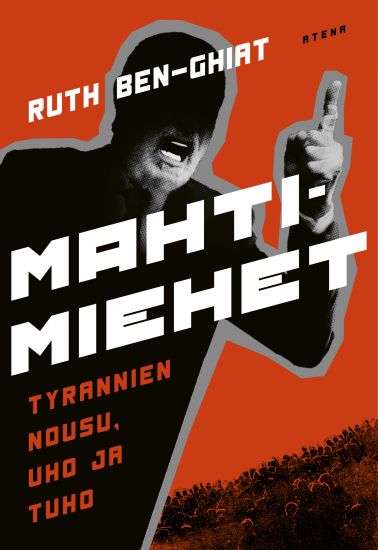
Väkevä tietokirja tyrannien uudesta noususta. Autoritaarisia, maskuliinisuuttaan korostavia johtajia on noussut valtaan Brasiliasta Unkariin ja Turkista Intiaan. He hyödyntävät samoja keinoja kuin Mussolini ja Hitler aikoinaan ja valtaan päästyään he rapauttavat demokratiaa valeuutisilla, vaalien manipuloinnilla ja suoralla väkivallalla. Valta turmelee nopeasti. Mahtimiehet uskovat, että heillä on lupa mihin vain. Hitler ja Putin ovat pitäneet valtion kassaa omana kulutilinään. Gaddafi puolestaan vei seksiorjajoukon mukaan valtiovierailuille. Ajankohtainen tietokirja kysyy, miksi tyrannit ovat nousseet taas valtaan, vaikka historiallinen todistusaineisto puhuu heitä vastaan.
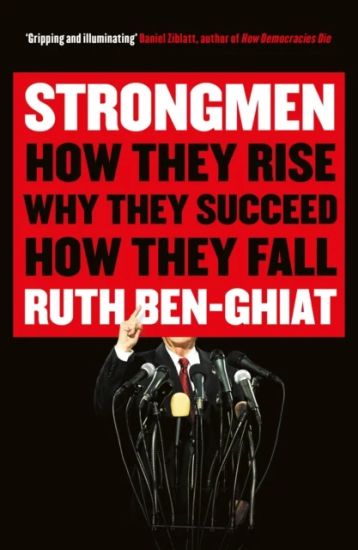
'A gripping and illuminating picture of how strongmen have deployed violence, seduction, and corruption' Daniel Ziblatt, co-author of How Democracies Die 'A timely analysis of how a certain kind of charisma delivers political disaster' Timothy Snyder, author of On Tyranny Ours is the age of the strongman. Countries from Russia to India, Turkey to America are ruled by men who combine populist appeal with authoritarian policy. They have reshaped their countries around them, creating cults of personality which earn the loyalty of millions. And they do so by drawing on a playbook of behaviour established by figures such as Benito Mussolini, Muammar Gaddafi and Adolf Hitler. So why - despite the evidence of history - do strongmen still hold such appeal for us? Historian Ruth Ben-Ghiat draws on analysis of everything from gender to corruption and propaganda to explain who these political figures are - and how they manipulate our own history, fears and desires in search of power at any cost. Strongmen is a fierce and perceptive history, and a vital step in understanding how to combat the forces which seek to derail democracy and seize our rights.
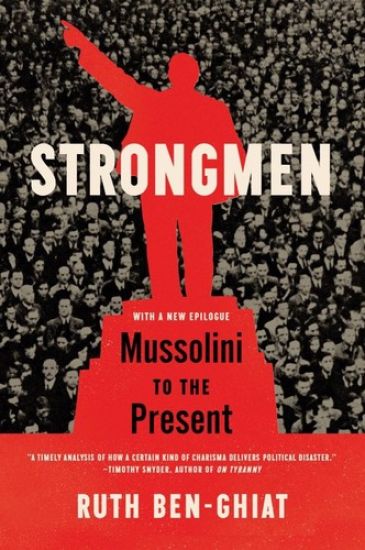
Ruth Ben-Ghiat is the expert on the "strongman" playbook employed by authoritarian demagogues from Mussolini to Putin--enabling her to predict with uncanny accuracy the recent experience in America and Europe. In Strongmen, she lays bare the blueprint these leaders have followed over the past 100 years, and empowers us to recognize, resist, and prevent their disastrous rule in the future. For ours is the age of authoritarian rulers: self-proclaimed saviors of the nation who evade accountability while robbing their people of truth, treasure, and the protections of democracy. They promise law and order, then legitimize lawbreaking by financial, sexual, and other predators. They use masculinity as a symbol of strength and a political weapon. Taking what you want, and getting away with it, becomes proof of male authority. They use propaganda, corruption, and violence to stay in power. Vladimir Putin and Mobutu Sese Seko's kleptocracies, Augusto Pinochet's torture sites, Benito Mussolini and Muammar Gaddafi's systems of sexual exploitation, and Silvio Berlusconi and Donald Trump's relentless misinformation: all show how authoritarian rule, far from ensuring stability, is marked by destructive chaos. No other type of leader is so transparent about prioritizing self-interest over the public good. As one country after another has discovered, the strongman is at his worst when true guidance is most needed by his country. Recounting the acts of solidarity and dignity that have undone strongmen over the past 100 years, Ben-Ghiat makes vividly clear that only by seeing the strongman for what he is--and by valuing one another as he is unable to do--can we stop him, now and in the future.
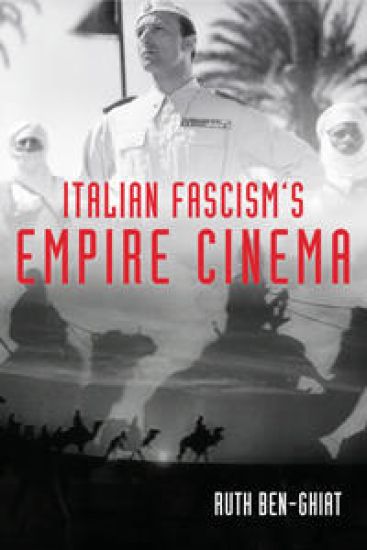
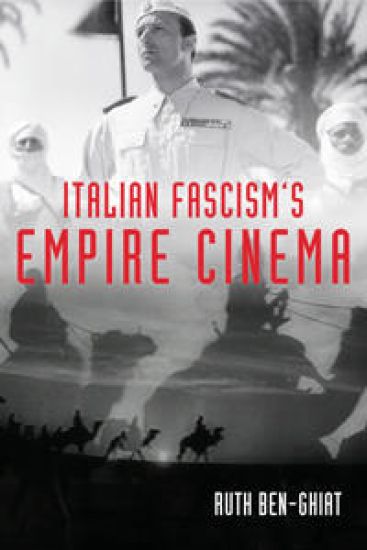
Ruth Ben-Ghiat provides the first in-depth study of feature and documentary films produced under the auspices of Mussolini's government that took as their subjects or settings Italy's African and Balkan colonies. These "empire films" were Italy's entry into an international market for the exotic. The films engaged its most experienced and cosmopolitan directors (Augusto Genina, Mario Camerini) as well as new filmmakers (Roberto Rossellini) who would make their marks in the postwar years. Ben-Ghiat sees these films as part of the aesthetic development that would lead to neo-realism. Shot in Libya, Somalia, and Ethiopia, these movies reinforced Fascist racial and labor policies and were largely forgotten after the war. Ben-Ghiat restores them to Italian and international film history in this gripping account of empire, war, and the cinema of dictatorship.
Ruth Ben-Ghiat provides the first in-depth study of feature and documentary films produced under the auspices of Mussolini's government that took as their subjects or settings Italy's African and Balkan colonies. These "empire films" were Italy's entry into an international market for the exotic. The films engaged its most experienced and cosmopolitan directors (Augusto Genina, Mario Camerini) as well as new filmmakers (Roberto Rossellini) who would make their marks in the postwar years. Ben-Ghiat sees these films as part of the aesthetic development that would lead to neo-realism. Shot in Libya, Somalia, and Ethiopia, these movies reinforced Fascist racial and labor policies and were largely forgotten after the war. Ben-Ghiat restores them to Italian and international film history in this gripping account of empire, war, and the cinema of dictatorship.
Ruth Ben-Ghiat's innovative cultural history of Mussolini's dictatorship is a provocative discussion of the meanings of modernity in interwar Italy. Eloquent, pathbreaking, and deft in its use of a broad range of materials, this work argues that fascism appealed to many Italian intellectuals as a new model of modernity that would resolve the contemporary European crisis as well as long-standing problems of the national past. Ben-Ghiat shows that--at a time of fears over the erosion of national and social identities--Mussolini presented fascism as a movement that would allow economic development without harm to social boundaries and national traditions. She demonstrates that although the regime largely failed in its attempts to remake Italians as paragons of a distinctly fascist model of mass society, twenty years of fascism did alter the landscape of Italian cultural life. Among younger intellectuals in particular, the dictatorship left a legacy of practices and attitudes that often continued under different political rubrics after 1945.
Ruth Ben-Ghiat's innovative cultural history of Mussolini's dictatorship is a provocative discussion of the meanings of modernity in interwar Italy. Eloquent, pathbreaking, and deft in its use of a broad range of materials, this work argues that fascism appealed to many Italian intellectuals as a new model of modernity that would resolve the contemporary European crisis as well as long-standing problems of the national past. Ben-Ghiat shows that--at a time of fears over the erosion of national and social identities--Mussolini presented fascism as a movement that would allow economic development without harm to social boundaries and national traditions. She demonstrates that although the regime largely failed in its attempts to remake Italians as paragons of a distinctly fascist model of mass society, twenty years of fascism did alter the landscape of Italian cultural life. Among younger intellectuals in particular, the dictatorship left a legacy of practices and attitudes that often continued under different political rubrics after 1945.