
Kirjailija
Ruth Ozeki
Kirjat ja teokset yhdessä paikassa: 22 kirjaa, julkaisuja vuosilta 1999–2026, suosituimpiin kuuluu The Typing Lady. Vertaile teosten hintoja ja tarkista saatavuus suomalaisista kirjakaupoista.
22 kirjaa
Kirjojen julkaisuvuodet: 1999–2026.
A spellbinding story collection from Booker Prize finalist Ruth Ozeki, about the lives we almost lived, the people we can't quite forget, and the stories that shape us long after the last page is turned In this spirited and emotionally resonant collection, award-winning novelist Ruth Ozeki turns her singular gaze to the short story, exploring childhood ambition, youthful desire, midlife reinvention, and the unsparing clarity of old age. With her distinctive blend of wit, warmth, and deep humanity, she brings us twelve richly imagined stories of characters standing at life's thresholds--grappling with faded ideals, evolving identities, and the inevitable compromises that shape a life. A college student falls for her professor and learns to transmute longing into language. A disquieted husband watches with tenderness and unease as the ghost of his wife's ambition roams the woods outside their home. A long-deceased Beat poet hijacks the mind of a young publishing assistant during a sales meeting, railing against the state of modern literature. A curious grandmother creates a fake online dating profile to spy on her granddaughter's romantic life--and sets in motion a deception she can't control. Spanning eras and geographies--from a New England college town in the 1970s to downtown Manhattan in the 1990s to a moss-covered Pacific Northwest island during the early pandemic--The Typing Lady is an electrifying meditation on the stories we tell ourselves, the stories we abandon, and the stories we become. Threaded with the tactile ephemera of writing--typewriters, letters, manuscripts, and disappearing ink--the book reveals how we record ourselves in language, and how language, over time, records us in return.
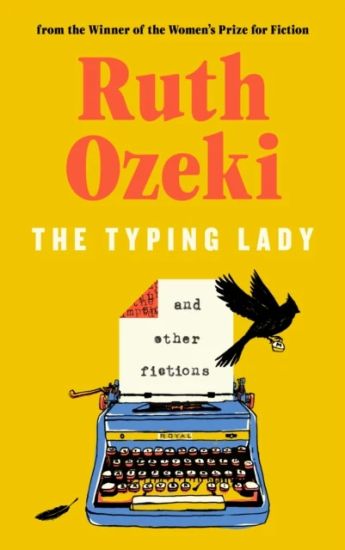
The first short story collection from the Booker Prize finalist and winner of the Women's Prize for Fiction about the lives we almost lived, the people we can't quite forget and the stories that shape us long after the last page is turned
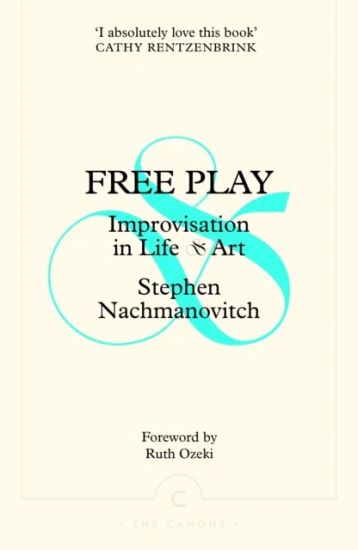
Free Play
Stephen Nachmanovitch; Ruth Ozeki
Canongate Books
2024
pokkari
Halvin toimitettuna 21,80 €
This book is about the inner sources of spontaneous creation. It is about where art in the widest sense comes from. It is about why we create and what we learn while doing so. It is about the flow of unhindered creative energy: the joy of making art in all its varied forms. Free Play is directed towards people in any field who want to contact, honour and strengthen their own creative powers. It reveals how inspiration arises within us, how that inspiration may be blocked, derailed or obscured by certain unavoidable facts of life. How it can finally be liberated - how we can be liberated - to speak or sing, write or paint, dance or play, with our own authentic voice. Wise, generous and timeless, it has been a touchstone for creativity since 1990 and it is a book that you will find yourself reaching for again and again in times of need. This 2024 edition includes a new afterword by the author and a foreword by Women's Prize for Fiction-winner Ruth Ozeki.
Ot avtora bestsellera "Moja ryba budet zhit"Vpervye na russkom jazykeRomany avtora perevedeny bolee chem na 30 jazykovKogda my smotrimsja v zerkalo, to vidim lish obraz, kotoryj javljaem miru. No kakie my na samom dele? Chto skryvaetsja za vneshnim oblikom? Geroinja razgljadyvaet svoe otrazhenie v zerkale i nachinaet vspominat proshloe. Ona dumaet obo vsekh tekh melkikh i bolshikh sobytijakh, kotorye povlijali na nee i sdelali toj, kem ona est sejchas: o neobychnom detstve, o pervom ljubovnom opyte, ob udivitelnykh kornjakh (mat japonka, otets amerikanets), o maskakh japonskogo teatra No, o pogruzhenii v religiju i o mnogom drugom. Na styke dvukh kultur, slovno mezhdu mirami, ona pytaetsja poznat sebja i prozhivaet jarkuju i interesnuju zhizn. No chto budet s nej dalshe i primet li ona sebja takoj, kakaja ona est? Vpervye na russkom. Novaja kniga ot avtora bestsellera "Moja ryba budet zhit". Romany Rut Ozeki perevedeny na 30 jazykov i stali laureatami desjatka literaturnykh premij. Ozeki - pervaja inostrannaja obladatelnitsa premii "Jasnaja poljana". Otkryt dlja sebja zanovo pogovorku "Litso - zerkalo dushi". Uznat interesnye podrobnosti o zhizni Rut Ozeki - pisatelnitsy, kinorezhissera i dzen-buddistskogo svjaschennika. Perevodchik: Jakovlev A.
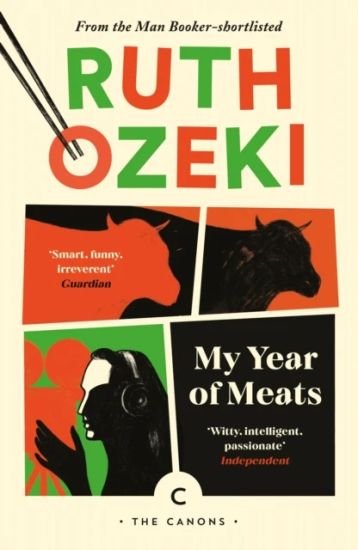
In a single eye-opening year two women, worlds apart, experience parallel awakenings. In New York, Jane Takagi-Little lands a job producing a Japanese television show sponsored by an American meat-exporting business, exposing some unsavoury truths - about the meat industry and herself. In Tokyo, housewife Akiko Ueno diligently prepares the recipes from Jane's programme. Struggling to please her husband, she increasingly doubts her commitment to the life she has fallen into. As Jane and Akiko both battle to assert their individuality on opposite sides of the globe, they are drawn together in a startling story of strength, courage and love.

Twenty-five years after running away from her family's farm in Idaho, Yumi Fuller returns home to care for her ailing parents and to confront her best friend and her conflicted past. She finds a world changed beyond recognition; and with the arrival of a group of young anti-GM activists, she finds herself caught up in a new revolution. All Over Creation is an exploration of the dichotomies of love and responsibility and a celebration of the capacity for renewal that resides within us all.
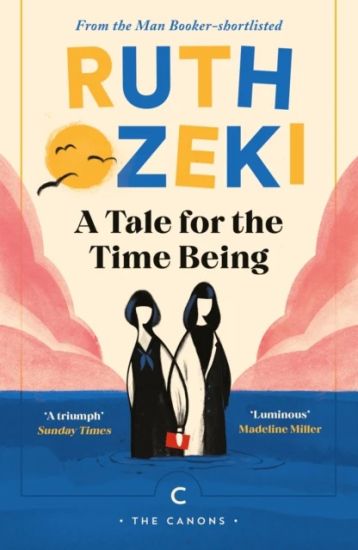
In the wake of the 2011 tsunami, Ruth discovers a Hello Kitty lunchbox washed up on the shore of her beach home in British Columbia. Within it lies a diary that expresses the hopes, heartbreak and dreams of a young girl desperate for someone to understand her. Each turn of the page pulls Ruth deeper into the mystery of Nao's life, and forever changes her in a way neither could foresee. Weaving across continents and decades, A Tale for the Time Being is an extraordinary novel about our shared humanity and the search for home.
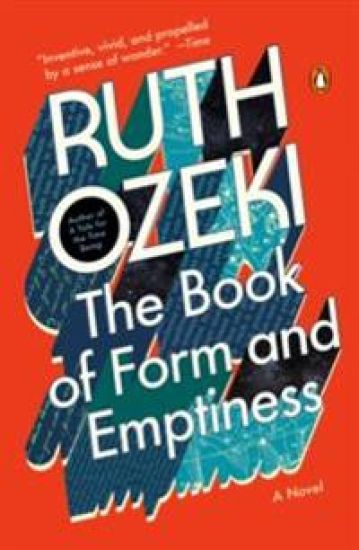
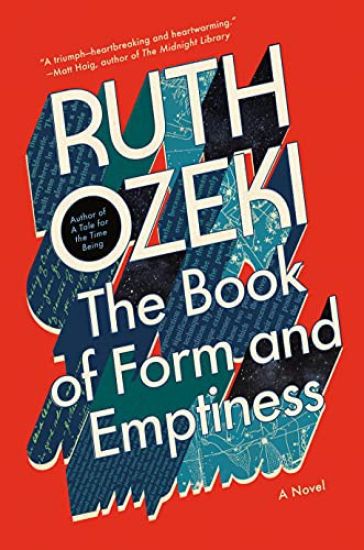
Winner of the Women's Prize for Fiction"No one writes like Ruth Ozeki--a triumph." --Matt Haig, New York Times bestselling author of The Midnight Library "Inventive, vivid, and propelled by a sense of wonder." --TIME "If you've lost your way with fiction over the last year or two, let The Book of Form and Emptiness light your way home." --David Mitchell, Booker Prize-finalist author of Cloud Atlas A boy who hears the voices of objects all around him; a mother drowning in her possessions; and a Book that might hold the secret to saving them both--the brilliantly inventive new novel from the Booker Prize-finalist Ruth Ozeki One year after the death of his beloved musician father, thirteen-year-old Benny Oh begins to hear voices. The voices belong to the things in his house--a sneaker, a broken Christmas ornament, a piece of wilted lettuce. Although Benny doesn't understand what these things are saying, he can sense their emotional tone; some are pleasant, a gentle hum or coo, but others are snide, angry and full of pain. When his mother, Annabelle, develops a hoarding problem, the voices grow more clamorous. At first, Benny tries to ignore them, but soon the voices follow him outside the house, onto the street and at school, driving him at last to seek refuge in the silence of a large public library, where objects are well-behaved and know to speak in whispers. There, Benny discovers a strange new world. He falls in love with a mesmerizing street artist with a smug pet ferret, who uses the library as her performance space. He meets a homeless philosopher-poet, who encourages him to ask important questions and find his own voice amongst the many. And he meets his very own Book--a talking thing--who narrates Benny's life and teaches him to listen to the things that truly matter. With its blend of sympathetic characters, riveting plot, and vibrant engagement with everything from jazz, to climate change, to our attachment to material possessions, The Book of Form and Emptiness is classic Ruth Ozeki--bold, wise, poignant, playful, humane and heartbreaking.
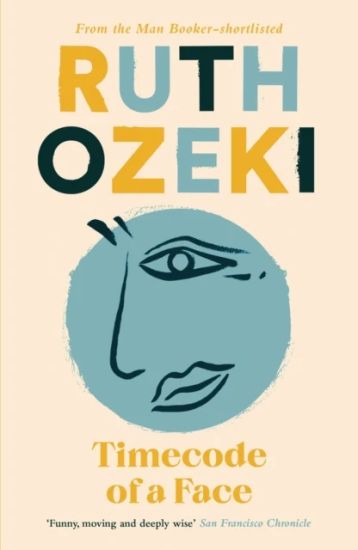
What did your face look like before your parents were born? Who are you? What is your true self? These are the questions in Ruth Ozeki's mind as she challenges herself to spend three hours gazing into her own reflection, recording every thought and detail. What follows are a lifetime's worth of meditations on race, ageing, family, death, the body, self-doubt and, finally, acceptance. In this profound encounter with memory and the mirror, Ozeki weaves together personal history, professional experience, Zen philosophy, Japanese culture and more to paint a rich, intimate and utterly unique portrait of a life as told through a face.
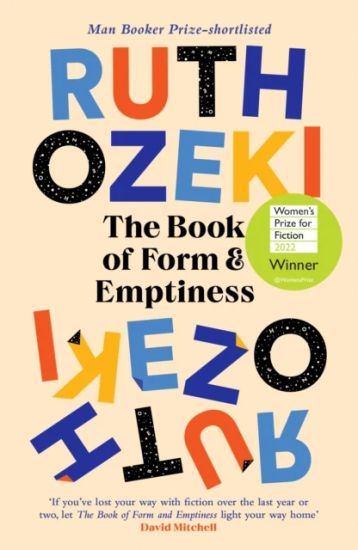
WINNER OF THE WOMEN'S PRIZE FOR FICTION 2022When a book and a reader are meant for each other, both of them know it . . . After the tragic death of his father, fourteen-year-old Benny Oh begins to hear voices. The voices belong to the things in his house and sound variously pleasant, angry or sad. Then his mother develops a hoarding problem, and the voices grow more clamorous. So Benny seeks refuge in the silence of a large public library. There he meets a mesmerising street artist with a smug pet ferret; a homeless philosopher-poet; and his very own Book, who narrates Benny's life and teaches him to listen to the things that truly matter. Blending unforgettable characters with jazz, climate change and our attachment to material possessions, this is classic Ruth Ozeki - bold, humane and heartbreaking.
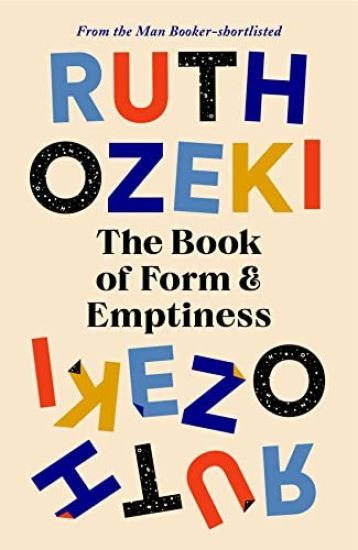
One year after the death of his beloved musician father, thirteen-year-old Benny Oh begins to hear voices. The voices belong to the things in his house - a sneaker, a broken Christmas ornament, a piece of wilted lettuce. Although Benny doesn't understand what these things are saying, he can sense their emotional tone; some are pleasant, a gentle hum or coo, but others are snide, angry and full of pain. When his mother develops a hoarding problem, the voices grow more clamorous. At first Benny tries to ignore them, but soon the voices follow him outside the house, onto the street and at school, driving him at last to seek refuge in the silence of a large public library, where objects are well-behaved and know to speak in whispers. There, he falls in love with a mesmerising street artist with a smug pet ferret, who uses the library as her performance space. He meets a homeless philosopher-poet, who encourages him to ask important questions and find his own voice amongst the many. And he meets his very own Book - a talking thing - who narrates Benny's life and teaches him to listen to the things that truly matter. The Book of Form and Emptiness blends unforgettable characters, riveting plot and vibrant engagement with everything from jazz to climate change to our attachment to material possessions. This is classic Ruth Ozeki - bold, humane and heartbreaking.
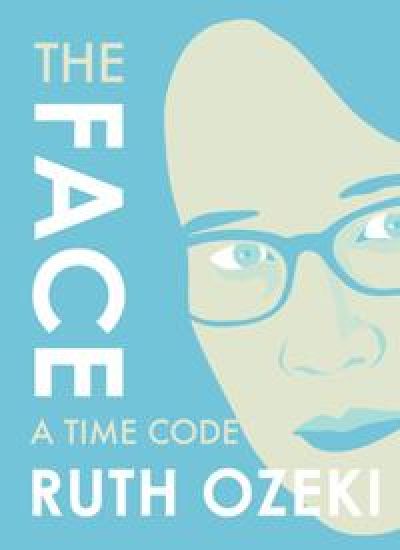
What did your face look like before your parents were born? In The Face: A Time Code, bestselling author and Zen Buddhist priest Ruth Ozeki recounts, in moment-to-moment detail, a profound encounter with memory and the mirror. Ozeki challenges herself to spend three hours gazing into her own reflection, recording her thoughts and noticing every possible detail. Those solitary hours open up a lifetime's worth of meditations on race, aging, family, death, the body, self-doubt and, finally, acceptance. Ozeki paints an intimate and rich portrait of life as told through a face.
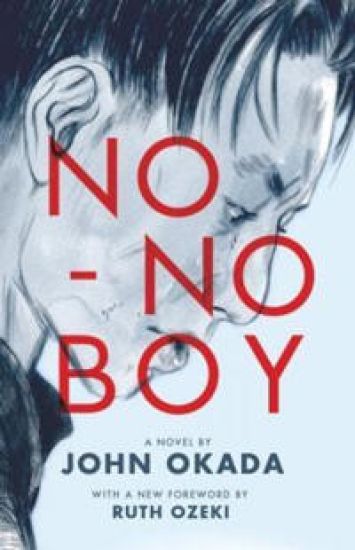
"No-No Boy has the honor of being among the first of what has become an entire literary canon of Asian American literature," writes novelist Ruth Ozeki in her new foreword. First published in 1957, No-No Boy was virtually ignored by a public eager to put World War II and the Japanese internment behind them. It was not until the mid-1970s that a new generation of Japanese American writers and scholars recognized the novel's importance and popularized it as one of literature's most powerful testaments to the Asian American experience. No-No Boy tells the story of Ichiro Yamada, a fictional version of the real-life "no-no boys." Yamada answered "no" twice in a compulsory government questionnaire as to whether he would serve in the armed forces and swear loyalty to the United States. Unwilling to pledge himself to the country that interned him and his family, Ichiro earns two years in prison and the hostility of his family and community when he returns home to Seattle. As Ozeki writes, Ichiro's "obsessive, tormented" voice subverts Japanese postwar "model-minority" stereotypes, showing a fractured community and one man's "threnody of guilt, rage, and blame as he tries to negotiate his reentry into a shattered world." The first edition of No-No Boy since 1979 presents this important work to new generations of readers.
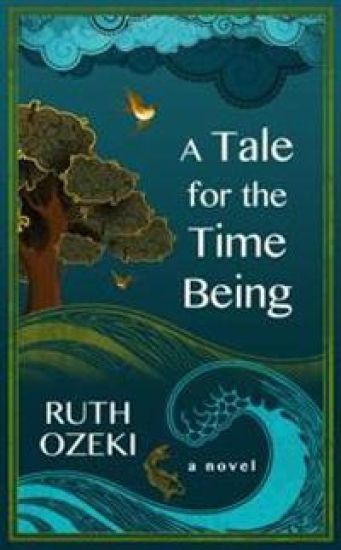
A brilliant, unforgettable novel from bestselling author Ruth Ozeki--shortlisted for the Booker Prize ""A time being is someone who lives in time, and that means you, and me, and every one of us who is, or was, or ever will be."" In Tokyo, sixteen-year-old Nao has decided there's only one escape from her aching loneliness and her classmates' bullying. But before she ends it all, Nao first plans to document the life of her great grandmother, a Buddhist nun who's lived more than a century. A diary is Nao's only solace--and will touch lives in ways she can scarcely imagine. Across the Pacific, we meet Ruth, a novelist living on a remote island who discovers a collection of artifacts washed ashore in a Hello Kitty lunchbox--possibly debris from the devastating 2011 tsunami. As the mystery of its contents unfolds, Ruth is pulled into the past, into Nao's drama and her unknown fate, and forward into her own future. Full of Ozeki's signature humor and deeply engaged with the relationship between writer and reader, past and present, fact and fiction, quantum physics, history, and myth, "A Tale for the Time Being" is a brilliantly inventive, beguiling story of our shared humanity and the search for home.
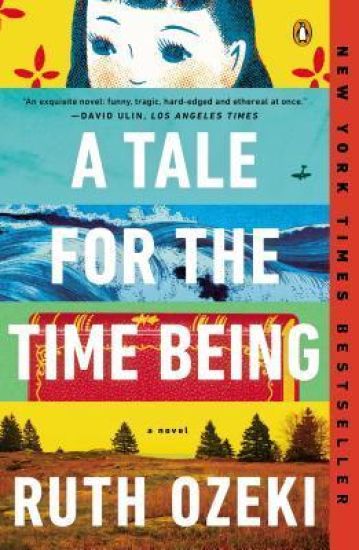
A brilliant, unforgettable novel from bestselling author Ruth Ozeki, author of The Book of Form and Emptiness Finalist for the Booker Prize and the National Book Critics Circle Award "A time being is someone who lives in time, and that means you, and me, and every one of us who is, or was, or ever will be." In Tokyo, sixteen-year-old Nao has decided there's only one escape from her aching loneliness and her classmates' bullying. But before she ends it all, Nao first plans to document the life of her great grandmother, a Buddhist nun who's lived more than a century. A diary is Nao's only solace--and will touch lives in ways she can scarcely imagine. Across the Pacific, we meet Ruth, a novelist living on a remote island who discovers a collection of artifacts washed ashore in a Hello Kitty lunchbox--possibly debris from the devastating 2011 tsunami. As the mystery of its contents unfolds, Ruth is pulled into the past, into Nao's drama and her unknown fate, and forward into her own future. Full of Ozeki's signature humor and deeply engaged with the relationship between writer and reader, past and present, fact and fiction, quantum physics, history, and myth, A Tale for the Time Being is a brilliantly inventive, beguiling story of our shared humanity and the search for home.