Kirjojen hintavertailu – 12 903 724 kirjaa ja 27 kauppaa
Kirjailija
Ryszard Tadeusiewicz
Kirjat ja teokset yhdessä paikassa: 9 kirjaa, julkaisuja vuosilta 2004–2020, suosituimpiin kuuluu Medical Image Understanding Technology. Vertaile teosten hintoja ja tarkista saatavuus suomalaisista kirjakaupoista.
The utility of artificial neural network models lies in the fact that they can be used to infer functions from observations making them especially useful in applications where the complexity of data or tasks makes the design of such functions by hand impractical. Exploring Neural Networks with C# presents the important properties of neural networks while keeping the complex mathematics to a minimum. Explaining how to build and use neural networks, it presents complicated information about neural networks structure, functioning, and learning in a manner that is easy to understand. Taking a "learn by doing" approach, the book is filled with illustrations to guide you through the mystery of neural networks. Examples of experiments are provided in the text to encourage individual research. Online access to C# programs is also provided to help you discover the properties of neural networks. Following the procedures and using the programs included with the book will allow you to learn how to work with neural networks and evaluate your progress. You can download the programs as both executable applications and C# source code from http://home.agh.edu.pl/~tad//index.php?page=programyandlang=en
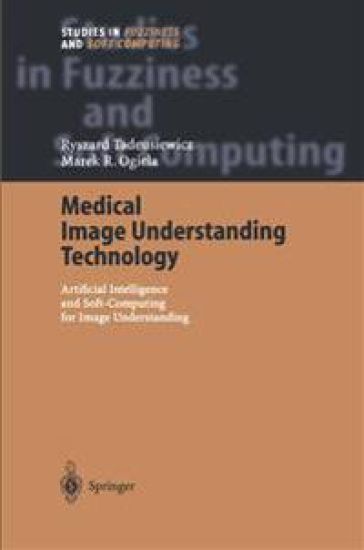
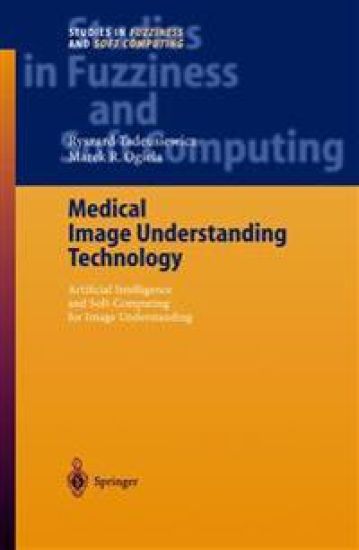
A detailed description of up-to-date methods used for computer processing and interpretation of medical images is given. The scope of the book include images acquisition, storing with compression, processing, analysis, recognition and also its automatic understanding In introduction general overview of the computer vision methods designed for medical images is presented. Next sources of medical images are presented with their general characteristics. Both traditional (like X-ray) and very modern (like PET) sources of medical images are presented. The main emphasis is placed on such properties of medical images given by particular medical imaging methods which are important form the point of view of its computer processing, analysis and recognition. The consecutive parts of the book describe compression and processing methods, including many methods developed by authors especially for medical images. After parts describing analysis and recognition of medical images come most important part, in which the new method of automatic understanding of medical images is given. This new method of image interpretation, described in previous works of the same authors with applications for simple 2D images now is generalized for 3D images and for complex medical images with many objects observed and with complicated relations between these objects.
The utility of artificial neural network models lies in the fact that they can be used to infer functions from observations—making them especially useful in applications where the complexity of data or tasks makes the design of such functions by hand impractical. Exploring Neural Networks with C# presents the important properties of neural networks—while keeping the complex mathematics to a minimum. Explaining how to build and use neural networks, it presents complicated information about neural networks structure, functioning, and learning in a manner that is easy to understand. Taking a "learn by doing" approach, the book is filled with illustrations to guide you through the mystery of neural networks. Examples of experiments are provided in the text to encourage individual research. Online access to C# programs is also provided to help you discover the properties of neural networks. Following the procedures and using the programs included with the book will allow you to learn how to work with neural networks and evaluate your progress. You can download the programs as both executable applications and C# source code from http://home.agh.edu.pl/~tad//index.php?page=programy&lang=en
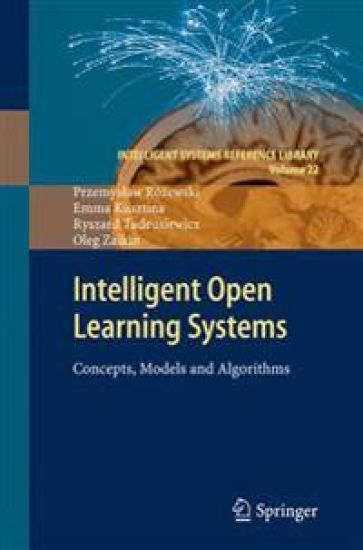
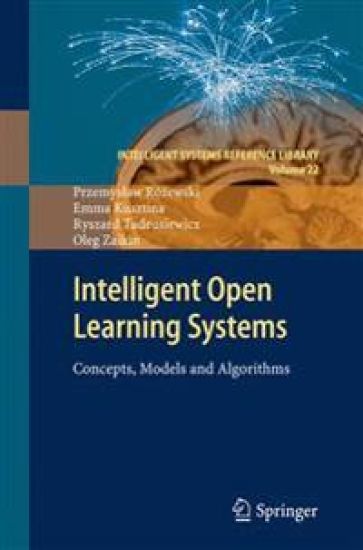
In presented book the Intelligent Open Learning Systems (IOLS) are proposed, described, discussed, and evaluated. The IOLS is a system in which traditional methods of online teaching are enhanced through the use of artificial intelligence and cognitive science. This is the main topic of the book. It consists of ten chapters and is divided into three parts. The first part concentrates on the Open Learning System (OLS) analysis, in particular: the social and educational meanings of the OLS, the new role of the teacher and the new requirements regarding the structure of didactic material. Moreover, the cybernetic model of student, teacher and computer collaboration is presented, the teaching-learning process content and its main characteristics are discussed, and the system based approach to the OLS design is proposed. The second part is focused on the problem of knowledge modeling in the OLS based on the ontology and the competence approaches and leading to the learning object concept and competence management in open systems. The third part describes applications of the OLS in the virtual laboratory for competence transfer, the community-built system of distance learning network, and the AGH student city – the real-life application of the OLS concept. The authors’ research findings presented in the book should be useful in various applications related to knowledge management, e-learning systems and information systems.
A detailed description of a new approach to perceptual analysis and processing of medical images is given. Instead of traditional pattern recognition a new method of image analysis is presented, based on a syntactic description of the shapes selected on the image and graph-grammar parsing algorithms. This method of "Image Understanding" can be found as a model of mans' cognitive image understanding processes. The usefulness for the automatic understanding of the merit of medical images is demonstrated as well as the ability for giving useful diagnostic descriptions of the illnesses. As an application, the production of a content-based, automatically generated index for arranging and for searching medical images in multimedia medical databases is presented.
In presented book the Intelligent Open Learning Systems (IOLS) are proposed, described, discussed, and evaluated. The IOLS is a system in which traditional methods of online teaching are enhanced through the use of artificial intelligence and cognitive science. This is the main topic of the book. It consists of ten chapters and is divided into three parts. The first part concentrates on the Open Learning System (OLS) analysis, in particular: the social and educational meanings of the OLS, the new role of the teacher and the new requirements regarding the structure of didactic material. Moreover, the cybernetic model of student, teacher and computer collaboration is presented, the teaching-learning process content and its main characteristics are discussed, and the system based approach to the OLS design is proposed. The second part is focused on the problem of knowledge modeling in the OLS based on the ontology and the competence approaches and leading to the learning object concept and competence management in open systems. The third part describes applications of the OLS in the virtual laboratory for competence transfer, the community-built system of distance learning network, and the AGH student city – the real-life application of the OLS concept. The authors’ research findings presented in the book should be useful in various applications related to knowledge management, e-learning systems and information systems.
A detailed description of up-to-date methods used for computer processing and interpretation of medical images is given. The scope of the book include images acquisition, storing with compression, processing, analysis, recognition and also its automatic understanding In introduction general overview of the computer vision methods designed for medical images is presented. Next sources of medical images are presented with their general characteristics. Both traditional (like X-ray) and very modern (like PET) sources of medical images are presented. The main emphasis is placed on such properties of medical images given by particular medical imaging methods which are important form the point of view of its computer processing, analysis and recognition. The consecutive parts of the book describe compression and processing methods, including many methods developed by authors especially for medical images. After parts describing analysis and recognition of medical images come most important part, in which the new method of automatic understanding of medical images is given. This new method of image interpretation, described in previous works of the same authors with applications for simple 2D images now is generalized for 3D images and for complex medical images with many objects observed and with complicated relations between these objects.
A detailed description of a new approach to perceptual analysis and processing of medical images is given. Instead of traditional pattern recognition a new method of image analysis is presented, based on a syntactic description of the shapes selected on the image and graph-grammar parsing algorithms. This method of "Image Understanding" can be found as a model of mans' cognitive image understanding processes. The usefulness for the automatic understanding of the merit of medical images is demonstrated as well as the ability for giving useful diagnostic descriptions of the illnesses. As an application, the production of a content-based, automatically generated index for arranging and for searching medical images in multimedia medical databases is presented.