Kirjojen hintavertailu – 12 903 724 kirjaa ja 27 kauppaa

Kirjailija

S. Frederick Starr

Kirjat ja teokset yhdessä paikassa: 36 kirjaa, julkaisuja vuosilta 1992–2024, suosituimpiin kuuluu Une Belle Maison. Vertaile teosten hintoja ja tarkista saatavuus suomalaisista kirjakaupoista.

36 kirjaa

Kirjojen julkaisuvuodet: 1992–2024.

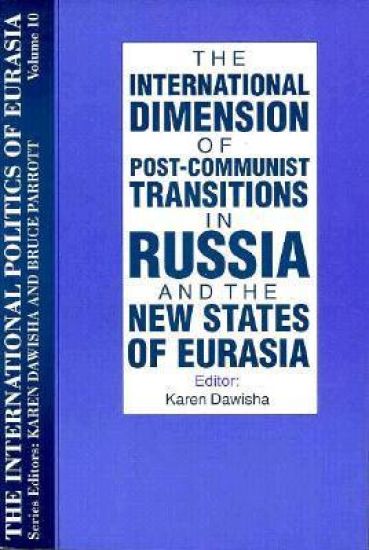
The International Politics of Eurasia: v. 10: The International Dimension of Post-communist Transitions in Russia and the New States of Eurasia
This ambitious ten-volume series develops a comprehensive analysis of the evolving world role of the post-Soviet successor states. Each volume considers a different factor influencing the relationship between internal politics and international relations in Russia and in the western and southern tiers of newly independent states. The collapse of the Soviet Union and the discrediting of Marxism-Leninism as a source of political legitimacy have prompted a search for fresh principles of political organization that will shape the nature of political culture in all the post-Soviet countries. This volume focuses on the International dimension of Post-communist transitions.
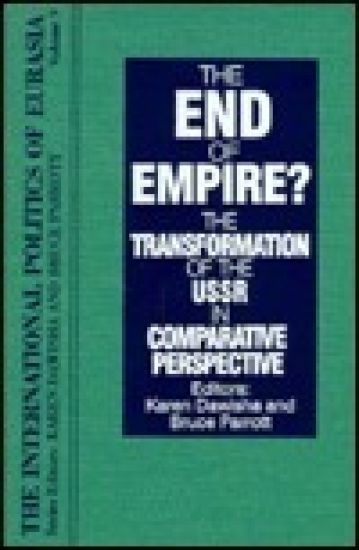
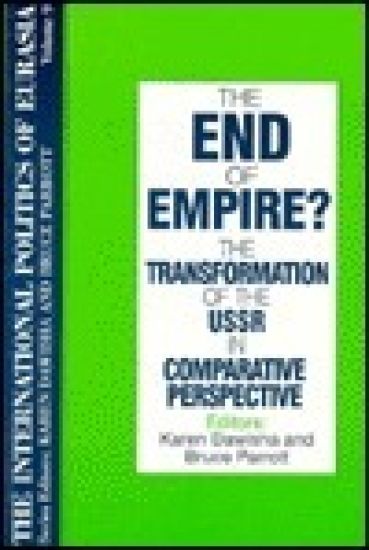
The International Politics of Eurasia: v. 9: The End of Empire? Comparative Perspectives on the Soviet Collapse
First Published in 1997. This book is the ninth in a series often volumes produced by the Russian Littoral Project, The project shares the conviction that the transformation of the former Soviet republics into independent states demands systematic analysis of the determinants of the domestic and foreign policies of the new countries. The series of volumes is intended to provide a basis for comprehensive scholarly study of these issues. This volume was shaped by the author’s view that future scholarship about the post Soviet world requires both specialized research and broad-gauge studies that carefully juxtapose the breakup of the Soviet empire with the transformation of other multinational empires.
The International Politics of Eurasia: v. 9: The End of Empire? Comparative Perspectives on the Soviet Collapse
First Published in 1997. This book is the ninth in a series often volumes produced by the Russian Littoral Project, The project shares the conviction that the transformation of the former Soviet republics into independent states demands systematic analysis of the determinants of the domestic and foreign policies of the new countries. The series of volumes is intended to provide a basis for comprehensive scholarly study of these issues. This volume was shaped by the author’s view that future scholarship about the post Soviet world requires both specialized research and broad-gauge studies that carefully juxtapose the breakup of the Soviet empire with the transformation of other multinational empires.
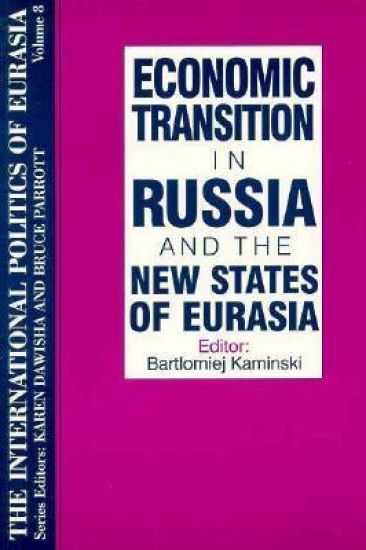
The International Politics of Eurasia: v. 8: Economic Transition in Russia and the New States of Eurasia
First Published in 1996. This ambitious ten-volume series develops a comprehensive analysis of the evolving world role of the post-Soviet successor states. Each volume considers a different factor influencing the relationship between internal politics and international relations in Russia and in the western and southern tiers of newly independent states. The contributors were chosen not only for their recognized expertise but also to ensure a stimulating diversity of perspectives and a dynamic mix of approaches. This is Volume 8 Economic Transition in Russia and the New States of Eurasia.
The International Politics of Eurasia: v. 8: Economic Transition in Russia and the New States of Eurasia
First Published in 1996. This ambitious ten-volume series develops a comprehensive analysis of the evolving world role of the post-Soviet successor states. Each volume considers a different factor influencing the relationship between internal politics and international relations in Russia and in the western and southern tiers of newly independent states. The contributors were chosen not only for their recognized expertise but also to ensure a stimulating diversity of perspectives and a dynamic mix of approaches. This is Volume 8 Economic Transition in Russia and the New States of Eurasia.
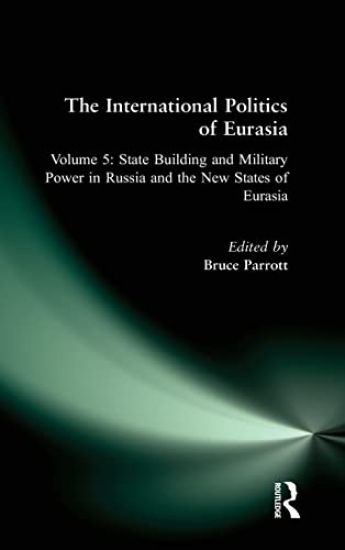
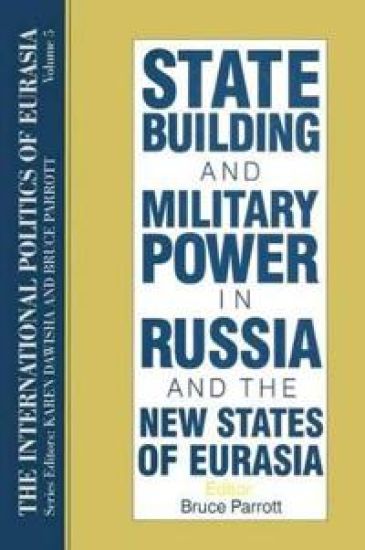
The International Politics of Eurasia: v. 5: State Building and Military Power in Russia and the New States of Eurasia
First Published in 2015. The chapters in this text examine the foreign policies of Russia and other selected states of the former Soviet Union. Each chapter analyses the conduct of foreign policy with the context of each state's unique situation. While the authors look at different countries and subregions and analyse various policy factors and imperatives, they all tend to agree that at present no other power has more direct and substantial impact on the foreign policies and international relations of the region than Russia.
The International Politics of Eurasia: v. 5: State Building and Military Power in Russia and the New States of Eurasia
This ambitious ten-volume series develops a comprehensive analysis of the evolving world role of the post-Soviet successor states. Each volume considers a different factor influencing the relationship between internal politics and international relations in Russia and in the western and southern tiers of newly independent states. The collapse of the Soviet Union and the discrediting of Marxism-Leninism as a source of political legitimacy have prompted a search for fresh principles of political organization that will shape the nature of political culture in all the post-Soviet countries. This volume looks at military power and state building.
The International Politics of Eurasia: v. 3: The Politics of Religion in Russia and the New States of Eurasia
First Published in 2015. This ambitious ten-volume series develops a comprehensive analysis of the evolving world role of the post-Soviet successor states. Each volume considers a different factor influencing the relationship between internal politics and international relations in Russia and in the western and southern tiers of newly independent states. The contributors were chosen not only for their recognized expertise but also to ensure a stimulating diversity of perspectives and a dynamic mix of approaches. This is Volume3 The Politics of Religion in Russia and the New States of Eurasia.
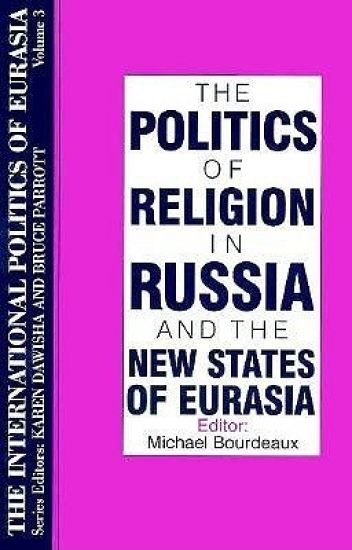
The International Politics of Eurasia: v. 3: The Politics of Religion in Russia and the New States of Eurasia
First Published in 2015. This ambitious ten-volume series develops a comprehensive analysis of the evolving world role of the post-Soviet successor states. Each volume considers a different factor influencing the relationship between internal politics and international relations in Russia and in the western and southern tiers of newly independent states. The contributors were chosen not only for their recognized expertise but also to ensure a stimulating diversity of perspectives and a dynamic mix of approaches. This is Volume3 The Politics of Religion in Russia and the New States of Eurasia.
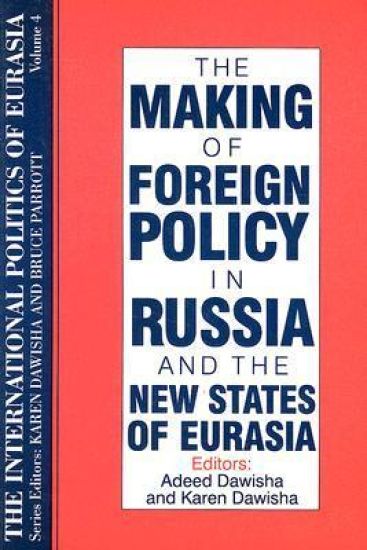
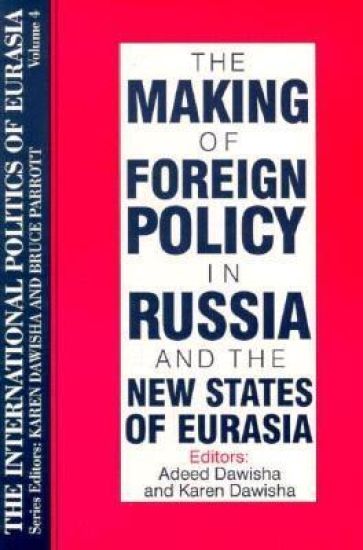
The International Politics of Eurasia: v. 4: The Making of Foreign Policy in Russia and the New States of Eurasia
First Published in 2015. The chapters in this text examine the foreign policies of Russia and other selected states of the former Soviet Union. Each chapter analyses the conduct of foreign policy with the context of each state's unique situation. While the authors look at different countries and subregions and analyse various policy factors and imperatives, they all tend to agree that at present no other power has more direct and substantial impact on the foreign policies and international relations of the region than Russia.
The International Politics of Eurasia: v. 4: The Making of Foreign Policy in Russia and the New States of Eurasia
This ambitious ten-volume series develops a comprehensive analysis of the evolving world role of the post-Soviet successor states. Each volume considers a different factor influencing the relationship between internal politics and international relations in Russia and in the western and southern tiers of newly independent states. The collapse of the Soviet Union and the discrediting of Marxism-Leninism as a source of political legitimacy have prompted a search for fresh principles of political organization that will shape the nature of political culture in all the post-Soviet countries. This volume looks at the making of foreign policy in Russia and the new states of Eurasia.
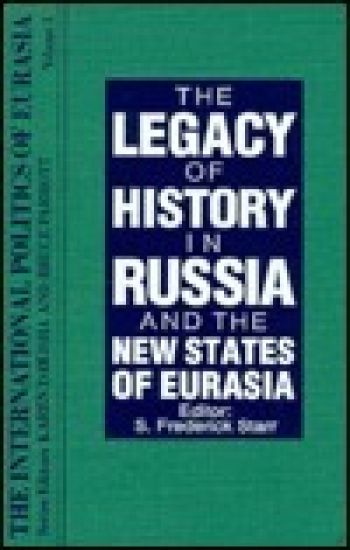
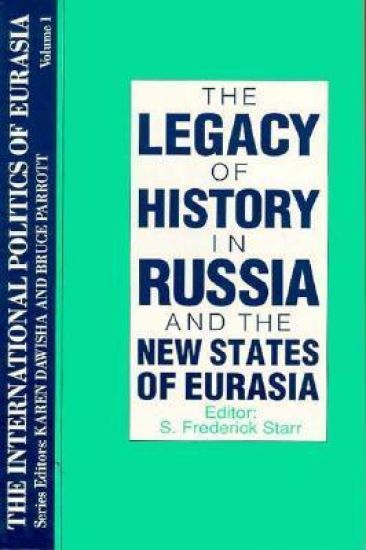
The International Politics of Eurasia: v. 1: The Influence of History
First Published in 1995. This ambitious ten-volume series develops a comprehensive analysis of the evolving world role of the post-Soviet successor states. Each volume considers a different factor influencing the relationship between internal politics and international relations in Russia and in the western and southern tiers of newly independent states. The contributors were chosen not only for their recognized expertise but also to ensure a stimulating diversity of perspectives and a dynamic mix of approaches. This is Volume I and covers The Legacy of History in Russia and the New States of Eurasia.
The International Politics of Eurasia: v. 2: The Influence of National Identity
First Published in 1995. This ambitious ten-volume series develops a comprehensive analysis of the evolving world role of the post-Soviet successor states. Each volume considers a different factor influencing the relationship between internal politics and international relations in Russia and in the western and southern tiers of newly independent states. The contributors were chosen not only for their recognized expertise but also to ensure a stimulating diversity of perspectives and a dynamic mix of approaches. This is Volume 2 on National Identity and Ethnicity In Russia and the New States of Eurasia edited by Roman Szporluk.
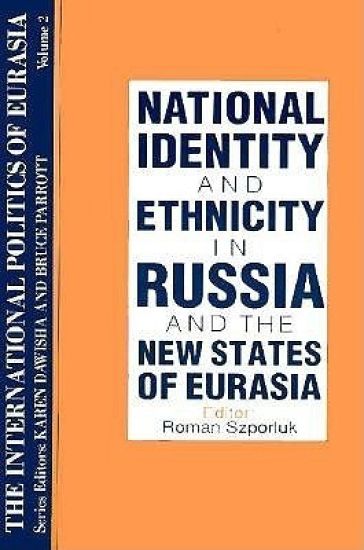
The International Politics of Eurasia: v. 2: The Influence of National Identity
First Published in 1995. This ambitious ten-volume series develops a comprehensive analysis of the evolving world role of the post-Soviet successor states. Each volume considers a different factor influencing the relationship between internal politics and international relations in Russia and in the western and southern tiers of newly independent states. The contributors were chosen not only for their recognized expertise but also to ensure a stimulating diversity of perspectives and a dynamic mix of approaches. This is Volume 2 on National Identity and Ethnicity In Russia and the New States of Eurasia edited by Roman Szporluk.
The International Politics of Eurasia: v. 1: The Influence of History
First Published in 1995. This ambitious ten-volume series develops a comprehensive analysis of the evolving world role of the post-Soviet successor states. Each volume considers a different factor influencing the relationship between internal politics and international relations in Russia and in the western and southern tiers of newly independent states. The contributors were chosen not only for their recognized expertise but also to ensure a stimulating diversity of perspectives and a dynamic mix of approaches. This is Volume I and covers The Legacy of History in Russia and the New States of Eurasia.
Scholars' Guide to Humanities and Social Sciences in the Soviet Union and the Baltic States

Scholars' Guide to Humanities and Social Sciences in the Soviet Union and the Baltic States

Tigran Martirosyan; Silvia Maretti; S. Frederick Starr

M.E. Sharpe
1992
sidottu
In the years since the first edition of the "Guide" was published, the research institutions of the academies of sciences of the USSR and the republics have undergone several, sometimes radical, reorganizations and reaffiliations. This guide to academy institutions supplies names, addresses, and historical, research, and organizational profiles for each institution, with summary information on staffing, current projects, special facilities, and libraries. The end of the Cold War has brought with it many changes of attitude and policy in the political arena; however, nowhere has change been so emotionally charged as in the area of politically-based emigration. Refugee policy is the driving force behind many of today's headlines, influencing both foreign and domestic policy. In Desperate Crossings, authors Norman L. and Naomi Flink Zucker chronicle and analyze the phenomenon of mass escape that began with the Haitians, but exploded into the American consciousness in the spring of 1980 with the Mariel boatlift and the subsequent mass exodus from Central America, and was most recently manifested in the Haitian and Cuban exoduses of 1994. In a compelling and carefully documented narrative, they identify the troika of interests - foreign policy, domestic pressures, and costs - that have controlled and determined the American response to refugees since before the Second World War, continuing until today. Desperate Crossings concludes by proposing a comprehensive and politically palatable approach to future refugee flows, both in our hemisphere and for the world community-at-large - including Europe and Asia. The authors suggest how, by changing the course of its refugee policies and programs, the United States can better respond to both the needs of refugees and the demands of its citizens.