
Kirjailija
S Ramaswamy
Kirjat ja teokset yhdessä paikassa: 22 kirjaa, julkaisuja vuosilta 2016–2025, suosituimpiin kuuluu Energia odnawialna: zrównoważona energia dla Indii. Vertaile teosten hintoja ja tarkista saatavuus suomalaisista kirjakaupoista.
Nimi esiintyy myös muodoissa: S. Ramaswamy
22 kirjaa
Kirjojen julkaisuvuodet: 2016–2025.

Energia odnawialna: zrównoważona energia dla Indii
S. Ramaswamy; M. Anandan
Wydawnictwo Nasza Wiedza
2025
nidottu
Energia jest niezbędnym surowcem dla większości ludzkich dzialań, bezpośrednio (jako paliwo) lub pośrednio (jako źr dlo energii, światla, mobilności). Tradycyjne spoleczeństwa opierają się na wlasnej sile fizycznej, następnie na sile zwierząt domowych, takich jak konie i woly, a następnie na wodzie i wietrze, silnikach parowych, węglowodorach (węglu, ropie naftowej, gazie ziemnym itp.), a w końcu - na energii elektrycznej (synteza jądrowa i rozszczepienie jądrowe). Energia w polączeniu z technologią zwielokrotnia potrzeby czlowieka (np. paliwo do samochod w, energia elektryczna do urządzeń gospodarstwa domowego), odgrywając tym samym kluczową rolę w spoleczeństwie przedindustrialnym i postindustrialnym, a ostatnio także w erze informatycznej. W przypadku innych podstawowych potrzeb, takich jak ogrzewanie pomieszczeń i gotowanie, nastąpilo przejście od lokalnej biomasy (np. drewna opalowego, odpad w rolniczych) do paliw przemyslowych (np. LPG, gazu ziemnego), a także energii elektrycznej. Zapotrzebowanie na energię i jej zużycie rosną z dnia na dzień, a popyt na nią wzrasta w najszybszym tempie na calym świecie.
Energia renovável: energia sustentável para a Índia
S. Ramaswamy; M. Anandan
Edicoes Nosso Conhecimento
2025
nidottu
A energia um bem essencial para a maioria das atividades humanas, direta (como combust vel) ou indiretamente (para fornecer energia, luz, mobilidade). As sociedades tradicionais dependem da sua pr pria for a f sica para o trabalho, depois da for a de animais domesticados, como cavalos e bois, depois da gua e do vento, dos motores a vapor, dos hidrocarbonetos (carv o, petr leo bruto, g s natural, etc.) e, finalmente, da eletricidade (fus o e fiss o nuclear). Quando combinada com a tecnologia, a energia multiplica as necessidades humanas (por exemplo, combust vel para autom veis, eletricidade para eletrodom sticos), desempenhando assim um papel crucial na sociedade pr e p s-industrial e, mais recentemente, na era das tecnologias da informa o. Para outras necessidades essenciais, como aquecimento e cozinha, a transi o foi da biomassa local (por exemplo, lenha, res duos agr colas) para combust veis industrializados (por exemplo, GPL, g s natural) e tamb m para a eletricidade. As necessidades e o consumo de energia t m aumentado dia a dia e a sua procura tem crescido a um ritmo acelerado em todo o mundo.
Erneuerbare Energien: Nachhaltige Energie für Indien
S. Ramaswamy; M. Anandan
Verlag Unser Wissen
2025
nidottu
Energie ist f r die meisten menschlichen Aktivit ten unverzichtbar, sei es direkt (als Brennstoff) oder indirekt (zur Bereitstellung von Strom, Licht und Mobilit t). Traditionelle Gesellschaften sind f r ihre Arbeit zun chst auf ihre eigene k rperliche Kraft angewiesen, dann auf die Kraft domestizierter Tiere wie Pferde und Ochsen, anschlie end auf Wasser und Wind, Dampfmaschinen, Kohlenwasserstoffe (Kohle, Erd l, Erdgas usw.) und schlie lich auf Elektrizit t (Kernfusion und Kernspaltung). In Verbindung mit Technologie vervielfacht Energie den Bedarf der Menschen (z. B. Kraftstoff f r Autos, Strom f r Haushaltsger te) und spielt damit eine entscheidende Rolle in der vor- und nachindustriellen Gesellschaft und seit kurzem auch im IT-Zeitalter. Bei anderen grundlegenden Bed rfnissen wie Raumheizung und Kochen erfolgte der bergang von lokaler Biomasse (z. B. Brennholz, landwirtschaftliche Abf lle) zu industrialisierten Brennstoffen (z. B. Fl ssiggas, Erdgas) und auch zu Elektrizit t. Der Energiebedarf und -verbrauch steigt von Tag zu Tag, und die Nachfrage w chst weltweit mit h chster Geschwindigkeit.

Escenario energético en India: Un análisis económico
S. Ramaswamy; M. Anandan
Ediciones Nuestro Conocimiento
2025
nidottu
L' lectricit est un l ment essentiel et d terminant du d veloppement d'une nation. Elle est largement utilis e dans l'industrie, l'agriculture, le secteur domestique et commercial. Elle est devenue une n cessit in vitable qui influence tous les aspects de la vie et constitue une proposition de consommation croissante, en particulier dans les pays en d veloppement. L'Inde est le quatri me plus grand consommateur d' nergie au monde apr s les tats-Unis, la Chine et la Russie, mais elle ne dispose pas de ressources nerg tiques abondantes (Anandan et Ramaswamy, 2014). L' nergie est un produit essentiel pour la plupart des activit s humaines, directement comme combustible ou indirectement pour fournir de l' nergie, de la lumi re, de la mobilit . Les besoins et la consommation d' nergie ( lectricit ) augmentent de jour en jour et sa demande augmente au rythme le plus lev dans le monde entier. Les principaux probl mes prendre en compte dans l' lectrification rurale sont les conflits potentiels avec l'utilisation de l'eau et des terres et leur impact sur les environnements ruraux. Dans ce contexte, plusieurs politiques macro- nerg tiques ainsi que la mise en oeuvre d'un large ventail de programmes sur les technologies des nergies renouvelables (RET) ont contribu de mani re significative aux progr s et aux r alisations en mati re d' lectrification rurale en Inde.
Elektrizit t ist ein entscheidender Faktor und zugleich ein bestimmender Faktor f r die Entwicklung eines Landes. Sie wird am h ufigsten in der Industrie, der Landwirtschaft, im Haushalt und im gewerblichen Bereich eingesetzt. Sie ist zu einer unvermeidlichen Notwendigkeit geworden, die jeden Aspekt des Lebens beeinflusst und einen zunehmenden Konsum darstellt, insbesondere in Entwicklungsl ndern. Indien ist nach den USA, China und Russland der viertgr te Energieverbraucher der Welt, verf gt jedoch nicht ber reichlich vorhandene Energieressourcen (Anandan und Ramaswamy, 2014). Energie ist ein wesentliches Gut f r die meisten menschlichen Aktivit ten, direkt als Brennstoff oder indirekt zur Bereitstellung von Strom, Licht und Mobilit t. Der Bedarf und Verbrauch von Energie (Strom) steigt von Tag zu Tag und die Nachfrage steigt weltweit am schnellsten. Die wichtigsten Aspekte, die bei der Elektrifizierung des l ndlichen Raums ber cksichtigt werden m ssen, sind die potenziellen Konflikte mit der Wasser- und Landnutzung und ihre Auswirkungen auf die l ndliche Umwelt. In diesem Zusammenhang haben mehrere Makro-Energiepolitiken zusammen mit der Umsetzung einer breiten Palette von Programmen zu erneuerbaren Energietechnologien (RETs) einen bedeutenden Beitrag zum Fortschritt und zur Erreichung der l ndlichen Elektrifizierung in Indien geleistet.
L'elettricit una componente critica e determinante per lo sviluppo di una nazione. molto utilizzata nell'industria, nell'agricoltura, nel settore domestico e in quello commerciale. diventata una necessit inevitabile che influenza ogni aspetto della vita e costituisce una proposta di consumo crescente, soprattutto nei Paesi in via di sviluppo. L'India il quarto consumatore di energia al mondo dopo Stati Uniti, Cina e Russia, ma non dispone di risorse energetiche abbondanti (Anandan e Ramaswamy, 2014). L'energia un bene essenziale per la maggior parte delle attivit umane, direttamente come combustibile o indirettamente per fornire energia, luce, mobilit . Il fabbisogno e il consumo di energia (elettricit ) sono aumentati di giorno in giorno e la sua domanda cresciuta al ritmo pi elevato in tutto il mondo. Le questioni principali che devono essere prese in considerazione nell'elettrificazione rurale sono i potenziali conflitti con l'uso dell'acqua e del suolo e il loro impatto sull'ambiente rurale. In questo contesto, diverse macro-politiche energetiche e l'attuazione di un'ampia gamma di programmi sulle tecnologie per le energie rinnovabili (RET) hanno contribuito in modo significativo ai progressi e ai risultati dell'elettrificazione rurale in India.
A eletricidade um componente cr tico e determinante do desenvolvimento de uma na o. mais amplamente utilizada na ind stria, na agricultura e nos sectores dom stico e comercial. Tornou-se uma necessidade inevit vel que influencia todos os aspectos da vida e constitui uma proposta de consumo crescente, especialmente nos pa ses em desenvolvimento. A ndia o quarto maior consumidor de energia do mundo, depois dos EUA, da China e da R ssia, mas n o disp e de recursos energ ticos abundantes (Anandan e Ramaswamy, 2014). A energia um bem essencial para a maioria das actividades humanas, diretamente como combust vel ou indiretamente para fornecer energia, luz e mobilidade. As necessidades e o consumo de energia (eletricidade) t m vindo a aumentar de dia para dia e a sua procura tem vindo a aumentar ao ritmo mais elevado em todo o mundo. As principais quest es que t m de ser consideradas na eletrifica o rural s o os potenciais conflitos com a utiliza o da gua e dos solos e o seu impacto no meio rural. Nestes contextos, v rias pol ticas energ ticas macro, juntamente com a implementa o de uma vasta gama de programas sobre tecnologias de energias renov veis (RET), contribu ram significativamente para o progresso e a realiza o da eletrifica o rural na ndia.
TANNERY POLLUTION AND HEALTH ISSUES (Facts and Evidences)
S Ramaswamy; George Sebastian
Mjp Publishers
2023
sidottu
Millennium Development Goals in India Programs and Policies
S Ramaswamy; Clerin Varghese
Mjp Publishers
2023
sidottu
WOMEN ENTREPRENEURS IN MICRO ENTERPRISES Facts and Evidences
S Gnanasaranya; S Ramaswamy
MJP Publisher
2022
sidottu
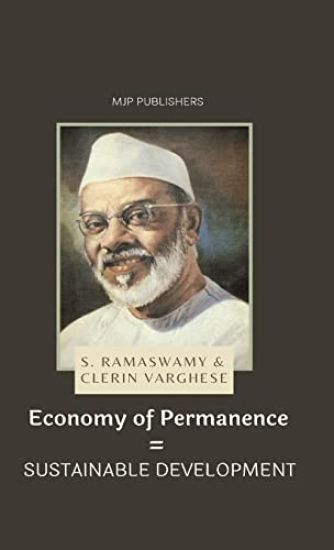
Economy of Permanence = SUSTAINABLE DEVELOPMENT
S Ramaswamy; Clerin Verghese
MJP Publisher
2022
sidottu
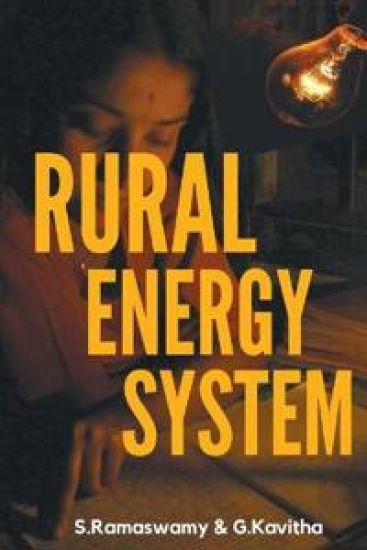
Chapter I - Introduction, Chapter II - Energy and Development: Evidences from Global to Local, Chapter III - Concepts and Theories of Rural Energy System, Chapter IV - Profile of The Study Area: Dindigul District, Chapter V - Rural Energy System: Empirical Evidences, Chapter VI - Energy Consumption Variables in Society, Appendix I - Unit Conversion, References, Index.

Water Security and Water Trade in Indian Economy
S. Ramaswamy; M. Anandan
Lap Lambert Academic Publishing
2020
nidottu
Economic Analysis of Millennium Development Goals: A Case of Poverty and Hunger in India
O. V. Ummer Kutty; S. Ramaswamy
Mjp Publishers
2019
nidottu
Development goals are essential and pre-conditions for sustainable development for which 191 United Nations members have gathered together for the adoption of United Nations Millennium Declaration in 2000. Accordingly, countries have taken decision to achieve the following goals such as: - eradicate extreme poverty and hunger;- achieve universal primary education;- promote gender and equality and empower women;- reduce child mortality;- improve maternal health;- combat HIV/AIDS, malaria and other diseases;- ensure environmental sustainability; and- develop a global partnership for development. CONTENTS: Chapter I - Introduction, Chapter II - Genesis of Millennium Development Goals, Chapter III - Review and Appraisal of Literature, Chapter IV - Analysis of MDGs: A Case of Poverty and Hunger in India, Chapter V - Summary of Major Findings, Suggestions and Conclusions, Bibliography, Index.