

Kirjojen hintavertailu – 12 859 818 kirjaa ja 27 kauppaa

Kirjailija

Sakari Taipale

Kirjat ja teokset yhdessä paikassa: 2 kirjaa, julkaisuja vuosilta 2019–2025, suosituimpiin kuuluu Suomela – uimahalli yhteiskunnassa. Vertaile teosten hintoja ja tarkista saatavuus suomalaisista kirjakaupoista.

2 kirjaa

Kirjojen julkaisuvuodet: 2019–2025.

Suomela – uimahalli yhteiskunnassa

Suomela – uimahalli yhteiskunnassa

Juho Saari; Mika Pantzar; Sakari Taipale

Liikuntatieteellinen seura
2025
nidottu

Halvin toimitettuna 32,00 €

Uimahalli on suomalaisen hyvinvointiyhteiskunnan ilmentymä. Hallirakentaminen on myös yksi maamme liikuntapolitiikan kulmakivistä niin valtakunnallisesti kuin paikallisesti. Hallit edustavat liikuntapaikkarakentamisen eri aikakausia, ja sosiaalinen elämä niiden sisällä viestii ympäröivän yhteiskunnan muutoksista. Uimahalli kertoo yhtä aikaa paljon suomalaisesta yhteiskunnasta ja on Suomi pienoiskoossa. Sanalla sanoen uimahalli on Suomela. Onkin hämmästyttävää, että uimahallien monitahoiseen maailmaan ei ole aiemmin kunnolla sukellettu Suomessa tai maailmallakaan. Yhteiskuntatieteilijät Juho Saari, Mika Pantzar ja Sakari Taipale avaavat tutkimustiedon ja omien kokemustensa pohjalta monipuolisesti kansainvälisestikin ainutlaatuisen Suomelan todellisuutta.
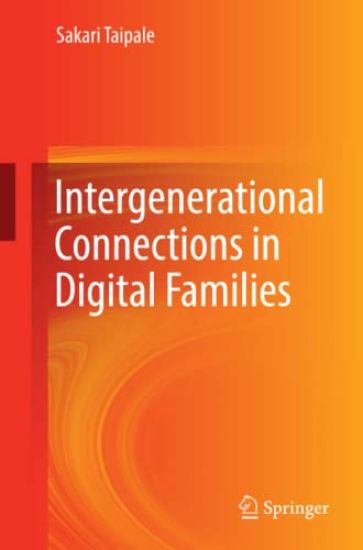
Intergenerational Connections in Digital Families

Intergenerational Connections in Digital Families

Sakari Taipale

Springer Nature Switzerland AG
2019
nidottu
This book provides a comprehensive review of how digital communication technology can help families network and communicate across generations, despite differences in family composition, residential location, cultural values and orientations. Covering the full spectrum of intergenerational relations (including child to parent, and parent to grandparent), it offers a positive view of the value of digital technology usage within families. The author focuses on three European countries: Finland, Italy and Slovenia, but also touches on other European countries and parts of the United States, revealing evidence that challenges ideas of universal adoption of information communication technology (ICT) and consistency in the social effects of such adoption in different regions and cultures. Further, the book discusses numerous other challenges and issues, such as:• the social transformations and technological developments that have made digitalfamilies possible;• the resulting changes in family roles, responsibilities, and practices; and• the theoretical and conceptual implications of digital communication-technology use in families. The author illustrates how ICT can facilitate family solidarity and how it helps to provide new ways of being together, and they discuss how social media, particularly instant messaging applications, helps develop affinity between family members better than traditional one-to-one personal communication tools. Combining highly nuanced material with fresh sociological thinking, it enhances readers’ theoretical understanding of the meaning of the ‘digital family’, making it a powerful resource for graduate and undergraduate students, as well as academics. Thanks to its structured format with easy-to-understand explanations, it appeals to practitioners and researchers alike.