Kirjojen hintavertailu – 12 903 725 kirjaa ja 27 kauppaa

Kirjailija

Sally Bailey

Kirjat ja teokset yhdessä paikassa: 13 kirjaa, julkaisuja vuosilta 2003–2025, suosituimpiin kuuluu Opposites. Vertaile teosten hintoja ja tarkista saatavuus suomalaisista kirjakaupoista.

13 kirjaa

Kirjojen julkaisuvuodet: 2003–2025.

The Handmade Home

The Handmade Home

Mark Bailey; Sally Bailey

RYLAND, PETERS SMALL LTD
2025
sidottu

Halvin toimitettuna 38,00 €

Mark and Sally Bailey of award-winning destination homeware store Baileys Home explore the inspirational homes of artists, craftspeople and designers. Living with paintings, sculptures, ceramics and textiles – almost anything crafted by hand – will give your home a sense of personality that is welcome in this age of mass production. The Handmade Home shows how living with handcrafted pieces is a joyful experience that awakens the senses and brings simple, tactile pleasure to every day. The book begins by looking at The Elements: Colour, Texture, Textiles, Made by Hand and Collecting. Next, The Homes features 12 inspirational case studies, from rural England to Japan, offering a glimpse into the private spaces of those who love to create or to live with handmade pieces. Each of the carefully chosen locations demonstrates how living with art and craft can bring joy, variety and beauty to every corner of a room and will inspire the reader to create their own handmade home.
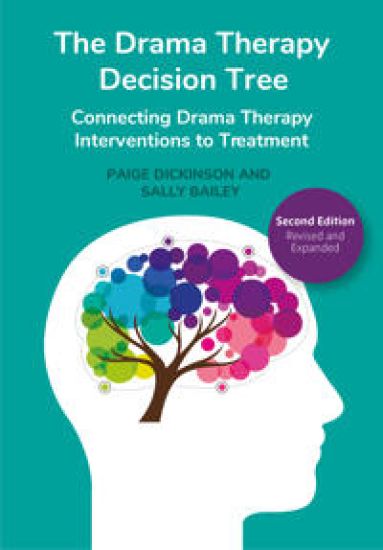
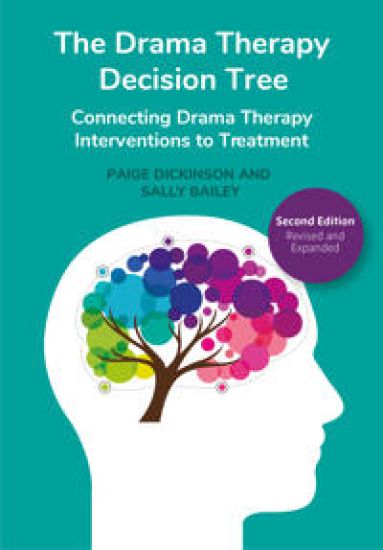
The Drama Therapy Decision Tree, Second Edition

The Drama Therapy Decision Tree, Second Edition

Paige Dickinson; Sally Bailey

INTELLECT
2024
sidottu
This substantially revised and expanded edition of the The Drama Therapy Decision Tree provides an integrated model for therapeutic decision-making by uniting drama therapy interventions with diagnostic information, individual and group processes, psychological distance, the drama therapy pie, and global outcomes. This book is a practical guide in four sections, not a checklist. Rather than using a standardized protocol that makes the decisions for the therapist, drama therapy is based on dynamic, embodied, creative action with participants in the here and now. Conscious planning on the part of the drama therapist before the session supports spontaneity and creativity, preparing them to make good therapeutic decisions in the moment during the session. The opening section guides readers through the foundational principles leading readers into Section Two, The Decision Tree, which is a series of questions for early career drama therapists to ask themselves as they prepare treatment plans for clients. Diversity, Equity, and Ethics are covered in Section Three from the point of view of creative arts therapy practitioners. Section Four looks at Integrating the Five Phases of Treatment with the Drama Therapy Pie, following different populations (diagnosis) of clients through the five phases of group therapy in order to illustrate how the Decision Tree supports intervention choice in the different phases of treatment. The authors strive to provide a common language for communicating what drama therapists do and how they do it in order to demystify drama therapy for other mental health and medical professionals. Using the decision tree as a guide, early career drama therapists can move forward confidently and ground their work with participants in an integrated system. An online searchable database of drama therapy interventions provides descriptions, therapeutic outcomes addressed, and other useful information provides a wealth of additional supporting material. There is also a separate online resource of deroling activities. The online resources, here, can also be an asset for non-drama therapists who are wanting to incorporate a more active and embodied component safely into their work, particularly in terms of warm-ups, closure, and deroling.
The Drama Therapy Decision Tree, Second Edition

The Drama Therapy Decision Tree, Second Edition

Paige Dickinson; Sally Bailey

INTELLECT
2024
nidottu
This substantially revised and expanded edition of the The Drama Therapy Decision Tree provides an integrated model for therapeutic decision-making by uniting drama therapy interventions with diagnostic information, individual and group processes, psychological distance, the drama therapy pie, and global outcomes. This book is a practical guide in four sections, not a checklist. Rather than using a standardized protocol that makes the decisions for the therapist, drama therapy is based on dynamic, embodied, creative action with participants in the here and now. Conscious planning on the part of the drama therapist before the session supports spontaneity and creativity, preparing them to make good therapeutic decisions in the moment during the session. The opening section guides readers through the foundational principles leading readers into Section Two, The Decision Tree, which is a series of questions for early career drama therapists to ask themselves as they prepare treatment plans for clients. Diversity, Equity, and Ethics are covered in Section Three from the point of view of creative arts therapy practitioners. Section Four looks at Integrating the Five Phases of Treatment with the Drama Therapy Pie, following different populations (diagnosis) of clients through the five phases of group therapy in order to illustrate how the Decision Tree supports intervention choice in the different phases of treatment. The authors strive to provide a common language for communicating what drama therapists do and how they do it in order to demystify drama therapy for other mental health and medical professionals. Using the decision tree as a guide, early career drama therapists can move forward confidently and ground their work with participants in an integrated system. An online searchable database of drama therapy interventions provides descriptions, therapeutic outcomes addressed, and other useful information provides a wealth of additional supporting material. There is also a separate online resource of deroling activities. The online resources, here, can also be an asset for non-drama therapists who are wanting to incorporate a more active and embodied component safely into their work, particularly in terms of warm-ups, closure, and deroling.
Drama for the Inclusive Classroom
Incorporate drama and improvisation into your classroom to build confidence, support social-emotional learning, and engage every student in the curriculum. This book’s detailed and easy-to-implement chapters walk you through using drama to develop critical listening and communication skills, conflict resolution abilities, behavior regulation, and even grow new skills in math, literature, geography, and more! Each chapter builds on the skills learned in previous lessons, allowing you to increase the complexity as students progress. Designed for use with inclusive classrooms as well as dedicated special education programs, this guide features adaptable activities to include students at every ability level.
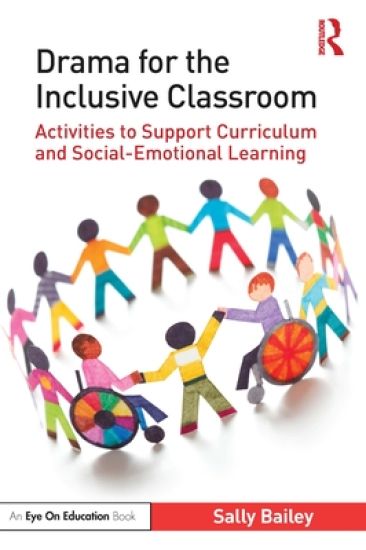
Drama for the Inclusive Classroom
Incorporate drama and improvisation into your classroom to build confidence, support social-emotional learning, and engage every student in the curriculum. This book’s detailed and easy-to-implement chapters walk you through using drama to develop critical listening and communication skills, conflict resolution abilities, behavior regulation, and even grow new skills in math, literature, geography, and more! Each chapter builds on the skills learned in previous lessons, allowing you to increase the complexity as students progress. Designed for use with inclusive classrooms as well as dedicated special education programs, this guide features adaptable activities to include students at every ability level.
The Drama Therapy Decision Tree

The Drama Therapy Decision Tree

Paige Dickinson; Sally Bailey

Intellect Books
2021
sidottu
This book provides the reader with a thorough understanding of drama therapy methods through the provision of examples so therapists can select the most appropriate methods and apply them themselves. The authors provide a common language for communicating what drama therapists do in terms of diagnoses and interventions, especially for new students in the field. There has been no systematic method developed for drama therapists and drama therapy students for selecting the most appropriate drama therapy technique or method for clients. Typically, students leave university and have to work out how to plan treatment through trial and error. This book is not intended as an instruction manual, but the authors of this book have identified and analysed how they approached this task themselves, and they explain how the theory learnt at university can be put into practice. Their desire is to give early career drama therapy professionals a reliable and effective tool for making the best clinical decisions they can. This book is not only an educational tool, but also a practitioner’s reference tool for planning how to address the socio-emotional needs of their clients. Readers will find this timely book offers structure to drama therapy teachers and students alike. It explains the basic tools that drama therapists use in all therapy situations, starting with the therapeutic process, then moves on to identify the core healing concepts that make drama therapy so powerful and unique. The diagnostic systems used by all mental health professionals (DSM-5 and ICD-11) are integrated by relating the core healing concepts and tools to the symptoms of diagnoses. The basic treatment planning process is also discussed. The book then explains how these components are used together systematically through a series of questions (that the therapist asks themself) in order to identify the most appropriate type of intervention for the client. Finally, the book offers several examples of how this system can be applied to a variety of common diagnoses. The appendices provide resources about drama therapy in terms of theory, approach and specific population. Of primary relevance to teachers and students of drama therapy, and drama therapists and integrative arts therapists in training and early career stages. May be useful for other professionals interested in drama therapy and related creative or therapeutic practices where theatre and drama are used. Note: in the US context there is a wider range of related practices, which are often regarded as part of drama therapy.
Made of Wood

Made of Wood

Mark Bailey; Sally Bailey

Ryland, Peters Small Ltd
2018
sidottu
“Mark has a knack for seeing beauty and value in things others might discard. His was the original jam-jar light, and he and Sally were using antique grain sacks as upholstery and mismatched floorboards as panelling years before fashion caught up with them.” Stella magazine, the Telegraph Made of Wood is a celebration of recycled pieces, age-old crafting techniques, clean modern lines, and global influences as well as art and tableware with a handmade feel. Explore the modern craft movement and maker culture with Made of Wood, the latest book from award-winning retailers Mark and Sally Bailey of destination concept store Baileys Home. The first half of the book explores the many ways in which we can use wood in our homes – sculpted, left in its natural state, roughly sawn or smoothly planed, recycled, or painted. The second half of the book, Wooden Stories, contains 12 case studies, each one offering a glimpse into the homes of people who have used this most ancient and versatile of materials in creative and inspiring ways. Living with wood brings tactile comfort to every day, warms any interior, and will give your home a sense of soul that is so often lacking in this age of mass production.
Cheshire Ring

Cheshire Ring

Sally Bailey

Sigma Press
2017
pokkari
This is the second of two volumes of circular walks which together take you round the whole 97 miles of the Cheshire Ring of canals. The walks in this book are up the eastern side of the Ring, along the Macclesfield, Peak Forest, Ashton and Rochdale canals, from Kidsgrove in the south to Castlefield, Manchester in the north.
Striving for Beauty

Striving for Beauty

Sally Bailey

Xlibris
2003
pokkari
Striving for Beauty takes place during the Christensen Brothers era of the San Francisco Ballet. The Prologue ends with Willam presenting the first full-length Nutcracker in America in 1944. Sally Bailey, one of the Company's future ballerinas, enters Harold's School here, and through her eyes we see the growth of the Company and herself, including; Willam's departure, Lew's ascendance, Balanchine's influence, the State Department tours, trying to get recognition at home, and touring across the U. S. She also gives her perspective on issues-both personal and artistic-that dancers face. A short Epilogue carries San Francisco Ballet history forward to today.
Striving For Beauty

Striving For Beauty

Sally Bailey

Xlibris
2003
sidottu
Striving for Beauty takes place during the Christensen Brothers era of the San Francisco Ballet. The Prologue ends with Willam presenting the first full-length Nutcracker in America in 1944. Sally Bailey, one of the Company's future ballerinas, enters Harold's School here, and through her eyes we see the growth of the Company and herself, including; Willam's departure, Lew's ascendance, Balanchine's influence, the State Department tours, trying to get recognition at home, and touring across the U. S. She also gives her perspective on issues-both personal and artistic-that dancers face. A short Epilogue carries San Francisco Ballet history forward to today.