Kirjojen hintavertailu – 12 903 725 kirjaa ja 27 kauppaa

Kirjailija

Sally Neaum

Kirjat ja teokset yhdessä paikassa: 10 kirjaa, julkaisuja vuosilta 2012–2025, suosituimpiin kuuluu Children's Literature in Primary Schools. Vertaile teosten hintoja ja tarkista saatavuus suomalaisista kirjakaupoista.

10 kirjaa

Kirjojen julkaisuvuodet: 2012–2025.

What comes before phonics?

What comes before phonics?

Sally Neaum

SAGE PUBLICATIONS LTD
2025
nidottu
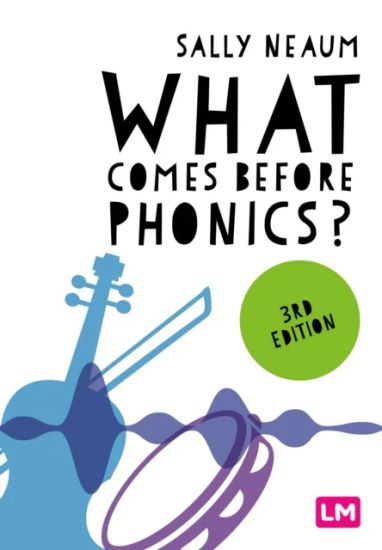
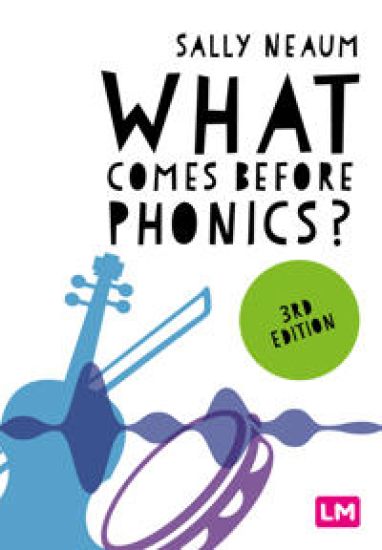
What comes before phonics? The teaching of phonics is strongly embedded in early literacy teaching in schools and early years settings. It has been shown to be an important part of becoming literate. There is, however, significant concern about the formalising of phonics teaching for very young children. So what should we be focusing on in the early years? What comes before this formal teaching? What do children need to know and experience to enable them to access phonics teaching with success? This book looks in detail at the knowledge, understanding, skills and attitudes that children need to enable them to come to phonics teaching ready to learn and with a good chance of success. It explores a range of aspects of young children's learning that lead into literacy, and includes practical advice on how to translate this into practice. The Third Edition has been updated throughout and includes new content on reading for pleasure and a new 'Thinking about practice' feature.
What comes before phonics?

What comes before phonics?

Sally Neaum

SAGE PUBLICATIONS LTD
2025
sidottu
What comes before phonics? The teaching of phonics is strongly embedded in early literacy teaching in schools and early years settings. It has been shown to be an important part of becoming literate. There is, however, significant concern about the formalising of phonics teaching for very young children. So what should we be focusing on in the early years? What comes before this formal teaching? What do children need to know and experience to enable them to access phonics teaching with success? This book looks in detail at the knowledge, understanding, skills and attitudes that children need to enable them to come to phonics teaching ready to learn and with a good chance of success. It explores a range of aspects of young children's learning that lead into literacy, and includes practical advice on how to translate this into practice. The Third Edition has been updated throughout and includes new content on reading for pleasure and a new 'Thinking about practice' feature.
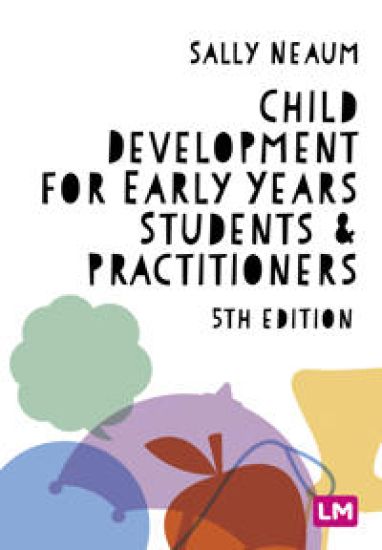
Child Development for Early Years Students and Practitioners
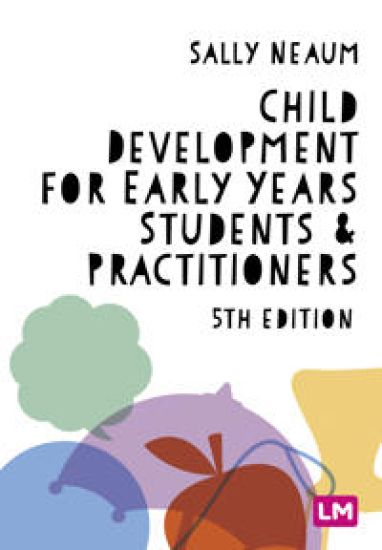
This accessible guide to child development is for students of degrees and foundation degrees in Early Years, Early Childhood Studies and related disciplines and for early years practitioners. *Introduces the context of child development *Develops an understanding of development and of how early years practitioners can support this *Explores the biological/social debate, and the importance of holistic development *Examines factors affecting development and includes a chapter on reflective practice *Considers the complexity of children's development and argues that is is not always a straight forward progression This fifth edition: *is updated in line with the new EYFS and the updated Development Matters; *is updated to include child development learning from 0-8 *includes up-to-date guidance on assessment processes in the Early Years; *includes a new section with key knowledge on well known theories of child development.
Child Development for Early Years Students and Practitioners
This accessible guide to child development is for students of degrees and foundation degrees in Early Years, Early Childhood Studies and related disciplines and for early years practitioners. *Introduces the context of child development *Develops an understanding of development and of how early years practitioners can support this *Explores the biological/social debate, and the importance of holistic development *Examines factors affecting development and includes a chapter on reflective practice *Considers the complexity of children's development and argues that is is not always a straight forward progression This fifth edition: *is updated in line with the new EYFS and the updated Development Matters; *is updated to include child development learning from 0-8 *includes up-to-date guidance on assessment processes in the Early Years; *includes a new section with key knowledge on well known theories of child development.
What comes before phonics?

What comes before phonics?

Sally Neaum

SAGE Publications Ltd
2021
sidottu
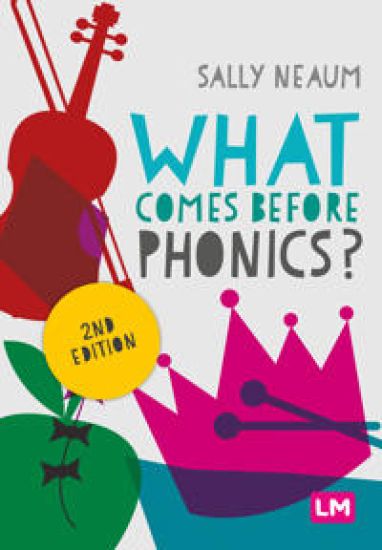
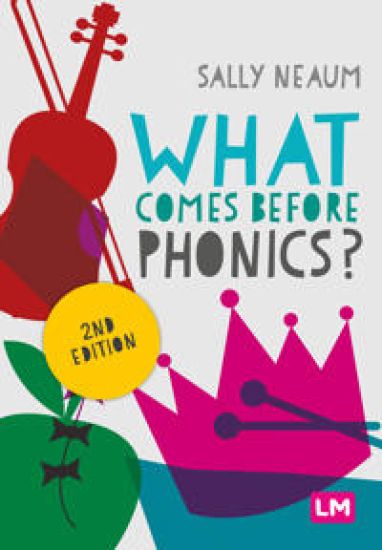
What comes before phonics? The teaching of phonics is now strongly embedded in early literacy teaching in schools and early years settings, and it has been shown to be an important part of becoming literate. There is, however, significant concern about the formalising of phonics teaching for very young children. So what should we be focusing on in early years? What comes before this formal teaching? What do children need to know and experience to enable them to access phonics teaching with success? This book looks in detail at the knowledge, understanding, skills and attitudes that children need to enable them to come to phonics teaching ready to learn and with a good chance of success. The second edition has been updated to include the latest research and enhanced support on working with parents and carers.
What comes before phonics?

What comes before phonics?

Sally Neaum

SAGE Publications Ltd
2021
nidottu
What comes before phonics? The teaching of phonics is now strongly embedded in early literacy teaching in schools and early years settings, and it has been shown to be an important part of becoming literate. There is, however, significant concern about the formalising of phonics teaching for very young children. So what should we be focusing on in early years? What comes before this formal teaching? What do children need to know and experience to enable them to access phonics teaching with success? This book looks in detail at the knowledge, understanding, skills and attitudes that children need to enable them to come to phonics teaching ready to learn and with a good chance of success. The second edition has been updated to include the latest research and enhanced support on working with parents and carers.
Children's Literature in Primary Schools

Children's Literature in Primary Schools

David Waugh; Sally Neaum; Rosemary Waugh

Learning Matters Ltd
2016
nidottu
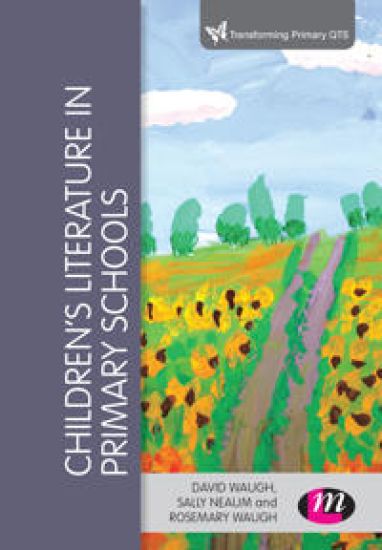
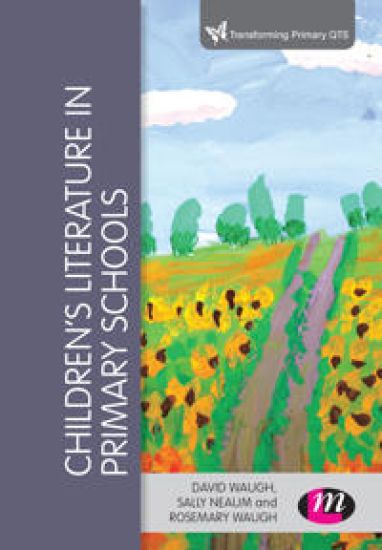
How can you help children to develop a love of reading and books? Which books are the best ones to use in primary teaching? How do you make the most of children's literature in teaching across the curriculum? Trainee and experienced primary school teachers need an advanced knowledge of children's literature. This is your guide to the range of and scope of children's literature for the primary classroom. Through the exploration of different genres it covers a wide range of literature and helps you to consider what we mean by literature. Case studies that model good practice are included with suggestions for practical activities using literature to enhance teaching across the curriculum. Throughout, book recommendations show how specific texts can be used for teaching in exciting and innovative ways. What's new to this edition? - updated in line with the new Primary National Curriculum - includes new content on supporting children for whom English is an Additional Language - an extensive list of book recommendations for primary teaching - how to get more out of classic texts - introduces new texts and new children's authors
Children's Literature in Primary Schools

Children's Literature in Primary Schools

David Waugh; Sally Neaum; Rosemary Waugh

Learning Matters Ltd
2016
sidottu
How can you help children to develop a love of reading and books? Which books are the best ones to use in primary teaching? How do you make the most of children's literature in teaching across the curriculum? Trainee and experienced primary school teachers need an advanced knowledge of children's literature. This is your guide to the range of and scope of children's literature for the primary classroom. Through the exploration of different genres it covers a wide range of literature and helps you to consider what we mean by literature. Case studies that model good practice are included with suggestions for practical activities using literature to enhance teaching across the curriculum. Throughout, book recommendations show how specific texts can be used for teaching in exciting and innovative ways. What's new to this edition? - updated in line with the new Primary National Curriculum - includes new content on supporting children for whom English is an Additional Language - an extensive list of book recommendations for primary teaching - how to get more out of classic texts - introduces new texts and new children's authors
Language and Literacy for the Early Years

Language and Literacy for the Early Years

Sally Neaum

Learning Matters Ltd
2012
nidottu
Shortlisted for the 2013 Nursery World Awards! This is a focused text on early years' language and literacy for all students studying for degrees and foundation degrees in early childhood, early years and related disciplines and for candidates on EYPS pathways. It discusses language acquisition and development and covers development theory, talking with babies and the factors that affect development. Practical guidance on how to support children's language acquisition through rhymes, songs, story books and storytelling helps students see how theory links to practice. The text also examines the question 'what comes before phonics?' and includes interactive activities and theory focus features. About the Early Childhood Studies Series This series has been designed to support students of Early Years, Early Childhood Studies and related disciplines in popular modules of their course. Each text takes a focused look at a specific topic and approaches it in an accessible and user-friendly way. Features have been developed to help readers engage with the text and understand the subject from a number of different viewpoints. Activities pose questions to prompt thought and discussion and 'Theory Focus' boxes examine essential theory close-up for better understanding. This series is also applicable to EYPS candidates on all pathways. Other titles in the series include Early Childhood Studies, Childhood in Society for Early Childhood Studies, Child Development for Early Childhood Studies and Exploring Play for Early Childhood Studies.
Language and Literacy for the Early Years

Language and Literacy for the Early Years

Sally Neaum

Learning Matters Ltd
2012
sidottu
Shortlisted for the 2013 Nursery World Awards! This is a focused text on early years' language and literacy for all students studying for degrees and foundation degrees in early childhood, early years and related disciplines and for candidates on EYPS pathways. It discusses language acquisition and development and covers development theory, talking with babies and the factors that affect development. Practical guidance on how to support children's language acquisition through rhymes, songs, story books and storytelling helps students see how theory links to practice. The text also examines the question 'what comes before phonics?' and includes interactive activities and theory focus features. About the Early Childhood Studies Series This series has been designed to support students of Early Years, Early Childhood Studies and related disciplines in popular modules of their course. Each text takes a focused look at a specific topic and approaches it in an accessible and user-friendly way. Features have been developed to help readers engage with the text and understand the subject from a number of different viewpoints. Activities pose questions to prompt thought and discussion and 'Theory Focus' boxes examine essential theory close-up for better understanding. This series is also applicable to EYPS candidates on all pathways. Other titles in the series include Early Childhood Studies, Childhood in Society for Early Childhood Studies, Child Development for Early Childhood Studies and Exploring Play for Early Childhood Studies.