Kirjojen hintavertailu – 12 859 829 kirjaa ja 27 kauppaa

Kirjailija

Salvatore Zappala

Kirjat ja teokset yhdessä paikassa: 5 kirjaa, julkaisuja vuosilta 2003–2020, suosituimpiin kuuluu Cassese's International Law. Vertaile teosten hintoja ja tarkista saatavuus suomalaisista kirjakaupoista.

Nimi esiintyy myös muodoissa: Salvatore Zappalà, Salvatore Zappalá

5 kirjaa

Kirjojen julkaisuvuodet: 2003–2020.

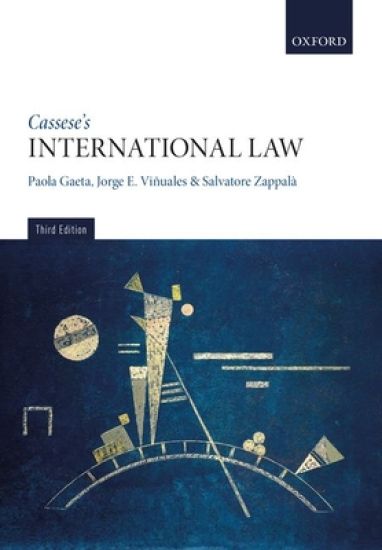
Cassese's International Law

Cassese's International Law

Paola Gaeta; Jorge E. Viñuales; Salvatore Zappalá

Oxford University Press
2020
nidottu
Cassese's International Law is a new edition of an established classic. Authors Gaeta, Viñuales, and Zappalá have built on the legacy of international law luminary Antonio Cassese to offer a thought-provoking and lucid account for today's undergraduates and postgraduates. The authors have refreshed Cassese's original approach, ensuring the book continues to compare the traditional legal position with the developing and evolving law. Advancing areas such as the law of the sea, territorial matters, and international environmental law have been expanded to give proper place to their evolving development, while brand new chapters on international trade and foreign investment have been written to reflect the advancements of these areas. In maintaining the broad structure and approach but providing new material, the authors bring fresh context to Cassese's thinking and provide students with an up-to-date, compelling account of the landscape of international legal thinking. Digital formats This edition is available for students and institutions to purchase in a variety of formats. The e-book offers a mobile experience and convenient access along with functionality tools, navigation features, and links that offer extra learning support: www.oxfordtextbooks.co.uk/ebooks
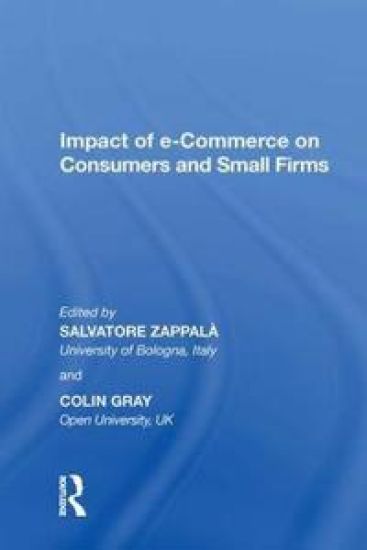
Impact of e-Commerce on Consumers and Small Firms
The change from old to new technologies has fundamentally changed the relationship between the consumer and the firm. This book is at the frontier of behavioural research into how these new commercial realities are borne out in practice, examining the adoption of e-commerce by small firms and the transactional phenomenon that entails access to the Internet. In analyzing the process of e-commerce adoption and why e-commerce actors behave as they do, its coverage includes the adoption of information and communication technologies (ICT) by small firms; the use of ICT applications to support marketing and sales transactions; and the factors that influence consumers' online purchasing decisions.
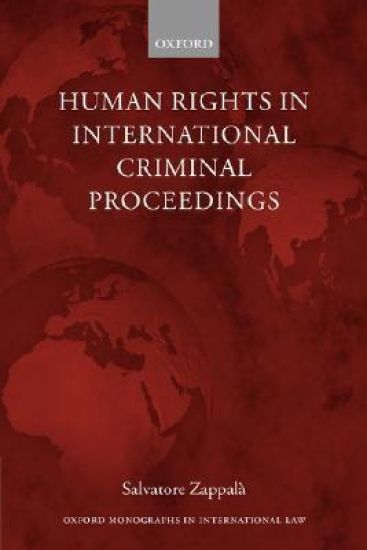
Human Rights in International Criminal Proceedings

Human Rights in International Criminal Proceedings

Salvatore Zappalà

Oxford University Press
2005
nidottu
This book takes a procedural approach to human rights guarantees in international criminal proceedings and covers both the systems of the ad hoc Tribunals for the former Yugoslavia and Rwanda and the International Criminal Court. It analyses the rights conferred on individuals involved in international criminal trials from the commencement of investigations to the sentencing stage, as well as the procedural rights of victims and witnesses. The study focuses on problems which have emerged in three main areas: (i) length of proceedings; (ii) absence of specific sanctions and other remedies for violation of procedural rules; (iii) the need to strengthen the protection of the accused from undue interference with his rights (likely to be caused by a variety of factors, such as conflicting governmental interests, the presence of malicious witnesses, or inadequate legal assistance). Three general suggestions are made to reduce the impact of these weaknesses. First, it could be helpful to adopt specific sanctions for violation of procedural rules (such as, the exclusion of evidence as a remedy for violations of rules on discovery). Secondly, (as has already been provided for in the ICC Statute,) the Prosecutor of the ad hoc Tribunals should play a proactive role in the search for the truth by, among other things, gathering evidence that might exonerate the accused. Thirdly, the right of compensation for unlawful arrest (or detention) and unjust conviction, provided for in the ICC Statute, should be extended to other serious violations of fundamental rights and, in addition, should be laid down in the Statutes of the ICTY and ICTR.
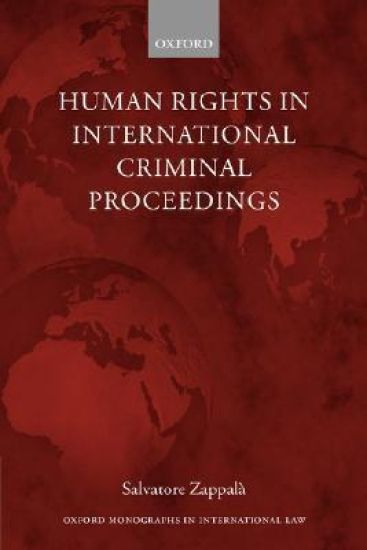
Human Rights in International Criminal Proceedings

Human Rights in International Criminal Proceedings

Salvatore Zappalà

Oxford University Press
2003
sidottu
This book takes a procedural approach to human rights guarantees in international criminal proceedings and covers both the systems of the ad hoc Tribunals for the former Yugoslavia and Rwanda and the International Criminal Court. It analyzes the rights conferred on individuals involved in international criminal trials from the commencement of investigations to the sentencing stage, as well as the procedural rights of victims and witnesses. The study focuses on problems which have emerged in three main areas: (i) length of proceedings; (ii) absence of specific sanctions and other remedies for violation of procedural rules; (iii) the need to strengthen the protection of the accused from undue interference with his rights (likely to be caused by a variety of factors, such as conflicting governmental interests, the presence of malicious witnesses, or inadequate legal assistance). Three general suggestions are made to reduce the impact of these weaknesses. First, it could be helpful to adopt specific sanctions for violation of procedural rules (such as, the exclusion of evidence as a remedy for violations of rules on discovery). Second, (as has already been provided for in the ICC Statute,) the Prosecutor of the ad hoc Tribunals should play a proactive role in the search for the truth, by among other things gathering evidence that might exonerate the accused. Third, the right of compensation for unlawful arrest (or detention) and unjust conviction, provided for in the ICC Statute, should be extended to other serious violations of fundamental rights, and in addition should be laid down in the Statutes of the ICTY and ICTR.