Kirjojen hintavertailu – 12 903 725 kirjaa ja 27 kauppaa

Kirjailija

Sam Lucy

Kirjat ja teokset yhdessä paikassa: 5 kirjaa, julkaisuja vuosilta 1998–2007, suosituimpiin kuuluu EAA 110: The Saxon and Medieval Settlement at West Fen Road, Ely. Vertaile teosten hintoja ja tarkista saatavuus suomalaisista kirjakaupoista.

5 kirjaa

Kirjojen julkaisuvuodet: 1998–2007.

EAA 110: The Saxon and Medieval Settlement at West Fen Road, Ely

EAA 110: The Saxon and Medieval Settlement at West Fen Road, Ely

Richard Mortimer; Roderick Regan; Sam Lucy

Cambridge Archaeological Unit
2005
nidottu
Excavations by the Cambridge Archaeological Unit in 1999 and 2000 on a housing development site off West Fen Road, to the west of Ely city centre, produced abundant evidence for Mid and Late Saxon and medieval settlement. Established in the early 8th century the site saw continuous occupation, often within the same ditched property boundaries, for almost 800 years, until its eventual desertion in the 15th century. A detailed reconstruction of the settlement history of the site indicates a very stable, but gradually evolving settlement which probably provided food and other services, originally to the monastic settlement, then to the abbey and subsequently to the bishops. This report deals with a selection of the excavations within the area, and includes some details on the pre-Saxon background. Discussions on the buildings, enclosures and settlement sequence, as well as on the artefacts and environmental evidence form the main basis of the report.
The Anglo-Saxon Way of Death

The Anglo-Saxon Way of Death

Sam Lucy

Sutton Publishing Ltd
2007
sidottu
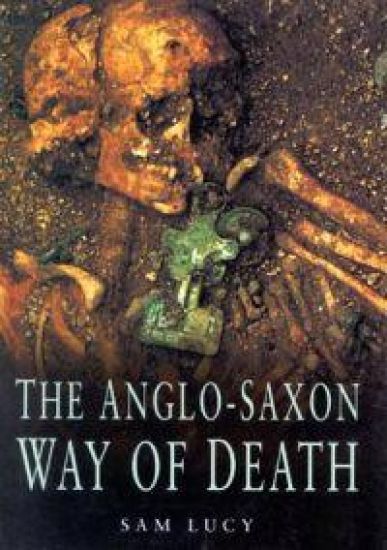
An up-to-date and accessible account of death and burial in Anglo-Saxon England. The book offers insights into the society and customs of the Anglo-Saxons and provides clues about their way of life and their understanding of the world. Through a detailed study of cemeteries, gravegoods and human remains, the author seeks to offer a review of this emotive subject. Samantha Lucy looks first at the background to the evidence and at prehistoric and Roman traditions. She then considers the discovery and excavation of Anglo-Saxon cemeteries and at the rites and practices of death, which included cremation and burial. She also describes what we can learn from the layout and siting of the cemeteries themselves, and demonstrates that the surviving evidence - in particular changes in costume and gravegoods - can be used to show how Anglo-Saxon customs of burial developed over 400 years.
Archaeology of Identity

Archaeology of Identity

Margarita Diaz-Andreu; Sam Lucy

Routledge
2005
sidottu
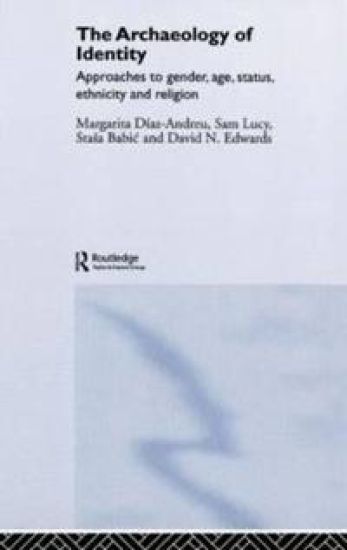
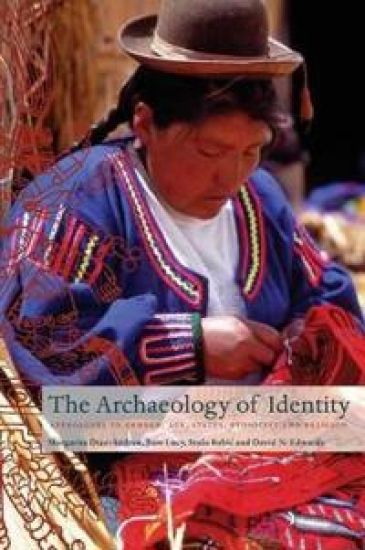
Bringing together a wealth of scholarship which provides a unique integrated approach to identity, The Archaeology of Identity presents an overview of the five key areas which have recently emerged in archaeological social theory: * gender* age* ethnicity* religion * status. This excellent book reviews the research history of each areas, the different ways in which each has been investigated, and offers new avenues for research and exploring the connections between them. Emphasis is placed on exploring the ways in which material culture structures, and is structured by, these aspects of individual and communal identity, with a particular examination of social practice. Useful for social scientists in sociology, anthropology and history, under- and postgraduates will find this an excellent addition to their course studies.
Archaeology of Identity

Archaeology of Identity

Margarita Diaz-Andreu; Sam Lucy

Routledge
2005
nidottu
Bringing together a wealth of scholarship which provides a unique integrated approach to identity, The Archaeology of Identity presents an overview of the five key areas which have recently emerged in archaeological social theory: * gender* age* ethnicity* religion * status. This excellent book reviews the research history of each areas, the different ways in which each has been investigated, and offers new avenues for research and exploring the connections between them. Emphasis is placed on exploring the ways in which material culture structures, and is structured by, these aspects of individual and communal identity, with a particular examination of social practice. Useful for social scientists in sociology, anthropology and history, under- and postgraduates will find this an excellent addition to their course studies.