Kirjojen hintavertailu – 12 903 727 kirjaa ja 27 kauppaa

Kirjailija

Samuel O. Regalado

Kirjat ja teokset yhdessä paikassa: 4 kirjaa, julkaisuja vuosilta 2008–2013, suosituimpiin kuuluu Viva Baseball!. Vertaile teosten hintoja ja tarkista saatavuus suomalaisista kirjakaupoista.

Nimi esiintyy myös muodoissa: Samuel O Regalado

4 kirjaa

Kirjojen julkaisuvuodet: 2008–2013.

Nikkei Baseball

Nikkei Baseball

Samuel O. Regalado

University of Illinois Press
2013
nidottu
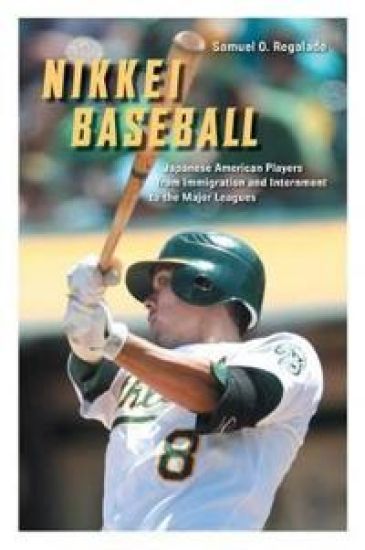
Nikkei Baseball examines baseball's evolving importance to the Japanese American community and the construction of Japanese American identity. Originally introduced in Japan in the late 1800s, baseball was played in the United States by Japanese immigrants first in Hawaii, then San Francisco and northern California, then in amateur leagues up and down the Pacific Coast. For Japanese American players, baseball was seen as a sport that encouraged healthy competition by imposing rules and standards of ethical behavior for both players and fans. The value of baseball as exercise and amusement quickly expanded into something even more important, a means for strengthening social ties within Japanese American communities and for linking their aspirations to America's pastimes and America's promise. With World War II came internment and baseball and softball played behind barbed wire. After their release from the camps, Japanese Americans found their reentry to American society beset by anti-Japanese laws, policies, and vigilante violence, but they rebuilt their leagues and played in schools and colleges. Drawing from archival research, prior scholarship, and personal interviews, Samuel O. Regalado explores key historical factors such as Meji-era modernization policies in Japan, American anti-Asian sentiments, internment during World War II, the postwar transition, economic and educational opportunities in the 1960s, the developing concept of a distinct "Asian American" identity, and Japanese Americans' rise to the major leagues with star players including Lenn Sakata and Kurt Suzuki and even managers such as the Seattle Mariners' Don Wakamatsu.
Latinos in U.S Sport

Latinos in U.S Sport

Jorge Iber; Samuel O. Regalado; Jose Alamillo; Arnoldo De Leon

Human Kinetics
2011
sidottu
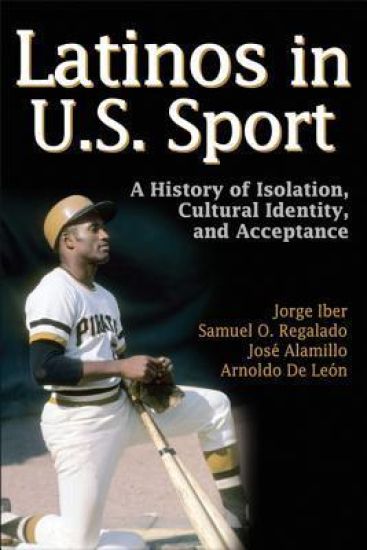
Latinos in U. S. Sport: A History of Isolation, Cultural Identity, and Acceptance is the first comprehensive exploration of Latino culture and its relationship to sport in what is now the United States. Spanning a period of 500 years from the 16th century to the present and discussing a wide range of Latino communities, regions, and sports, Latinos in U. S. Sport offers an accessible examination of the Latino sporting experience in the United States by covering topics ranging from cultural issues to economics. Using newspaper accounts and primary sources as well as dissertations and scholarly articles from history, education, sport business, and other disciplines, the authors provide a thorough and enlightening account of this population’s role in U. S. sport history. The text details the experiences of Mexican Americans, Puerto Ricans, Cubans, Dominicans, and others as it chronicles the community, school-based, and professional influences of Latinos within a variety of sports and sport contexts. The authors discuss the evolution of sport, games, and physical activity. They also examine the shifting perceptions both within and outside of the Latino community and the outcomes of these changes. The timeline within the text gives readers a visual presentation of the key events and figures in this culture’s history. The book highlights Latino athletes and teams who overcame great odds to succeed at the local, high school, collegiate, and professional levels and details the early participation of such individuals in international athletic competitions, such as the Olympics and Pan-American Games. In addition to examining well-known figures such as Nancy López, Chi Chi Rodríguez, Pancho González, and Roberto Clemente, special Unknown Heroes sidebars introduce readers to many lesser-known but influential athletes and coaches. Latinos in U. S. Sport begins by detailing the games and diversions particular to the Spanish conquistadors, various Native American groups, and the integrated culture of the mestizo, and it traces the ways in which American influence moved into these regions. Moving ahead to the late 19th and early 20th centuries, the text describes how European Americans used baseball as part of their attempt to bring “civilization” to the areas of the Caribbean and the Southwest. The text also discusses how the success of Cubans and other Latin Americans within Major League and Negro League Baseball helped to challenge the perception of Spanish speakers among the broader U. S. population. The final section of the book discusses the increasing presence of Latinos in all fields of sport competition, their growing presence in management and ownership of sport franchises, and their increasing economic power as consumers of athletic events. Latinos in U. S. Sport presents a long-overdue look at the history of Latino participation in multiple facets of American sport and provides a balanced and more complete history of the contribution of Spanish-speaking people to the history of U. S. sport. The text aims to generate discussion and inspire further recognition of the influence of Latinos in the U. S. sport world.
Viva Baseball!

Viva Baseball!

Samuel O. Regalado

University of Illinois Press
2008
nidottu
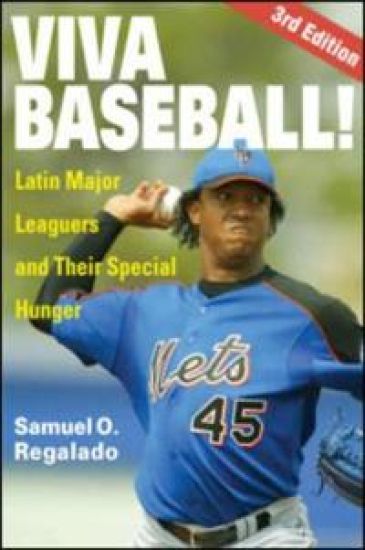
Lively and filled with vivid anecdotes, Viva Baseball! chronicles the struggles of Latin American professional baseball players in the United States from the late 1800s to the present. As Latino players, managers, and owners continue to blossom into baseball's biggest stars, they have benefited from a growing Spanish-language media, a group identity, an increase in financial leverage and attention, and a burgeoning Latino culture in the United States. Although there have been several positive developments in the treatment of Latin American players, many, such as Albert Pujols, Pedro Martinez, Alex Rodriguez, and Ozzie Guillen, still face shocking racism. Samuel O. Regalado draws upon archives and rich interviews with Latin baseball stars like Felipe Alou, Orlando Cepeda, and Minnie Minoso to show the changing tenor of discrimination in the twenty-first-century game.