Kirjojen hintavertailu – 12 903 725 kirjaa ja 27 kauppaa

Kirjailija

Samuel R Chand

Kirjat ja teokset yhdessä paikassa: 16 kirjaa, julkaisuja vuosilta 2015–2026, suosituimpiin kuuluu El Problema No Eres Tú... Es Cómo Te Ven. Vertaile teosten hintoja ja tarkista saatavuus suomalaisista kirjakaupoista.

Nimi esiintyy myös muodoissa: Samuel R. Chand

16 kirjaa

Kirjojen julkaisuvuodet: 2015–2026.

How Leaders Create Chaos

How Leaders Create Chaos

Samuel R Chand

AVAIL
2022
pokkari
When every innovation you make as a leader is followed by chaos, how can you get anything done? The answer isn't to prevent chaos-it is to conquer it In How Leaders Create Chaos, international leadership expert and consultant Sam Chand will empower you with the strategies you need to intentionally innovate, conquer chaos, and take your organization to the next level. Through this powerful leadership guide, you will be able to: -Better innovate and more accurately understand the effects your innovations will have within your organization-Gain a more thorough understanding of the nature of chaos and how it should be dealt with-Be empowered in your leadership capabilities and encouraged in your journeyChaos doesn't have to stop your organization from innovating, growing, and becoming better. It's your responsibility as a leader to understand chaos and learn how to help your organization navigate its ambiguous seas
Tsunami

Tsunami

Samuel R Chand; Scott Wilson

EXPAND Consulting Partners
2022
pokkari
One hundred percent of Pastors will stop Pastoring at some time. Whether by choice, circumstance or death, all Pastors will relinquish their positions. This is a simple statement of fact that is often glossed over by Pastors because of fear of mortality, failure to prepare, unrealistic timing, and lack of resources. There is a wave building-a tsunami coming-of Pastors who will exit the pulpit in the coming years. Are you prepared for your transition journey? Transition will occur either by default or design, and we at EXPAND want to help you design your transition with wisdom, honor, and clarity so that you can focus on the next thing God has in store for you. In focusing on design, we look at many foundational factors to build the process, including defining core values, developing a succinct communication plan, and navigating change. Tsunami is an introduction to how we think here at EXPAND and an idea of our guiding principles-with a leading emphasis on honor. We seek to convey honor for the church; honor for the present Pastor; honor for the succeeding Pastor; honor for the transitioning Pastor; honor for the Board; honor for the congregation; honor for the denomination, network, or association; honor for the community; honor for the past, present, and future; honor for those who have sacrificed much to bring the church to the present; honor for those who have given sacrificially; and honor for those who have volunteered and served the church.
Change Has Changed - Study Guide

Change Has Changed - Study Guide

Samuel R Chand

Four Rivers Media
2021
pokkari
"Over and over again, I've heard leaders in business, the church, and nonprofits tell me, "Sam, I can't wait until all this is over and we can return to normal." I completely understand this sentiment, but I gently and clearly inform them, "Yes, that would be wonderful, but I'm afraid it's not going to happen. Too much has changed for us to go back to the way things used to be. In fact, the very nature of change has changed We'll be living with it from now on." -Sam Chand_______________The Greek philosopher Heraclitus said change is the only constant in life. But the world has experienced so much upheaval since January 2020 that change itself has changed The pace of change was accelerating before...but the pandemic pressed the pedal to the floor. In Change Has Changed, leadership consultant Sam Chand sets out to help leaders understand the worldwide shifts that have occurred, the evolving nature of change, and solutions to the issues they are facing so that they can guide their organizations with wisdom and confidence.
El Cambio Ha Cambiado

El Cambio Ha Cambiado

Samuel R. Chand

Whitaker House
2021
nidottu
El fil sofo griego Her clito dijo que el cambio es la nica constante en la vida. Pero el mundo ha experimentado tanta agitaci n desde enero de 2020 que el cambio en s mismo ha cambiado En los negocios, las iglesias y las organizaciones sin fines de lucro, los l deres han quedado hechos polvo a medida que los eventos y los desaf os pasan r pidamente. El ritmo del cambio se estaba acelerando antes... pero la pandemia presion el pedal a fondo. "Estamos en un punto de inflexi n", dice el arquitecto de liderazgo y estratega de cambio Sam Chand. "La forma en que eran las cosas no es la forma en que ser n las cosas". En su nuevo libro El cambio ha cambiado, Sam se propone ayudar a los l deres a comprender la naturaleza evolutiva del cambio para que puedan guiar a sus organizaciones con sabidur a y confianza. El autor examina tres cambios importantes que compara con tres terremotos simult neos: - Nuestro ambiente ha cambiado. La gente trabaja desde casa, es posible que muchos negocios nunca vuelvan a abrir, y la forma en que compramos, manejamos las necesidades de salud e incluso vamos a la iglesia ha cambiado. -Nosotros hemos cambiado. Hemos aprendido a vivir con una incertidumbre desenfrenada y una balsa llena de temores persistentes, pero nuestros cuerpos y nuestras almas no estaban hechos para esto - Las personas que nos rodean han cambiado. Est n frustradas, aisladas, deprimidas, ansiosas y enojadas. Simplemente no se sienten seguras. Sam enfrenta estos y otros problemas relacionados ofreciendo lecciones que capacitar n a los l deres a estar preparados para la pr xima normalidad. "Sol amos hablar de una nueva normalidad como si fuera el punto final del cambio", explica Sam, "pero si hemos aprendido algo en los ltimos meses, es que el cambio es perpetuo y tenemos que anticipar el pr ximo cambio en el horizonte". The Greek philosopher Heraclitus said change is the only constant in life. But the world has experienced so much upheaval since January 2020 that change itself has changed In business, the church, and nonprofits, leaders are being left in the dust as events and challenges speed by in a blur. The pace of change was accelerating before...but the pandemic pressed the pedal to the floor. "We're at an inflection point," says leadership architect and change strategist Sam Chand. "The way things were isn't the way things will be." In his new book Change Has Changed, Sam sets out to help leaders understand the evolving nature of change so that they can guide their organizations with wisdom and confidence. He examines three major shifts that he likens to three simultaneous earthquakes: Our environment has changed. People are working from home, many businesses may never reopen, and the way we shop, handle health needs, and even go to church has changed. We have changed. We've learned to live with rampant uncertainty and a raft full of nagging fears--but our bodies and our souls weren't meant for this The people around us have changed. They are frustrated, isolated, depressed, anxious, and angry. They just don't feel safe. Sam tackles these and related issues head-on by offering lessons that will empower leaders to be ready for the next normal. "We used to talk about a new normal as if it's the end point of change," Sam explains, "but if we've learned anything in the past months, it's that change is perpetual, and we need to anticipate the next one on the horizon."
Change Has Changed: Time for a Strategic Reset
The Greek philosopher Heraclitus said change is the only constant in life. But the world has experienced so much upheaval since January 2020 that change itself has changed In business, the church, and nonprofits, leaders are being left in the dust as events and challenges speed by in a blur. The pace of change was accelerating before...but the pandemic pressed the pedal to the floor. "We're at an inflection point," says leadership architect and change strategist Sam Chand. "The way things were isn't the way things will be." In his new book Change Has Changed, Sam sets out to help leaders understand the evolving nature of change so that they can guide their organizations with wisdom and confidence. He examines three major shifts that he likens to three simultaneous earthquakes: Our environment has changed. People are working from home, many businesses may never reopen, and the way we shop, handle health needs, and even go to church has changed. We have changed. We've learned to live with rampant uncertainty and a raft full of nagging fears--but our bodies and our souls weren't meant for this The people around us have changed. They are frustrated, isolated, depressed, anxious, and angry. They just don't feel safe. Sam tackles these and related issues head-on by offering lessons that will empower leaders to be ready for the next normal. "We used to talk about a new normal as if it's the end point of change," Sam explains, "but if we've learned anything in the past months, it's that change is perpetual, and we need to anticipate the next one on the horizon."
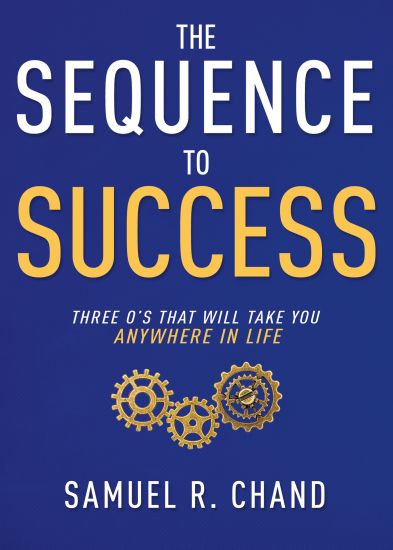
The Sequence to Success: Three O's That Will Take You Anywhere in Life
Every one of us gets anywhere in life due to three things: someone observes us, forms an opinion about us, and decides to give us an opportunity...or not. Likewise, we do the same thing with others. People have played this essential role in our lives, and we play it in the lives of those around us--and no matter how skilled we've become, we can play it even better. The sequence applies in business, the church, marriages, parenting, and friendships. We often assess others in the blink of an eye. We instinctively notice the look on someone's face, the tone of voice, or the body language that's consistent or different from the words being spoken. We react to our observation, but we seldom stop to analyze before we respond--it just happens, and it happens immediately: we observe and have an opinion, and based on what we've determined in that second, we either give the person an opportunity to engage with us or we close the door and remain guarded. The Sequence to Success: Three O's That Will Take You Anywhere in Life is a leadership book, but it's not limited to corporate presidents, CEOs, or lead pastors; it's for everyone who has a position of influence in another person's life--and that includes all of us. In this book, Sam Chand brings our subconscious assumptions into the light. With more insight and confidence, you'll make better decisions to advance the people around you...or perhaps show them the door. These principles also help you become more conscious that people are observing you and forming opinions about you that will open or close doors of opportunity.
Piensa Diferente, Vive Diferente

Piensa Diferente, Vive Diferente

Samuel R Chand

Whitaker House
2019
pokkari
"Nuestros procesos de pensamiento son tan familiares, tan arraigados, que no podemos imaginar pensar de una manera nueva. Es como si nuestras mentes estuvieran ejecutando un software anticuado que es lento, con muchas fallas y que es improductivo, pero es todo lo que hemos conocido. Necesitamos actualizar el software en nuestras cabezas "- Sam Chand Algunas personas pensaban que estaban haciendo a Sam Chand "una oferta que no pod a rechazar" cuando lo invitaron a hablar en un evento de dos d as en el extranjero. Despu s de todo, estaban pagando por vuelos en primera clase y alojamiento tanto para Chand como para su esposa, adem s de pagar un generoso honorario. Pero l no aprovech la oportunidad. Chand tan solo estaba interesado en "el impacto existencial a largo plazo" en los asistentes. l pregunt " Todas las actividades me dar n la oportunidad de influir en personas influyentes? Puedo ser parte de una experiencia que deje una marca en el liderazgo, en lugar de tan solo un evento de liderazgo? ". En lugar de ganar dinero, Chand estaba interesado en construir relaciones. l estaba pensando de una manera diferente a como ellos pensaban. Chand se ala que nuestras percepciones y patrones de pensamiento determinan nuestras emociones, valores y creencias, lo que influye en c mo respondemos a las personas y los eventos. A veces, ni siquiera somos conscientes de las razones detr s de lo que decimos y hacemos, porque nuestras respuestas pueden estar arraigadas desde la infancia. Pero Chand cree que todos nosotros podemos tener una manera diferente de pensar que nos permita crear un nuevo futuro. l se ha propuesto ayudar a las personas a pensar m s all de los objetivos espec ficos, y considerar los objetivos y los resultados clave, desafiarse a s mismos, hacerse preguntas cruciales y "actualizar el software" en sus cabezas. A trav s de este libro, Chand espera ayudar a otros a "pensar de manera m s profunda, m s clara y m s productiva que nunca antes". Sam Chand te ofrece una manera de desafiarte a ti mismo, hacer preguntas cruciales y "actualizar el software" en tu cabeza, para desarrollar el pensamiento diferente que pueda crearte un nuevo futuro. "Our thought processes are so familiar, so ingrained, that we can't imagine thinking a new way. It's like our minds are running antiquated software that's slow, with lots of glitches, and is unproductive, but it's all we've ever known. We need to upgrade the software in our heads "--Sam Chand Some people thought they made Sam Chand "an offer he couldn't refuse" when they invited him to speak at a two-day event overseas. After all, they were paying for first-class travel and accommodations for both Chand and his wife, plus throwing in a generous honorarium. But he didn't jump at the opportunity. Chand was only interested in "the long-term, existential impact" on attendees. He asked, "Will every activity give me the opportunity to influence influencers? And can I be part of a leadership journey instead of just a leadership event?" Rather than monetary gain, Chand was interested in building relationships. He was thinking in a different way than they were. Chand notes that our perceptions and thinking patterns determine our emotions, values, and beliefs, influencing how we respond to people and events. Sometimes, we are not even aware of the reasons behind what we say and do because our responses may be ingrained from childhood. But Chand believes all of us can have New Thinking for a New Future. He has set out to help people move beyond specific goals and consider objectives and key results, challenge themselves, ask crucial questions, and "upgrade the software" in their heads. Through this book, Chand hopes to help others "think more deeply, more clearly, and more productively than ever before."

Inspira

Inspira

Samuel R Chand

Whitaker House
2018
pokkari
"La cultura, no la visi n o la estrategia, es el factor m s poderoso en cualquier organizaci n. Ella determina la receptividad del personal y de los voluntarios a nuevas ideas, desata o inhibe la creatividad, construye o erosiona el entusiasmo,
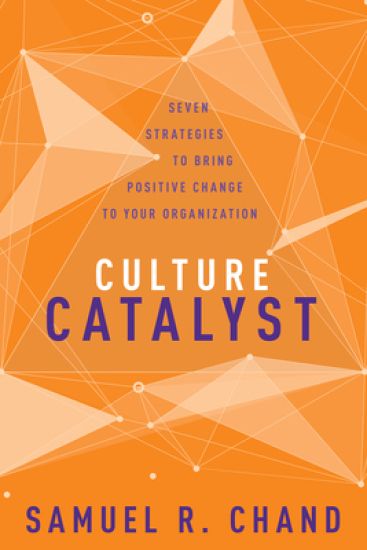
Culture Catalyst: Seven Strategies to Bring Positive Change to Your Organization
Culture Catalyst: Seven Strategies to Bring Positive Change to Your Organization "Culture--not vision or strategy--is the most powerful factor in any organization. It determines the receptivity of staff and volunteers to new ideas, unleashes or dampens creativity, builds or erodes enthusiasm, and creates a sense of pride or deep discouragement about working or being involved there. Ultimately, the culture of an organization--particularly in churches and nonprofit organizations, but also in any organization--shapes individual morale, teamwork, effectiveness, and outcomes." -from Chapter One Often, organizational leaders confuse culture with vision and strategy, but they are very different. Vision and strategy usually focus on products, services, and outcomes, but culture is about the people--an organization's most valuable asset. Culture Catalyst: Seven Strategies to Bring Positive Change to Your Organization offers a practical resource for discovering the deficits in an existing organization's culture, and includes the steps needed to assess, correct, and change culture from lackluster to vibrant and inspirational, so that it truly meets the needs of the organization. Prominent leadership consultant Sam Chand describes the five easily identifiable categories of organizational culture (Inspiring, Accepting, Stagnant, Discouraging, and Toxic), and includes diagnostic methods that leaders can use to identify the particular strengths and needs of their organization's culture. To help in this process, there is also a separate, free, online assessment tool (www.samchandculturesurvey.com). Once an organization's culture is clearly identified, leaders can put in place a strategy for applying the seven keys of CULTURE (Control, Understanding, Leadership, Trust, Unafraid, Responsive, and Execution) that will make their culture one that stimulates people to be and do their very best and ultimately reach their highest goals.
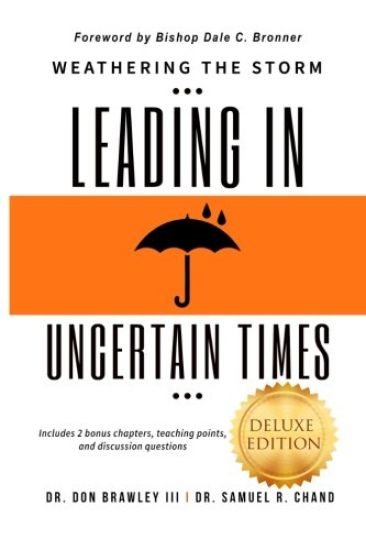
Weathering the Storm: Leading in Uncertain Times

Weathering the Storm: Leading in Uncertain Times

Samuel R. Chand; Don Brawley LLL

Influencers Publishing, LLC
2017
nidottu
Look around you. Things have changed. The world you live in now isn't the world you grew up in then. That world is gone. One thing on the planet remains the same - change. You live within this paradigm. Even harder, you lead others through this paradox. As a 21st century leader, you are called to weather the storms of change and lead others through uncertain times. All leaders, teams, companies, marriages, families, departments experience change; but, they don't all benefit from it. Some only go through the storms of change; while others grow through them. Change is inevitable. Growth is optional. If you want to weather your storm and lead others, despite uncertainty, you'll have to change the way you change. This deluxe edition is complete with discussion questions, teaching points, and two additional chapters on change and transition. You'll learn how to transition through change. Lead confidently and courageously. Plan your strategy. Limit your losses. Outlast your storm. Seize God-sized opportunities
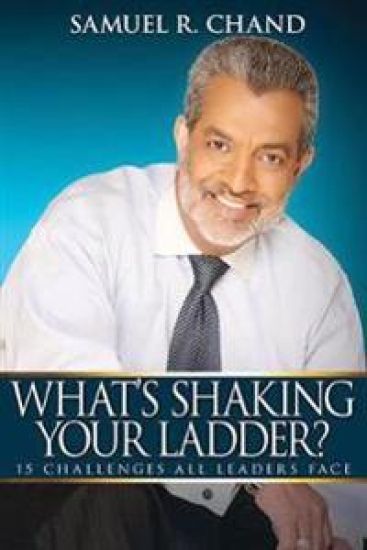
What's Shaking Your Ladder?

What's Shaking Your Ladder?

Samuel R Chand

Whitaker House
2016
pokkari
What obstacles are blocking you? What is your biggest leadership challenge? If overcome successfully, what challenge is ready to springboard you toward your destiny? In What's Shaking Your Ladder? Dr. Samuel Chand discusses fifteen challenges that are common to all leaders and teaches you how to successfully overcome them. Regardless of whether you are leading a new and developing organization or a Fortune 500 corporation, you will be confronted by the challenges of: FOCUS: Finding and maintaining what is importantCOMMUNICATION: Saying it in a way that everyone gets itDECISION MAKING: Understanding how we make decisions, so we can make them betterCHOOSING THE TEAM: Making critical decisions about who is on our teamCHANGE VS. TRANSITION: Intentionally planning transitions for smoother changeCONFLICT: Understanding the importance of health during conflictCONTROL VS. DELEGATION: Learning when to hang on and when to let goEXECUTION: Getting the job done Dr. Chand takes an in-depth look at each of these challenges (plus eight more) and provides practical advice on how to face and overcome the things that are blocking you from achieving your personal best. If you want to grow as a leader, this book is your guide.
Emociones Que Conducen Al Éxito

Emociones Que Conducen Al Éxito

Héctor Teme; Samuel R Chand

Whitaker House
2015
pokkari
En un mundo donde sentir se ha vuelto lo m s importante, ya no hay razones; solo emociones. La gente est sedienta de una nueva experiencia que busca vivir y sentir al minuto...y como nada gratifica m s que el presente, olvidamos dise ar un ma ana
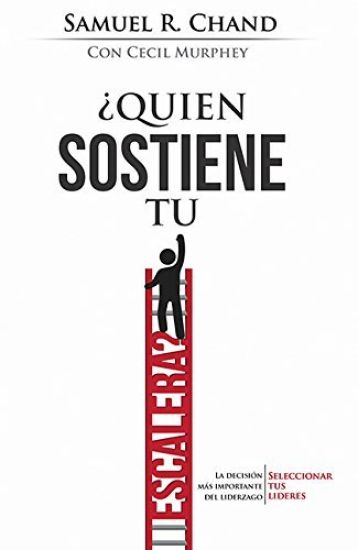
¿Quién Sostiene Tu Escalera?

¿Quién Sostiene Tu Escalera?

Samuel R Chand; Cecil Murphey

Whitaker House
2015
pokkari
Qui n sostiene tu escalera? te ayudar a entender las din micas de elegir a tus l deres. Descubrir s la diferencia entre un l der y un administrador, y evitar s situar a personas en lugares equivocados. Las personas que te trajeron hasta aqu , a pesar de sus buenas intenciones, puede que no sean las personas que te lleven hasta el futuro. Qui n sostiene tu escalera? nos recuerda que la altura de cualquier l der visionario y el cumplimiento de la visi n dependen de qui n est sosteniendo su escalera. Sin un sostenedor de escalera puedes subir solamente hasta cierto nivelCon un sostenedor de escalera puedes llegar m s arribaA medida que aumenta la visi n, aumenta la necesidad de otro tipo de sostenedor de escalera Cualidades esenciales y cr ticas que todos los sostenedores de escalera excelentes deben poseerL deres y administradores: ambos tienen papeles importantes; sin embargo, conocer la diferencia conducir a situar a las personas en los lugares correctosC mo convertir a sostenedores de escalera en trepadores de escaleraMost organizational mistakes can be avoided, or certainly minimized, by understanding one principle: The most important decision you will ever make as a leader is selecting the leaders around you. The fact is, the people who have brought you this far, however well-meaning, may not be the right people to take you into the future. Who's Holding Your Ladder?reminds us that the height and fulfillment of any visionary leader are contingent on whoever is holding his or her ladder. With Dr. Chand's help, you will discover... That without a ladder-holder, you can climb only to a certain level. That with the right ladder-holders, you can go much higher. That as organizational vision increases, the need for another type of ladder-holder increases. The essential qualities all first-rate ladder-holders must possess. The fact that leaders and managers both play critical roles; however, knowing the difference between these roles will lead to proper people placement. How to turn ladder-holders into ladder-climbers.