
Kirjojen hintavertailu – 12 859 828 kirjaa ja 27 kauppaa

Kirjailija

Sanket Mohapatra

Kirjat ja teokset yhdessä paikassa: 2 kirjaa, julkaisuja vuosilta 2010–2011, suosituimpiin kuuluu Leveraging Migration for Africa: Remittances, Skills, and Investments. Vertaile teosten hintoja ja tarkista saatavuus suomalaisista kirjakaupoista.

2 kirjaa

Kirjojen julkaisuvuodet: 2010–2011.

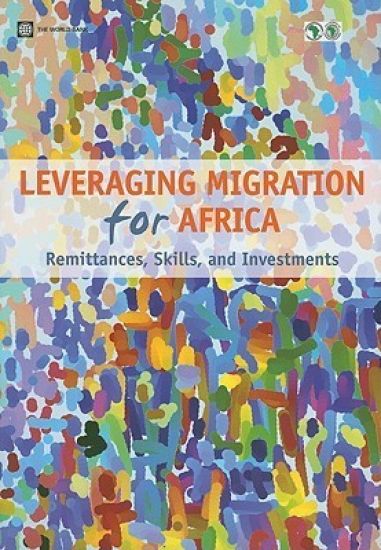
Leveraging Migration for Africa: Remittances, Skills, and Investments

Leveraging Migration for Africa: Remittances, Skills, and Investments

Dilip Ratha; Sanket Mohapatra; Caglar Ozden; Sonia Plaza; William Shaw

World Bank Publications
2011
nidottu
A joint effort led by the African Development Bank and the World Bank, 'Leveraging Migration for Africa' is the first comprehensive publication on harnessing migration, remittances, and other diaspora resources for the development of Africa. It comes at a time when countries in Africa and elsewhere are grappling with difficult choices on how to manage migration. Policy makers can help leverage the contributions of migrants to the development of Africa, reduce remittance costs, improve the efficiency of remittance markets in both origin and destination countries, and address the needs of the origin countries without restricting the emigration of high-skilled professionals. Innovative financing mechanisms such as issuance of diaspora bonds and securitization of future remittance flows can help finance big-ticket projects, such as railways, roads, power plants, and institutions of higher learning that will, step by step, help to transform Africa. This volume contributes to a greater understanding of migration and its potential role in Africa's development.
Migrant Remittance Flows

Migrant Remittance Flows

Dilip Ratha; Jacqueline Irving; Sanket Mohapatra

World Bank Publications
2010
nidottu
Migrant remittances provide the most tangible link between migration and development, having significant potential to reduce poverty and spur socioeconomic development. Drawing on the findings from responses to a survey conducted in 2008-09 from 114 central banks worldwide (of which 33 are in Africa), this paper aims to better understand how central banks and other national institutions regulate and collect data and other information on cross-border remittance flows. Findings indicate that, although the vast majority of countries, in both sending and receiving countries, collect data on remittances, and 43 percent of receiving countries estimate informal remittances, there is a need for more frequent and better coordinated data collection, both across national institutions and among different divisions within the same national institution, as well as between countries. Countries must take into account new channels and technologies, such as mobile phone service providers, in monitoring remittance flows, as the survey results indicate that many new market entrants?? transfer activities are unregulated. It will be important for national regulatory authorities to work closely with mobile telecoms network operators to strike the right regulatory balance, to better understand these new channels?? associated risks and fully tap their potential for fostering inexpensive, efficient remittance transfer services. Policy reforms and initiatives are needed to address the high cost of transfers, cited in the survey as the top factor inhibiting migrants from using formal channels. Building further on the recent progress by many countries, particularly in Africa, in rendering exclusivity contracts illegal would help increase competitiveness and reduce transfer costs.