Kirjojen hintavertailu – 12 859 828 kirjaa ja 27 kauppaa

Kirjailija

Sara McLaughlin Mitchell

Kirjat ja teokset yhdessä paikassa: 4 kirjaa, julkaisuja vuosilta 2011–2015, suosituimpiin kuuluu Domestic Law Goes Global. Vertaile teosten hintoja ja tarkista saatavuus suomalaisista kirjakaupoista.

4 kirjaa

Kirjojen julkaisuvuodet: 2011–2015.

The Triumph of Democracy and the Eclipse of the West

The Triumph of Democracy and the Eclipse of the West

Ewan Harrison; S. Mitchell; Sara McLaughlin Mitchell

Palgrave Macmillan
2015
nidottu
This book explores the paradox of the worldwide spread of democracy and capitalism in an era of Western decline. The rest is overtaking the West as Samuel Huntington predicted, but because it is adopting Western institutions. The emerging global order offers unprecedented opportunities for the expansion of peace, prosperity, and freedom. Yet this is not the 'end of history', but the beginning of a post-Western future for the democratic project. The major conflicts of the future will occur between the established democracies of the West and emerging democracies in the developing world as they seek the benefits and recognition associated with membership of the democratic community. This 'clash of democratizations' will define world politics.

The Triumph of Democracy and the Eclipse of the West

The Triumph of Democracy and the Eclipse of the West

Ewan Harrison; S. Mitchell; Sara McLaughlin Mitchell

Palgrave Macmillan
2013
sidottu
This book explores the paradox of the worldwide spread of democracy and capitalism in an era of Western decline. The rest is overtaking the West as Samuel Huntington predicted, but because it is adopting Western institutions. The emerging global order offers unprecedented opportunities for the expansion of peace, prosperity, and freedom. Yet this is not the 'end of history', but the beginning of a post-Western future for the democratic project. The major conflicts of the future will occur between the established democracies of the West and emerging democracies in the developing world as they seek the benefits and recognition associated with membership of the democratic community. This 'clash of democratizations' will define world politics.
Domestic Law Goes Global

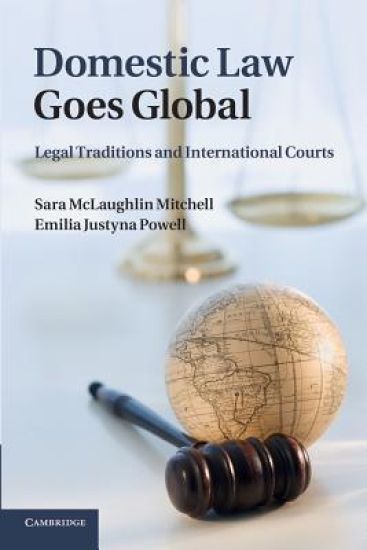
Domestic Law Goes Global

Sara McLaughlin Mitchell; Emilia Justyna Powell

Cambridge University Press
2013
pokkari

Halvin toimitettuna 42,50 €

International courts have proliferated in the international system, with over one hundred judicial or quasi-judicial bodies in existence today. This book develops a rational legal design theory of international adjudication in order to explain the variation in state support for international courts. Initial negotiators of new courts, 'originators', design international courts in ways that are politically and legally optimal. States joining existing international courts, 'joiners', look to the legal rules and procedures to assess the courts' ability to be capable, fair and unbiased. The authors demonstrate that the characteristics of civil law, common law and Islamic law influence states' acceptance of the jurisdiction of international courts, the durability of states' commitments to international courts, and the design of states' commitments to the courts. Furthermore, states strike cooperative agreements most effectively in the shadow of an international court that operates according to familiar legal principles and rules.
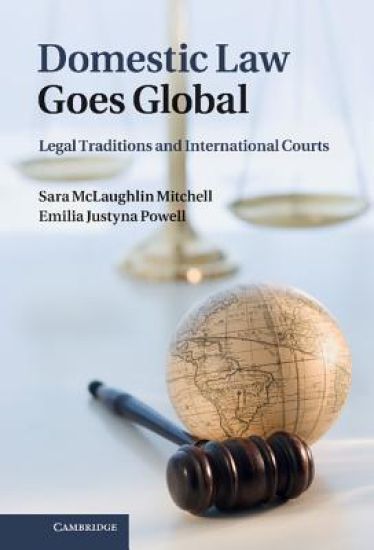
Domestic Law Goes Global

Domestic Law Goes Global

Sara McLaughlin Mitchell; Emilia Justyna Powell

Cambridge University Press
2011
sidottu
International courts have proliferated in the international system, with over one hundred judicial or quasi-judicial bodies in existence today. This book develops a rational legal design theory of international adjudication in order to explain the variation in state support for international courts. Initial negotiators of new courts, 'originators', design international courts in ways that are politically and legally optimal. States joining existing international courts, 'joiners', look to the legal rules and procedures to assess the courts' ability to be capable, fair and unbiased. The authors demonstrate that the characteristics of civil law, common law and Islamic law influence states' acceptance of the jurisdiction of international courts, the durability of states' commitments to international courts, and the design of states' commitments to the courts. Furthermore, states strike cooperative agreements most effectively in the shadow of an international court that operates according to familiar legal principles and rules.