Kirjojen hintavertailu – 12 903 735 kirjaa ja 27 kauppaa

Kirjailija

Sara Pennell

Kirjat ja teokset yhdessä paikassa: 5 kirjaa, julkaisuja vuosilta 2003–2026, suosituimpiin kuuluu Auctions and the Consumption of Second-Hand Goods in Georgian England. Vertaile teosten hintoja ja tarkista saatavuus suomalaisista kirjakaupoista.

5 kirjaa

Kirjojen julkaisuvuodet: 2003–2026.

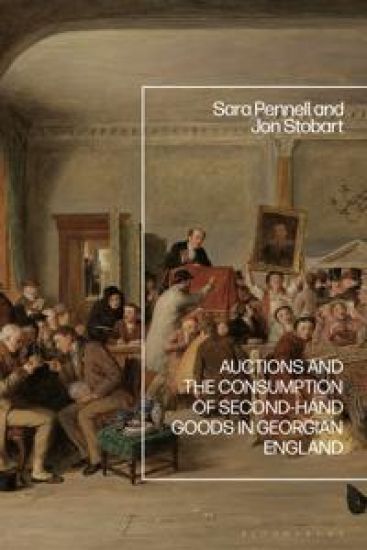
Auctions and the Consumption of Second-Hand Goods in Georgian England

Auctions and the Consumption of Second-Hand Goods in Georgian England

Sara Pennell; Jon Stobart

BLOOMSBURY PUBLISHING PLC
2026
sidottu
This book provides the first comprehensive examination of household auctions as the key mechanism for recirculating household goods through the 18th and early 19th century. In focusing on household auctions, Sara Pennell and Jon Stobart contextualise and historicise the importance of used goods to consumer choices, experiences and identities. They tell the stories of the people and things, as well as the broader processes, practices and attitudes that were bound up in the commercial recirculation of used goods through auctions. Auctions and the Consumption of Used Goods in Georgian England rebalances the historiography of second-hand consumption – currently dominated by used clothing on the one hand, and the sale of books, art and antiques on the other – and brings second-hand into the mainstream of household consumption. It also explodes the twin myths that second-hand was the last resort of the poor and that it declined rapidly as Britain industrialised and the supply of new consumer goods increased; in reality, household auctions remained vibrant and important mechanisms of supply. Finally, the book demonstrates that consumer motivations were far more complex than simple financial necessity; the reasons for buying second-hand varied between households and according to the type of goods being bought – thrift, utility and the construction of identity all played a part. Household auctions did not fade to the margins; they remained an important part of how households acquired a wide variety of goods and fulfilled a variety of consumer needs.
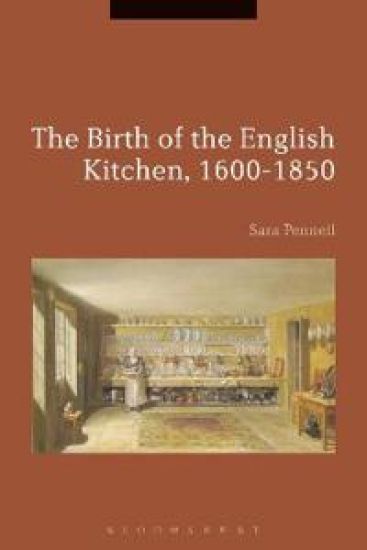
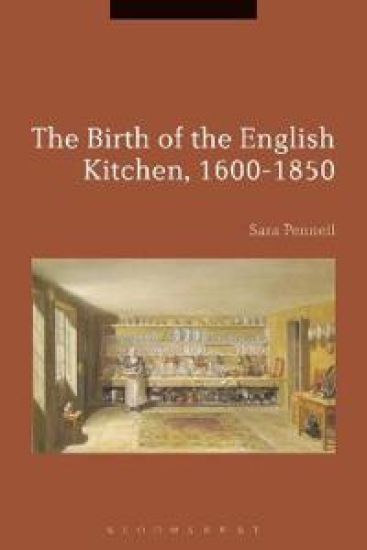
The Birth of the English Kitchen, 1600-1850

The Birth of the English Kitchen, 1600-1850

Sara Pennell

Bloomsbury Academic
2017
nidottu
Tracing the emergence of the domestic kitchen from the 17th to the middle of the 19th century, Sara Pennell explores how the English kitchen became a space of specialised activity, sociability and strife. Drawing upon texts, images, surviving structures and objects, The Birth of the English Kitchen, 1600-1850 opens up the early modern English kitchen as an important historical site in the construction of domestic relations between husband and wife, masters, mistresses and servants and householders and outsiders; and as a crucial resource in contemporary heritage landscapes.
Didactic Literature in England 1500–1800
Ranging from music to astronomy, gardening to the Bible, this essay collection is the first multi-disciplinary volume to examine a kind of text that was a staple of early modern English publishing: the how-to book. It tackles a wide range of subjects - grammars, music books, gardening manuals, teach-yourself book-keeping - while highlighting the commonalities of diverse texts as didactic works, and situating this material in wider intellectual and material contexts. An introductory essay explores the uses of didactic texts in early modern culture, evaluates their relationships with other literary forms, and establishes the significance of such texts within the cultural history of the period. There follow contributions by an international group of scholars from a broad range of disciplines, including the history of science, literature, lingustics, and musicology. The volume addresses the important issue of how texts that tend to be regarded today as 'non-literary' functioned within early modern literature. It also evaluates relationships between textual prescription and actual practices, and the early modern conception of experience as opposed to knowledge, that presently concern social and cultural historians and historians of science. Drawing attention to non-fictional, didactic texts as opposed to the imaginative and political writings that have been its focus until now, Didactic Literature in England 1500-1800 adds a new dimension to the study of reading, readership and publishing. All in all, it constitutes a substantial contribution to histories of knowledge, of educational processes and practices, and to the history of the book in early modern England.
The Birth of the English Kitchen, 1600-1850

The Birth of the English Kitchen, 1600-1850

Sara Pennell

Bloomsbury Academic USA
2016
sidottu
Tracing the emergence of the domestic kitchen from the 17th to the middle of the 19th century, Sara Pennell explores how the English kitchen became a space of specialised activity, sociability and strife. Drawing upon texts, images, surviving structures and objects, The Birth of the English Kitchen, 1600-1850 opens up the early modern English kitchen as an important historical site in the construction of domestic relations between husband and wife, masters, mistresses and servants and householders and outsiders; and as a crucial resource in contemporary heritage landscapes.
Didactic Literature in England 1500–1800

Didactic Literature in England 1500–1800

Sara Pennell

Ashgate Publishing Limited
2003
sidottu
Ranging from music to astronomy, gardening to the Bible, this essay collection is the first multi-disciplinary volume to examine a kind of text that was a staple of early modern English publishing: the how-to book. It tackles a wide range of subjects - grammars, music books, gardening manuals, teach-yourself book-keeping - while highlighting the commonalities of diverse texts as didactic works, and situating this material in wider intellectual and material contexts. An introductory essay explores the uses of didactic texts in early modern culture, evaluates their relationships with other literary forms, and establishes the significance of such texts within the cultural history of the period. There follow contributions by an international group of scholars from a broad range of disciplines, including the history of science, literature, lingustics, and musicology. The volume addresses the important issue of how texts that tend to be regarded today as 'non-literary' functioned within early modern literature. It also evaluates relationships between textual prescription and actual practices, and the early modern conception of experience as opposed to knowledge, that presently concern social and cultural historians and historians of science. Drawing attention to non-fictional, didactic texts as opposed to the imaginative and political writings that have been its focus until now, Didactic Literature in England 1500-1800 adds a new dimension to the study of reading, readership and publishing. All in all, it constitutes a substantial contribution to histories of knowledge, of educational processes and practices, and to the history of the book in early modern England.