Kirjojen hintavertailu – 12 903 724 kirjaa ja 27 kauppaa
Kirjailija
Sarah A. Radcliffe
Kirjat ja teokset yhdessä paikassa: 8 kirjaa, julkaisuja vuosilta 1993–2022, suosituimpiin kuuluu Decolonizing Geography. Vertaile teosten hintoja ja tarkista saatavuus suomalaisista kirjakaupoista.
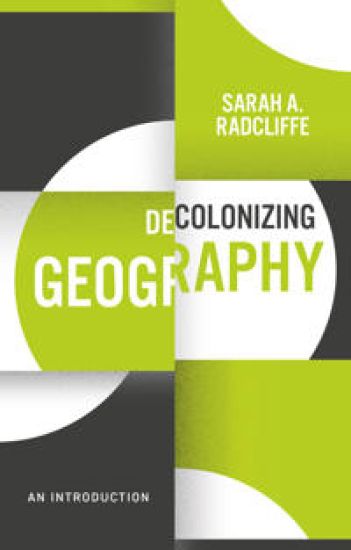
The first book of its kind, Decolonizing Geography offers an indispensable introductory guide to the origins, current state and implications of the decolonial project in geography. Sarah A. Radcliffe recounts the influence of colonialism on the discipline of geography and introduces key decolonial ideas, explaining why they matter and how they change geography’s understanding of people, environments and nature. She explores the international origins of decolonial ideas, through to current Indigenous thinking, coloniality-modernity, Black geographies and decolonial feminisms of colour. Throughout, she presents an original synthesis of wide-ranging literatures and offers a systematic decolonizing approach to space, place, nature, global-local relations, the Anthropocene and much more. Decolonizing Geography is an essential resource for students and instructors aiming to broaden their understanding of the nature, origins and purpose of a geographical education.
The first book of its kind, Decolonizing Geography offers an indispensable introductory guide to the origins, current state and implications of the decolonial project in geography. Sarah A. Radcliffe recounts the influence of colonialism on the discipline of geography and introduces key decolonial ideas, explaining why they matter and how they change geography’s understanding of people, environments and nature. She explores the international origins of decolonial ideas, through to current Indigenous thinking, coloniality-modernity, Black geographies and decolonial feminisms of colour. Throughout, she presents an original synthesis of wide-ranging literatures and offers a systematic decolonizing approach to space, place, nature, global-local relations, the Anthropocene and much more. Decolonizing Geography is an essential resource for students and instructors aiming to broaden their understanding of the nature, origins and purpose of a geographical education.
Viva explores the growing role of women in Latin America focussing in particular on the construction of gender through political activism and the centrality of gender, class and ethnicity to the ideological construct of `the nation'.
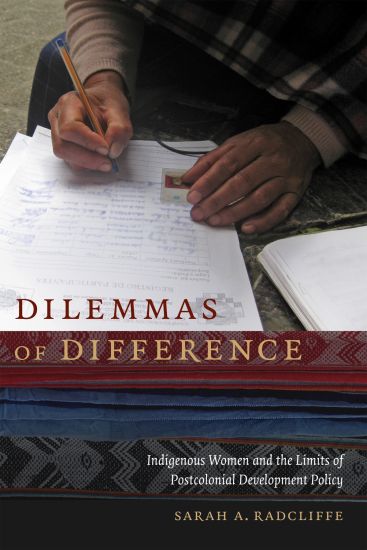
In Dilemmas of Difference Sarah A. Radcliffe explores the relationship of rural indigenous women in Ecuador to the development policies and actors that are ostensibly there to help ameliorate social and economic inequality. Radcliffe finds that development policies’s inability to recognize and reckon with the legacies of colonialism reinforces long-standing social hierarchies, thereby reproducing the very poverty and disempowerment they are there to solve. This ineffectiveness results from failures to acknowledge the local population's diversity and a lack of accounting for the complex intersections of gender, race, ethnicity, class, and geography. As a result, projects often fail to match beneficiaries' needs, certain groups are made invisible, and indigenous women become excluded from positions of authority. Drawing from a mix of ethnographic fieldwork and postcolonial and social theory, Radcliffe centers the perspectives of indigenous women to show how they craft practices and epistemologies that critique ineffective development methods, inform their political agendas, and shape their strategic interventions in public policy debates.
In Dilemmas of Difference Sarah A. Radcliffe explores the relationship of rural indigenous women in Ecuador to the development policies and actors that are ostensibly there to help ameliorate social and economic inequality. Radcliffe finds that development policies’s inability to recognize and reckon with the legacies of colonialism reinforces long-standing social hierarchies, thereby reproducing the very poverty and disempowerment they are there to solve. This ineffectiveness results from failures to acknowledge the local population's diversity and a lack of accounting for the complex intersections of gender, race, ethnicity, class, and geography. As a result, projects often fail to match beneficiaries' needs, certain groups are made invisible, and indigenous women become excluded from positions of authority. Drawing from a mix of ethnographic fieldwork and postcolonial and social theory, Radcliffe centers the perspectives of indigenous women to show how they craft practices and epistemologies that critique ineffective development methods, inform their political agendas, and shape their strategic interventions in public policy debates.
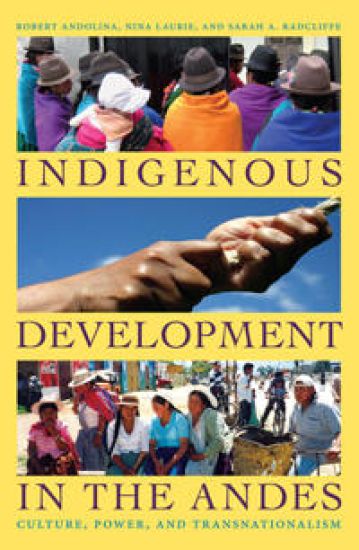
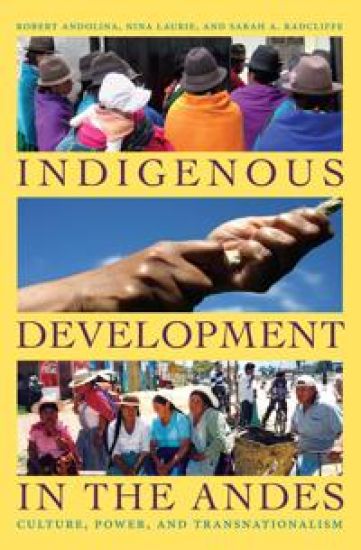
As indigenous peoples in Latin America have achieved greater prominence and power, international agencies have attempted to incorporate the agendas of indigenous movements into development policymaking and project implementation. Transnational networks and policies centered on ethnically aware development paradigms have emerged with the goal of supporting indigenous cultures while enabling indigenous peoples to access the ostensible benefits of economic globalization and institutionalized participation. Focused on Bolivia and Ecuador, Indigenous Development in the Andes is a nuanced examination of the complexities involved in designing and executing “culturally appropriate” development agendas. Robert Andolina, Nina Laurie, and Sarah A. Radcliffe illuminate a web of relations among indigenous villagers, social movement leaders, government officials, NGO workers, and staff of multilateral agencies such as the World Bank. The authors argue that this reconfiguration of development policy and practice permits Ecuadorian and Bolivian indigenous groups to renegotiate their relationship to development as subjects who contribute and participate. Yet it also recasts indigenous peoples and their cultures as objects of intervention and largely fails to address fundamental concerns of indigenous movements, including racism, national inequalities, and international dependencies. Andean indigenous peoples are less marginalized, but they face ongoing dilemmas of identity and agency as their fields of action cross national boundaries and overlap with powerful institutions. Focusing on the encounters of indigenous peoples with international development as they negotiate issues related to land, water, professionalization, and gender, Indigenous Development in the Andes offers a comprehensive analysis of the diverse consequences of neoliberal development, and it underscores crucial questions about globalization, governance, cultural identity, and social movements.
As indigenous peoples in Latin America have achieved greater prominence and power, international agencies have attempted to incorporate the agendas of indigenous movements into development policymaking and project implementation. Transnational networks and policies centered on ethnically aware development paradigms have emerged with the goal of supporting indigenous cultures while enabling indigenous peoples to access the ostensible benefits of economic globalization and institutionalized participation. Focused on Bolivia and Ecuador, Indigenous Development in the Andes is a nuanced examination of the complexities involved in designing and executing “culturally appropriate” development agendas. Robert Andolina, Nina Laurie, and Sarah A. Radcliffe illuminate a web of relations among indigenous villagers, social movement leaders, government officials, NGO workers, and staff of multilateral agencies such as the World Bank. The authors argue that this reconfiguration of development policy and practice permits Ecuadorian and Bolivian indigenous groups to renegotiate their relationship to development as subjects who contribute and participate. Yet it also recasts indigenous peoples and their cultures as objects of intervention and largely fails to address fundamental concerns of indigenous movements, including racism, national inequalities, and international dependencies. Andean indigenous peoples are less marginalized, but they face ongoing dilemmas of identity and agency as their fields of action cross national boundaries and overlap with powerful institutions. Focusing on the encounters of indigenous peoples with international development as they negotiate issues related to land, water, professionalization, and gender, Indigenous Development in the Andes offers a comprehensive analysis of the diverse consequences of neoliberal development, and it underscores crucial questions about globalization, governance, cultural identity, and social movements.
Viva explores the growing role of women in Latin America focussing in particular on the construction of gender through political activism and the centrality of gender, class and ethnicity to the ideological construct of `the nation'.