
Kirjojen hintavertailu – 12 903 724 kirjaa ja 27 kauppaa

Kirjailija

Sarah Bidgood

Kirjat ja teokset yhdessä paikassa: 2 kirjaa, julkaisuja vuodelta 2023, suosituimpiin kuuluu Death Dust. Vertaile teosten hintoja ja tarkista saatavuus suomalaisista kirjakaupoista.

2 kirjaa

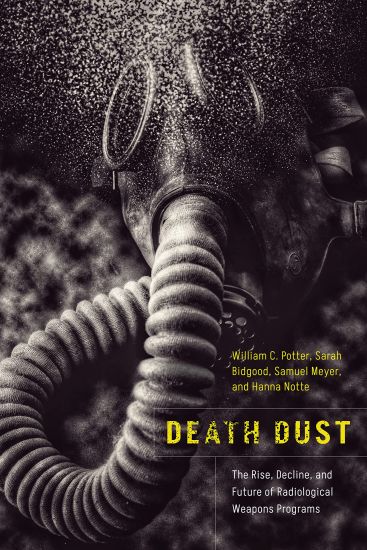
Death Dust

Death Dust

William C. Potter; Sarah Bidgood; Samuel Meyer; Hanna Notte

STANFORD UNIVERSITY PRESS
2023
pokkari
The postwar period saw increased interest in the idea of relatively easy-to-manufacture but devastatingly lethal radiological munitions whose use would not discriminate between civilian and military targets. Death Dust explores the largely unknown history of the development of radiological weapons (RW)—weapons designed to disperse radioactive material without a nuclear detonation—through a series of comparative case studies across the United States, the Soviet Union, the United Kingdom, Iraq, and Egypt. The authors illuminate the historical drivers of and impediments to radiological weapons innovation. They also examine how new, dire geopolitical events—such as the war in Ukraine—could encourage other states to pursue RW and analyze the impact of the spread of such weapons on nuclear deterrence and the nonproliferation regime. Death Dust presents practical, necessary steps to reduce the likelihood of a resurgence of interest in and pursuit of radiological weapons by state actors.
Death Dust

Death Dust

William C. Potter; Sarah Bidgood; Samuel Meyer; Hanna Notte

STANFORD UNIVERSITY PRESS
2023
sidottu
The postwar period saw increased interest in the idea of relatively easy-to-manufacture but devastatingly lethal radiological munitions whose use would not discriminate between civilian and military targets. Death Dust explores the largely unknown history of the development of radiological weapons (RW)—weapons designed to disperse radioactive material without a nuclear detonation—through a series of comparative case studies across the United States, the Soviet Union, the United Kingdom, Iraq, and Egypt. The authors illuminate the historical drivers of and impediments to radiological weapons innovation. They also examine how new, dire geopolitical events—such as the war in Ukraine—could encourage other states to pursue RW and analyze the impact of the spread of such weapons on nuclear deterrence and the nonproliferation regime. Death Dust presents practical, necessary steps to reduce the likelihood of a resurgence of interest in and pursuit of radiological weapons by state actors.