Kirjojen hintavertailu – 12 859 828 kirjaa ja 27 kauppaa

Kirjailija

Sarah Glynn

Kirjat ja teokset yhdessä paikassa: 3 kirjaa, julkaisuja vuosilta 2014–2024, suosituimpiin kuuluu Climate Change is a Class Issue. Vertaile teosten hintoja ja tarkista saatavuus suomalaisista kirjakaupoista.

3 kirjaa

Kirjojen julkaisuvuodet: 2014–2024.

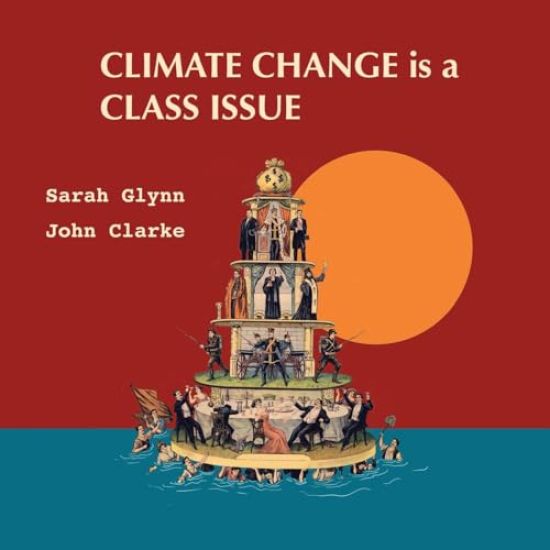
Climate Change is a Class Issue

Climate Change is a Class Issue

Sarah Glynn; John Clarke

Sarah Glynn and John Clarke
2024
pokkari
"This is a small book but its message is vital. Those who exploit the labour of others for profit also exploit the earth's precious resources for the same reason. If you campaign to save the planet, join a picket line, and vice versa. The struggle doesn't change - it is the class struggle, and this time we must win. Thank you Sarah and John." - KEN LOACHThe capitalist system, which sees everything in terms of profit, is exploiting the planet to destruction with the same ruthless logic that it exploits workers. The threat from climate change, and from capitalism's treatment of the planet as an infinite resource, is so large that our societies seem afraid to confront it; but when we understand that this threat comes from the same capitalist forces that dominate our everyday lives, the way forward becomes clear. The fight against the system that is destroying our planet, is the same as the fight against the system that is producing ever more mind-boggling inequalities. This small book is made up of three short chapters totalling around 9,000 words, and illustrated with quotes from a range of writers. It is addressed, primarilly, to a working-class audience because most books on climate change ignore working-class concerns; because the working class will be affected first and worst, despite being least responsible; and because the people most responsible for climate change are too vested in the current system to countenance significant disruption, while the combined power of the working class is the force that can bring the world to its senses.

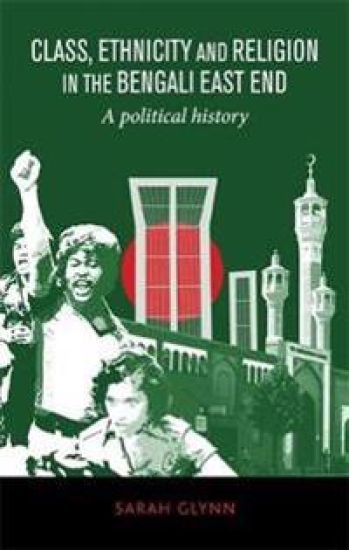
Class, Ethnicity and Religion in the Bengali East End

Class, Ethnicity and Religion in the Bengali East End

Sarah Glynn

Manchester University Press
2017
nidottu
This exploration of one of the most concentrated immigrant communities in Britain combines a fascinating narrative history, an original theoretical analysis of the evolving relationship between progressive left politics and ethnic minorities, and an incisive critique of political multiculturalism. It recounts and analyses the experiences of many of those who took part in over six decades of political history that range over secular nationalism, trade unionism, black radicalism, mainstream local politics, Islamism and the rise and fall of the Respect Coalition. Through this Bengali case study and examples from wider immigrant politics, it traces the development and adoption of the concepts of popular frontism, revolutionary stages theory and identity politics. It demonstrates how these theories and tactics have cut across class-based organisation and acted as an impediment to addressing socio-economic inequality; and it argues for a left materialist alternative.
Class, Ethnicity and Religion in the Bengali East End

Class, Ethnicity and Religion in the Bengali East End

Sarah Glynn

Manchester University Press
2014
sidottu
This exploration of one of the most concentrated immigrant communities in Britain combines a fascinating narrative history, an original theoretical analysis of the evolving relationship between progressive left politics and ethnic minorities, and an incisive critique of political multiculturalism. It recounts and analyses the experiences of many of those who took part in over six decades of political history that range over secular nationalism, trade unionism, black radicalism, mainstream local politics, Islamism and the rise and fall of the Respect Coalition. Through this Bengali case study and examples from wider immigrant politics, it traces the development and adoption of the concepts of popular frontism, revolutionary stages theory and identity politics. It demonstrates how these theories and tactics have cut across class-based organisation and acted as an impediment to addressing socio-economic inequality; and it argues for a left materialist alternative. It will appeal equally to sociologists, political activists and local historians.